Halasana: How to Do Plough Pose Safely
Yoga poses 4 illustrations Updated 2 Nov 2026
Halasana, or plough pose, is an inversion done from lying on the back: the hips lift over the shoulders and the straight legs reach over the head until the toes touch the floor or a support behind you. Hala means plough, and the shape resembles the traditional plough used in Indian fields. It usually follows shoulder stand in a classical sequence.
Because it places the neck in strong flexion, halasana must be done with care. This page covers the setup that protects the neck, a chair supported version, the steps, benefits and the clear list of people who should not do it.
- Sanskrit
- Halasana (hala: plough)
- English
- Plough pose, plow pose
- Level
- Intermediate
- Hold
- 5 to 10 breaths
- Key prop
- Folded blankets under the shoulders
- Never if
- Neck injury, high BP, glaucoma, pregnancy
How to do halasana step by step
- Fold two blankets into a firm stack and place them under the shoulders, with the head off the blankets on the mat.
- Lie down with arms by the sides, palms down.
- Bend the knees, press the arms down and roll the hips up over the shoulders.
- Palms can cradle the back ribs for extra support.
- Straighten the legs and lower the toes to the floor or a chair behind you.
- Keep the head still and breathe slowly for 5 to 10 breaths.
- Come down slowly: bend the knees, roll down vertebra by vertebra, head on the floor throughout.
Halasana (plough) in pictures

- Level
- Intermediate
- Hold
- 5 to 10 breaths
- Works on
- Spine, hamstrings
With folded blankets under the shoulders and the head on the mat, the neck keeps its natural curve.
Teacher's cue: Never turn the head once you are up.
- Level
- Beginner plus
- Hold
- 5 breaths
- Works on
- Back, shoulders
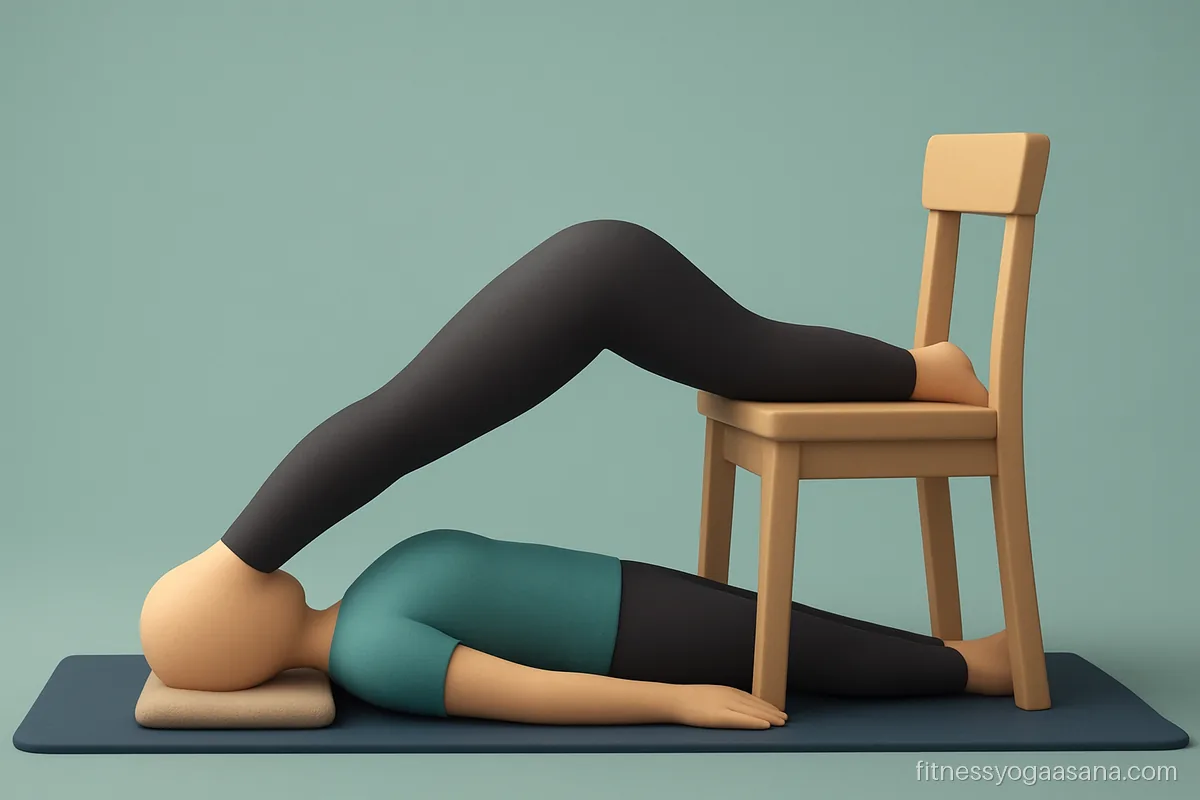
If the toes do not reach the floor, rest them on a chair seat. The back stays long and the neck is spared.
Teacher's cue: Place the chair before you go up so you are not reaching for it.
- Level
- Intermediate
- Hold
- Entry
- Works on
- Control
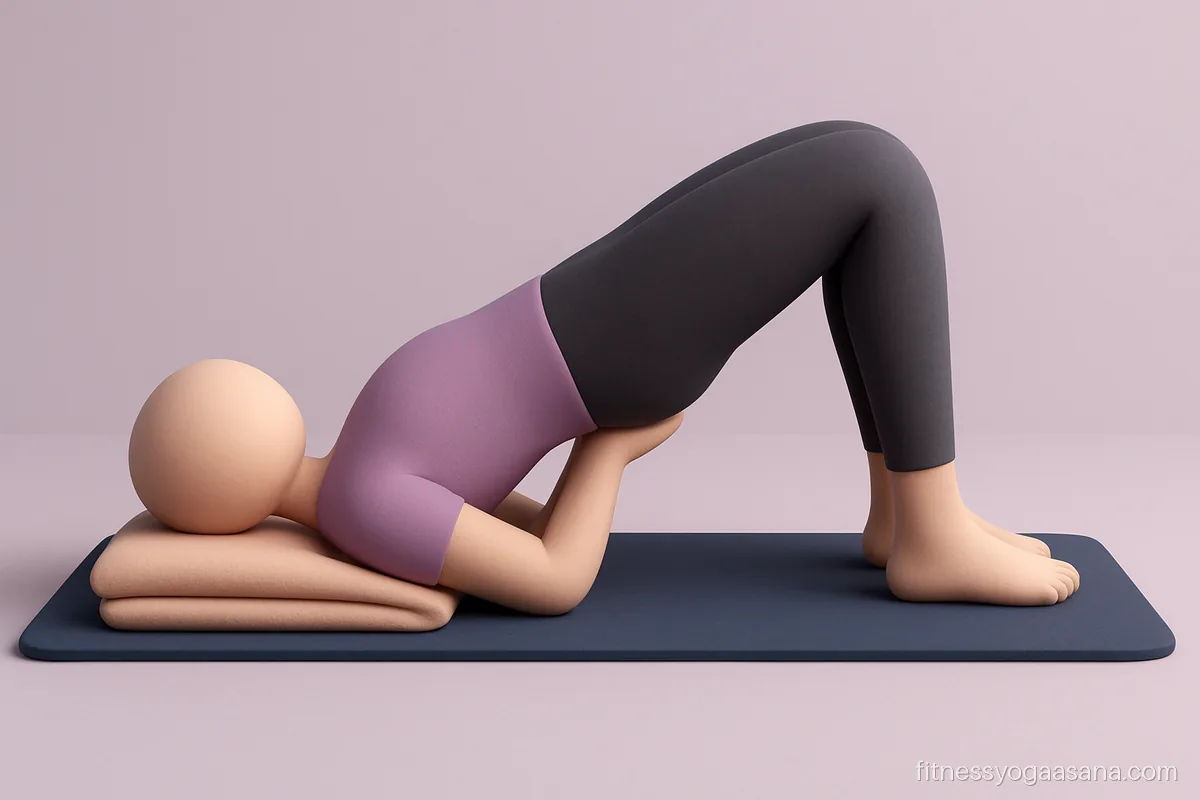
Enter slowly: roll the legs over with the knees bent and the hands supporting the back.
Teacher's cue: Move slowly and stop if the neck feels any pressure.
- Level
- Beginner plus
- Hold
- 5 breaths
- Works on
- Chest, neck
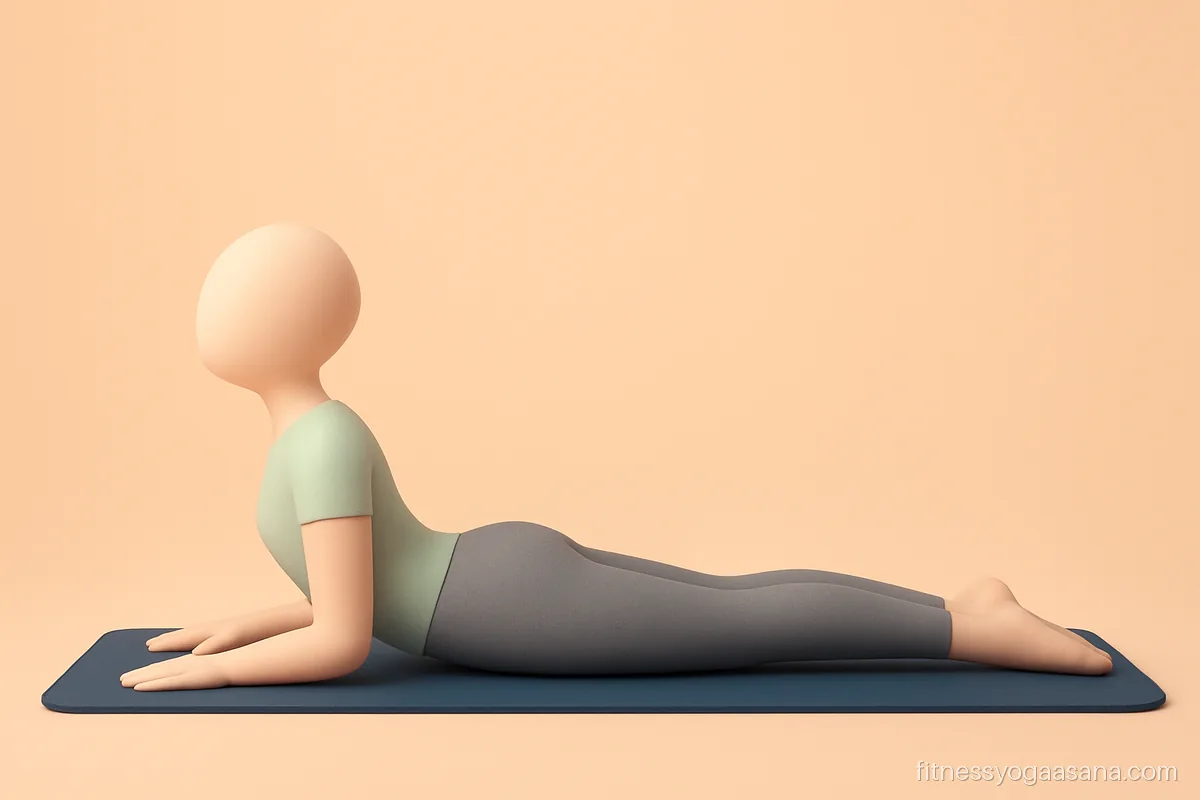
Follow plough with fish pose to gently reverse the neck and upper back.
Teacher's cue: Lift the chest and keep most weight on the forearms.
Halasana yoga names
Plough is written halasana yoga, hal asana or halasana yoga pose in Sanskrit based charts; in English, plough pose yoga or plow pose yoga, and charts sometimes say halasana plow pose yoga. It is part of the classical finishing sequence after sarvangasana.
Protecting the neck
The blankets matter. Without them, the full body weight can press the neck flat against the floor. With them, the shoulders take the weight and the neck keeps a small natural curve. Never turn the head to look around in the pose, and never let anyone push you deeper. Any sense of pressure behind the eyes, in the head or along the neck is your signal to roll down.
Benefits of halasana
- Stretches the whole back of the body: back, hamstrings and calves.
- Stretches the shoulders and upper back.
- A traditional calming pose near the end of practice.
- Prepares for deeper forward bends.
Claims that halasana stimulates the thyroid are traditional; the evidence is weak. See yoga for thyroid for a realistic view.
Who should not do plough pose
Avoid halasana with neck injuries or neck pain, high blood pressure, heart disease, glaucoma or retinal problems, during pregnancy, during periods if you prefer to avoid inversions, with a hernia, and if you are significantly overweight. Learn it with a teacher first. A gentler alternative is legs up the wall.
Counter poses
After plough, lie flat for a few breaths, then practise fish pose or a gentle cobra to reverse the neck and upper back. Finish with shavasana.
Practise on an empty stomach, move slowly into each position and stop at any sharp pain. If you have an injury, a health condition or are pregnant, check with a doctor or an experienced teacher first.
Questions people ask
What is halasana in English?
Plough pose, or plow pose in American English.
Why use blankets in halasana?
They lift the shoulders so the neck keeps its natural curve instead of being flattened.
What if my feet do not touch the floor?
Rest them on a chair seat. Never force the legs down.
Is halasana safe for beginners?
Only with good preparation and ideally a teacher. Start with legs up the wall and supported versions.
What should I do after halasana?
Lie flat, then practise fish pose or cobra as a counter, and finish in shavasana.
Practise next
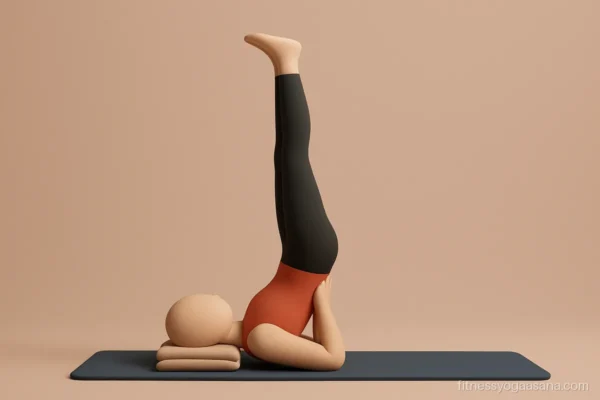 Sarvangasana (shoulder stand)The shoulder stand, with a blanket setup that protects the neck
 Matsyasana (fish)Fish pose: an open chest, lifted ribs, and a lightly supported head
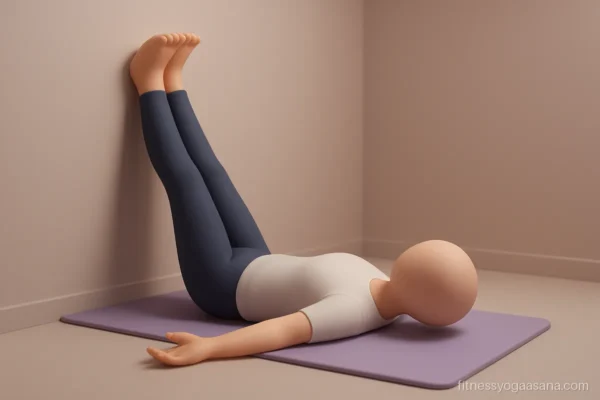 Viparita karani (legs up the wall)Lying with the legs resting up a wall: the easiest restful inversion
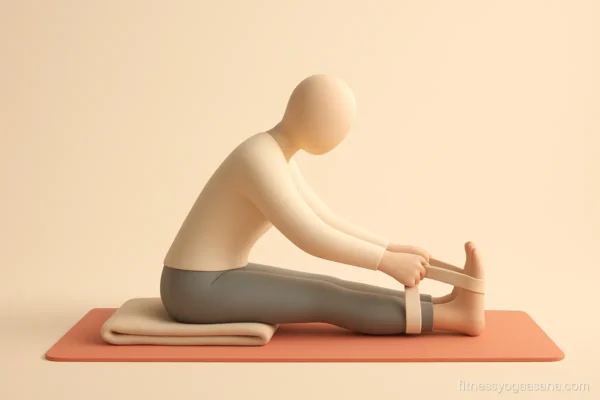 Paschimottanasana (seated forward bend)Legs long, folding forward from the hips over the thighs
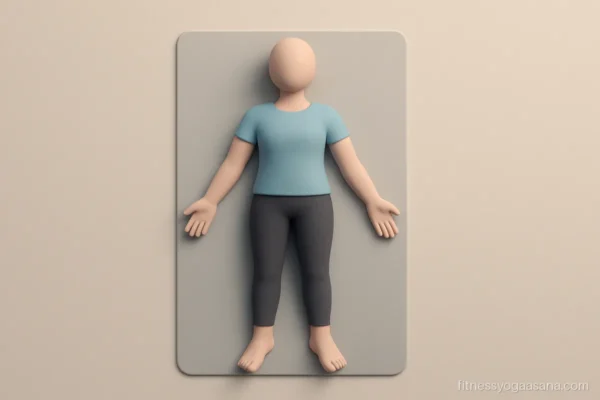 Shavasana (corpse)Corpse pose: complete stillness at the end of practice
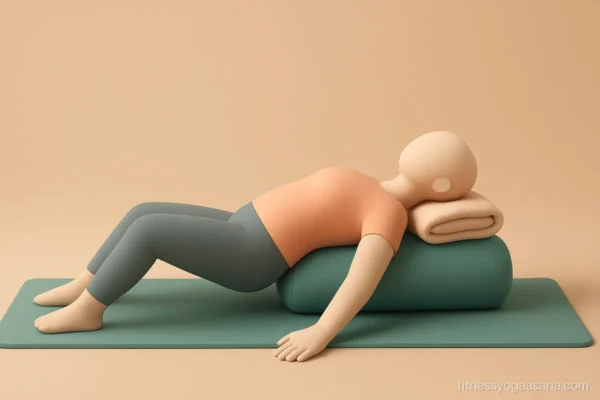 Yoga for thyroidA gentle routine and the facts about yoga and thyroid health
More in yoga poses
 Yoga asanas namesSanskrit and English names of common yoga poses, with pictures
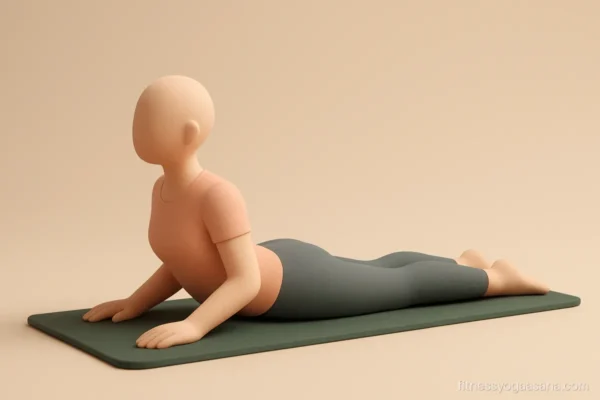 Bhujangasana (cobra)Cobra pose: a gentle back bend lying on the belly
 Standing yoga posesThe main standing asanas with names, pictures and a sequence
 Cat cow poseA flowing spine warm up on hands and knees, linked to the breath
 Balasana (child)Child pose: a kneeling forward rest for the back and mind
 Sitting yoga posesSeated asanas for breathing, flexibility and calm, with names
 Butterfly poseSoles together, knees wide: a seated hip opener
 Tadasana (mountain)Mountain pose: the standing base for every other asana