Yoga for Beginners: Easy Poses and a Simple Home Plan
Yoga basics 3 illustrations Updated 2 Nov 2026
Yoga for beginners should feel easy enough that you want to come back tomorrow. The best start is a short daily practice of simple yoga poses, done slowly with calm breathing, rather than a long, tiring session once a week.
This guide covers what you need, the ground rules teachers give every new student, ten basic yoga asanas with names, and a two week plan you can follow at home. When you are ready for more, move on to surya namaskar and the standing poses.
- Time needed
- 15 to 20 minutes a day
- Equipment
- Mat, folded blanket, a wall or chair
- Best time
- Morning before breakfast
- First poses
- Tadasana, cat cow, child pose, cobra, bridge
- Breath
- Through the nose, slow and steady
- Progress
- Add one new pose every few days
How to do yoga for beginners: the ground rules
- Empty stomach: wait 2 to 3 hours after a meal.
- Nose breathing: if you need to open your mouth to breathe, ease off.
- Comfort over shape: a stretch can be strong, but never sharp or burning.
- Both sides: repeat one sided poses on the other side for the same time.
- Finish lying down: always end with a few minutes of rest.
These rules matter more than any single pose. Follow them and almost every beginner routine stays safe.
Yoga for beginners in pictures

- Level
- Beginner
- Hold
- 6 slow rounds
- Works on
- Spine
Cat cow is the friendliest first movement for stiff backs. It wakes up the spine without any balance or strength demands.
Teacher's cue: Breathe in as the belly drops, breathe out as the back rounds up.
- Level
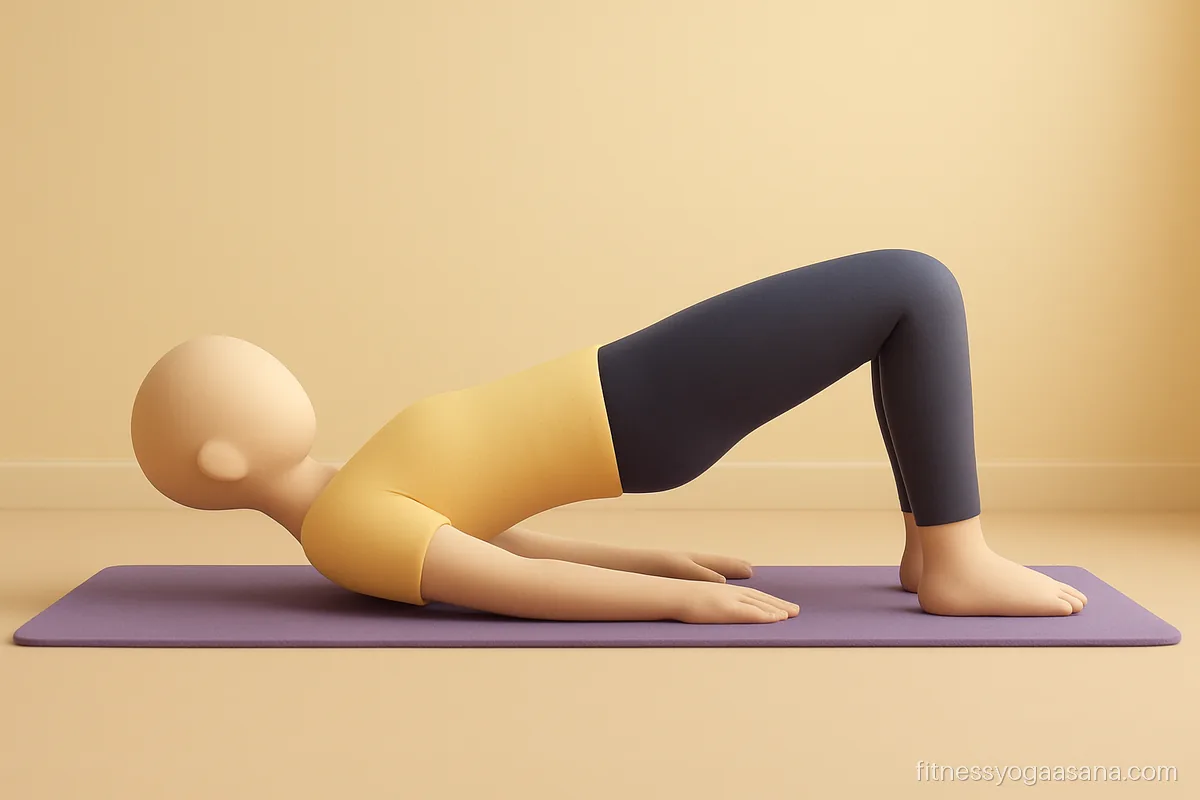
- Beginner
- Hold
- 3 breaths, 3 times
- Works on
- Glutes, back
A small lift is enough at first. Bridge pose strengthens the hips and eases the hips and chest open.
Teacher's cue: Lift the hips only until the knees, hips and shoulders make a gentle slope.
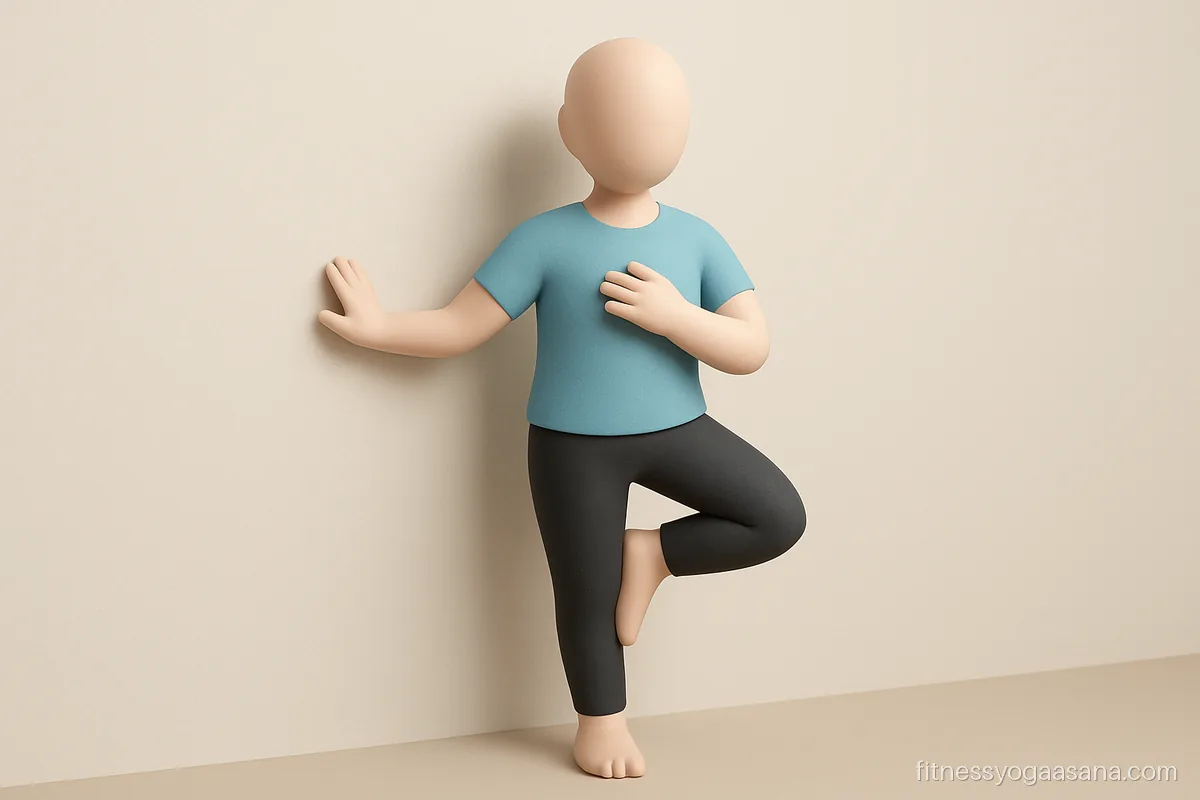
- Level
- Beginner
- Hold
- 5 breaths each side
- Works on
- Balance
Use a wall for balance poses until you feel steady. The foot can rest on the ankle or calf rather than the thigh.
Teacher's cue: Touch the wall lightly, like a fingertip on a table, not a grip.
10 easy yoga poses for beginners with names
- Tadasana, mountain pose: stand tall for 5 breaths.
- Vrikshasana, tree pose: balance near a wall.
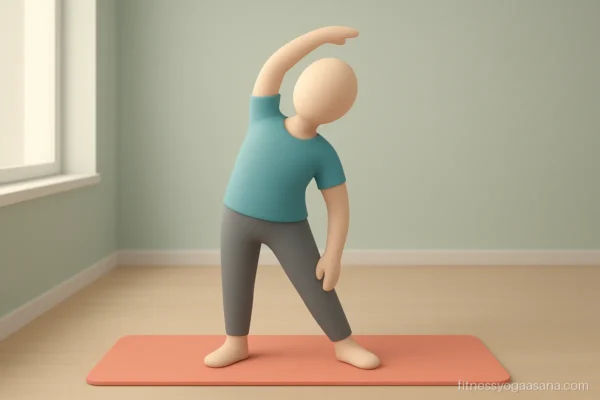
- Trikonasana, triangle pose: a gentle side stretch.
- Cat cow: six rounds to mobilise the spine.
- Balasana, child pose: rest whenever needed.
- Bhujangasana, low cobra: a gentle back bend.
- Setu bandhasana, bridge pose.
- Butterfly pose: opens the hips while seated.
- Pawanmuktasana: knees to chest to release the back.
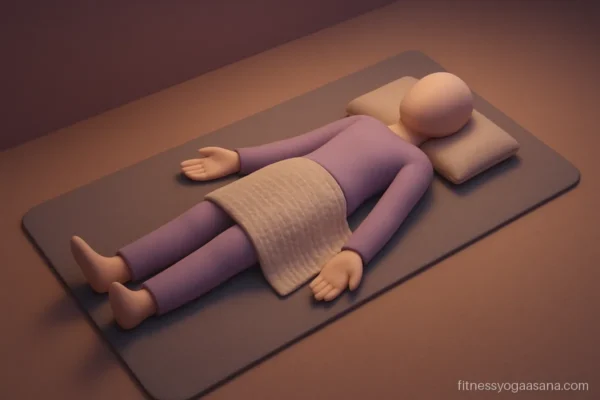
- Shavasana: five minutes of rest to finish.
These simple yoga asanas cover every main movement of the spine. You can see more names on the yoga asanas names page.
A two week yoga plan for beginners
| Days | Practice | Time |
|---|---|---|
| 1 to 3 | Belly breathing, cat cow, child pose, bridge, shavasana | 12 minutes |
| 4 to 6 | Add tadasana, tree pose and low cobra | 15 minutes |
| 7 | Rest or a slow walk | |
| 8 to 10 | Add triangle and butterfly, plus 5 minutes of anulom vilom | 20 minutes |
| 11 to 13 | Add a pair of unhurried sun salutations | 25 minutes |
| 14 | Repeat your favourite session and notice what changed | 20 minutes |
5 yoga asanas for a busy morning
On days when 20 minutes feels impossible, these five easy yoga asanas take about seven minutes and still move the spine in every direction:
- Cat cow, six rounds, to loosen the back.
- Downward facing mountain shape from all fours, five breaths, for the shoulders and calves.
- Low lunge on each side, three breaths, for the hips.
- Standing forward bend with soft knees, five breaths.
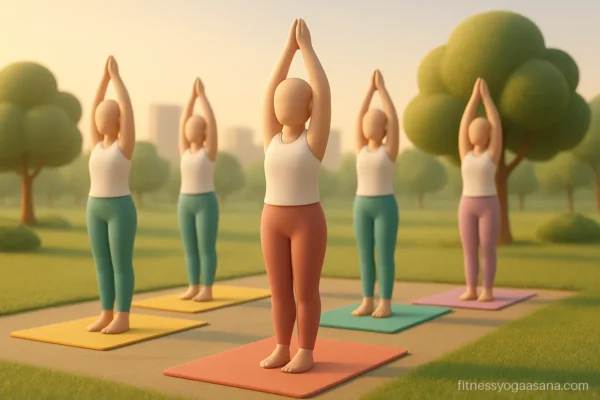
- Mountain pose with three slow breaths and arms overhead.
Keep this short list on your phone. Doing a little on a busy day protects the habit, and the habit is what brings results. The 10 yoga asanas with names above can then fill a longer session at the weekend.
What you need to start yoga at home
A non slip mat, comfortable clothes and a quiet spot are enough. Helpful extras are a folded blanket for under the knees or hips, a firm cushion for seated breathing, a sturdy chair for support, and a belt or a scarf for reaching the feet. Practise barefoot on the mat for grip. Keep a glass of water nearby, but sip it after the session, not during.
Yoga tips beginners wish they had known
- Consistency beats intensity: 15 minutes daily does more than an hour on Sunday.
- Your body changes day to day; a pose that felt easy yesterday may feel stiff today.
- Bent knees are not cheating, especially in forward bends.
- Compare yourself only with yourself from last week.
- Learn the Sanskrit names slowly; they make classes and videos easier to follow.
- A few in person classes help you catch mistakes you cannot see.
Who should check with a doctor first
Most healthy adults can start gentle yoga on their own. Talk to your doctor before you begin if you are pregnant, have high blood pressure or heart disease, have had surgery recently, have back or joint problems, or have any condition that makes you dizzy. Ask which movements to avoid, then choose the gentler options in each pose.
Practise on an empty stomach, move slowly into each position and stop at any sharp pain. If you have an injury, a health condition or are pregnant, check with a doctor or an experienced teacher first.
Questions people ask
Can I learn yoga at home as a beginner?
Yes. Many people start at home with simple poses and good instructions. Add a few classes with a teacher when you can, to check your alignment.
How long should a beginner do yoga each day?
15 to 20 minutes is a good start. Increase to 30 minutes after a few weeks if you enjoy it.
Which yoga is best for beginners?
Gentle hatha yoga, with simple poses held for a few breaths, is the best start. Fast flowing styles can wait a month or two.
How soon will I see results from yoga?
Many people sleep better and feel less stiff within two to three weeks. Strength and flexibility changes usually show after six to eight weeks.
Should beginners do surya namaskar?
Yes, slowly. Learn each of the 12 positions first, then do two or three rounds with rest between them.
Practise next
 Yoga asanas namesSanskrit and English names of common yoga poses, with pictures
 Surya namaskar stepsAll 12 positions of the sun salutation, with breath and pictures
 Morning yogaA short wake up routine, best morning poses and habit tips
 Yoga for flexibilityTen stretching poses and a routine to loosen a stiff body
 PranayamaWhat pranayama is, how to start and every breathing practice
 Tadasana (mountain)Mountain pose: the standing base for every other asana
More in yoga basics
 What is yogaThe meaning of yoga, its definition and the parts of a practice
 International yoga dayWhy yoga day is on 21 June, how it started and how to join in
 Benefits of yogaWhat regular yoga practice may do for body and mind, and how soon
 8 limbs of yogaPatanjali's eightfold path from ethics to deep meditation
 Cleaning a yoga matQuick wipe, deep clean and drying tips for every mat type
 Yoga nidraYogic sleep: a guided lying down practice for deep rest
 Father of yogaWhy Patanjali is called the father of yoga, and other answers
 Yoga meditationHow yoga and meditation fit together, with a starter practice