The Yoga Sutras of Patanjali, Explained Simply
Yoga basics 3 illustrations Updated 2 Nov 2026
The Yoga Sutras are a short classical text of 196 terse statements, or sutras, compiled by Patanjali, that lay out the philosophy and practice of yoga. They define what yoga is, explain why the mind gets disturbed, and give a step by step path, the eight limbs, toward a steady and free mind. Most yoga teacher courses in India and abroad include them.
Below is a plain language summary of the four chapters, the definition of yoga by Patanjali, a few key sutras paraphrased in English, and tips for reading the text yourself.
- Compiler
- Patanjali
- Length
- 196 sutras (some editions 195)
- Chapters
- 4 padas
- Core teaching
- Yoga is stilling the movements of the mind
- Practice path
- Eight limbs, ashtanga
- Also called
- Yoga darshan, Patanjali yoga sutra
The four chapters of the Yoga Sutras
| Chapter | Sutras | Theme |
|---|---|---|
| Samadhi pada | 51 | What yoga is, the states of the mind, absorption |
| Sadhana pada | 55 | Practice, the causes of suffering, the first five limbs |
| Vibhuti pada | 56 | Concentration, meditation, absorption and their effects |
| Kaivalya pada | 34 | Liberation and the nature of the mind |
Yoga sutras in pictures

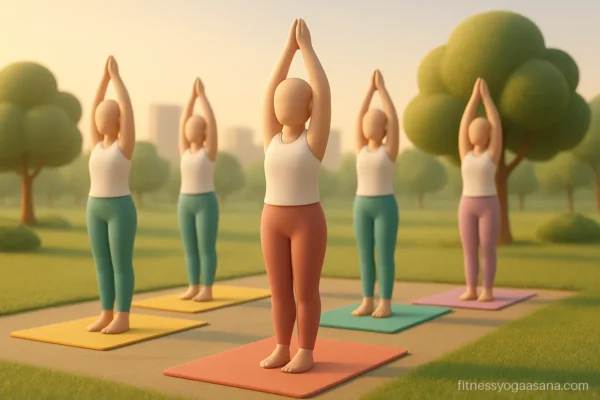
- Level
- All levels
- Hold
- One sutra a day
- Works on
- Study
Read slowly. Each sutra is only a few words long and was meant to be explained by a teacher.
Teacher's cue: Read one line, then sit with it for a minute before moving on.

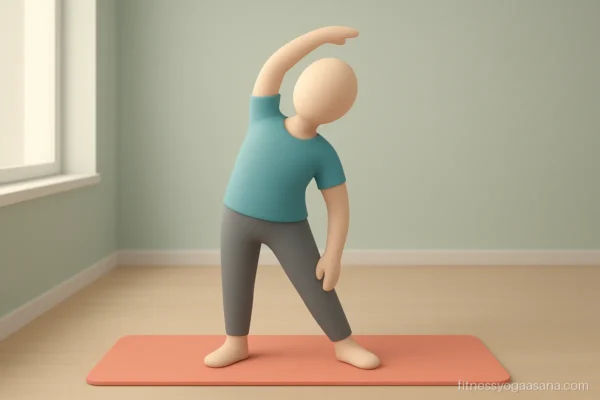
- Level
- All levels
- Hold
- Reflection
- Works on
- Stillness
Commentaries compare the mind to a lake: when its waves settle, you can see clearly to the bottom.
Teacher's cue: Notice the gaps between thoughts, however short.
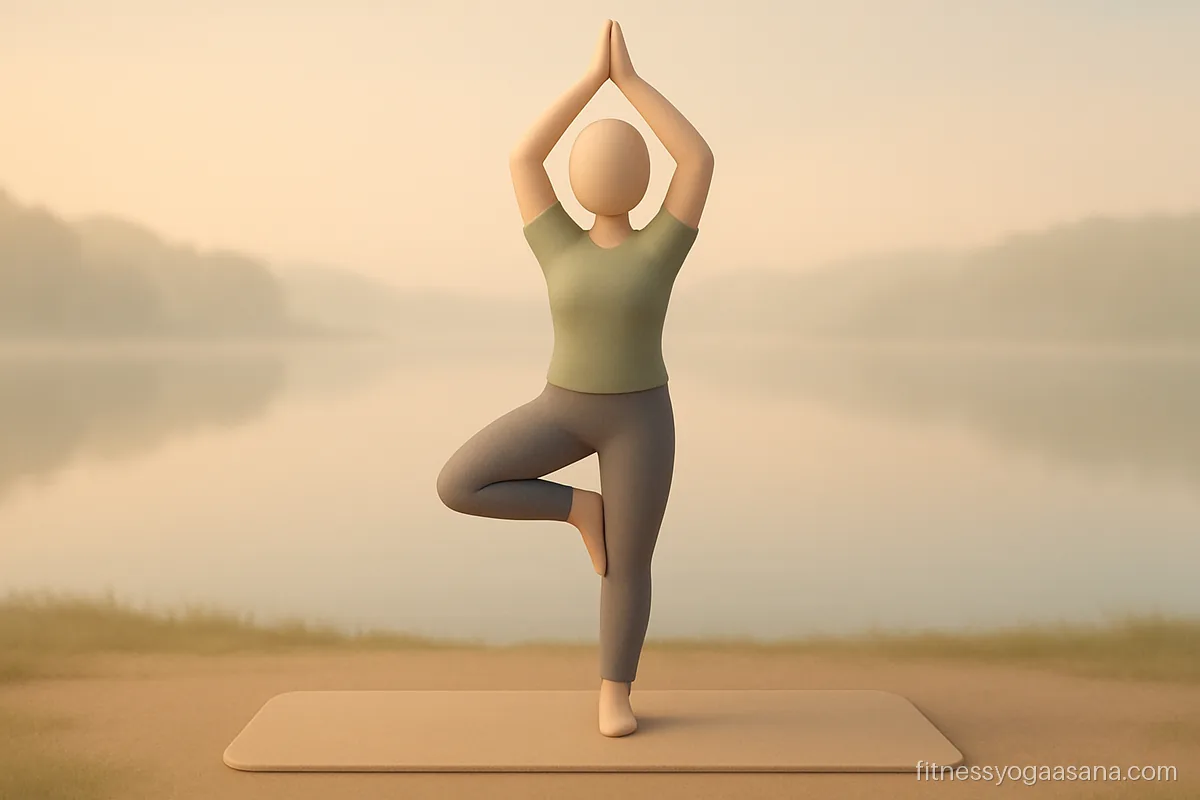
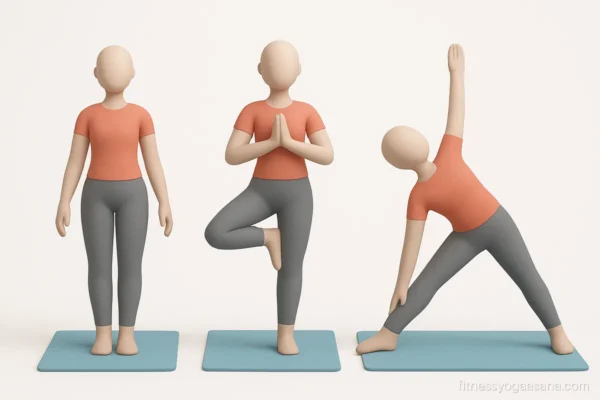
- Level
- Beginner
- Hold
- 5 breaths
- Works on
- Effort and ease
Two pillars of the Sutras are abhyasa, steady practice, and vairagya, letting go. Balance poses teach both.
Teacher's cue: Make the effort steady and the attitude relaxed.
Definition of yoga by Patanjali
The second sutra gives the famous definition: yoga means bringing the mind’s constant churning to rest. The next sutra says that then the seer rests in its own nature. In plain words: when the restless activity of thought calms down, you experience yourself clearly, without the colouring of passing moods. Every practice in the text serves that aim.
Key yoga sutras paraphrased
- On practice and letting go: the mind is steadied by consistent practice over a long time and by gradually loosening attachment.
- On obstacles: illness, doubt, carelessness, laziness and distraction are named as common obstacles, and steady attention on one point helps overcome them.
- On attitudes: meet the happy with friendliness, the suffering with compassion, the good with gladness and the harmful with equanimity.
- On posture: the seat should be steady and comfortable.
- On causes of suffering: ignorance, ego, attachment, aversion and fear of loss.
These are our own paraphrases; translations differ, and reading two or three versions side by side is helpful.
Patanjali yoga sutras list of practices
The Patanjali yoga sutras list of practices is best known as the eight limbs: ethical rules, personal disciplines, posture, breath, sense withdrawal, concentration, meditation and absorption, each explained on the eight limbs guide. The second chapter also teaches kriya yoga, the yoga of action, made of discipline, self study and surrender; see kriya yoga.
How to read the Yoga Sutras
- Choose a translation with a clear commentary.
- Read one sutra a day, slowly.
- Ask how it applies to your life and practice.
- Discuss it with a teacher or study group if you can.
Old manuscripts were preserved with commentaries, and the same habit of reading with explanation still works best. Yoga darshan, a common Hindi name, refers to this text as one of India's six classical schools of philosophy.
Patanjali yoga sutras manuscript copies survive in many Indian libraries, usually with commentaries written around the original verses.
Why the Sutras still matter
The Yoga Sutras say almost nothing about specific poses, yet they explain why we practise. A home routine of asanas, breathing and meditation gains depth when you understand the aim behind it.
Practise on an empty stomach, move slowly into each position and stop at any sharp pain. If you have an injury, a health condition or are pregnant, check with a doctor or an experienced teacher first.
Questions people ask
How many yoga sutras are there?
196 in most editions, divided into four chapters. Some editions count 195.
Who wrote the Yoga Sutras?
They are attributed to Patanjali, who compiled earlier teachings into this concise form.
What is the first yoga sutra?
It announces the subject: now begins the teaching of yoga. The definition follows in the second sutra.
Do the Yoga Sutras describe yoga poses?
Barely. Asana is described as a steady, comfortable seat. Detailed poses come from later hatha yoga texts.
What is yoga darshan?
A Hindi name for the yoga school of Indian philosophy, based on Patanjali's Yoga Sutras.
Practise next
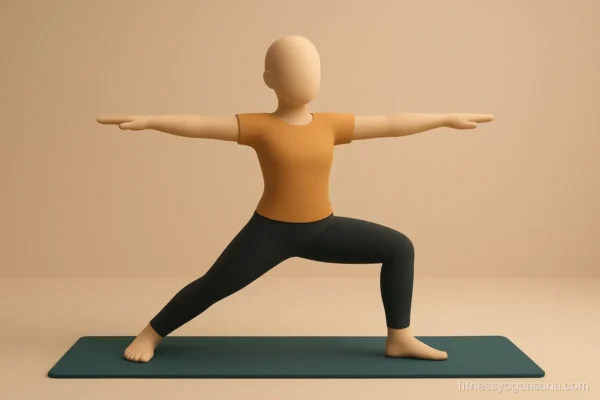 8 limbs of yogaPatanjali's eightfold path from ethics to deep meditation
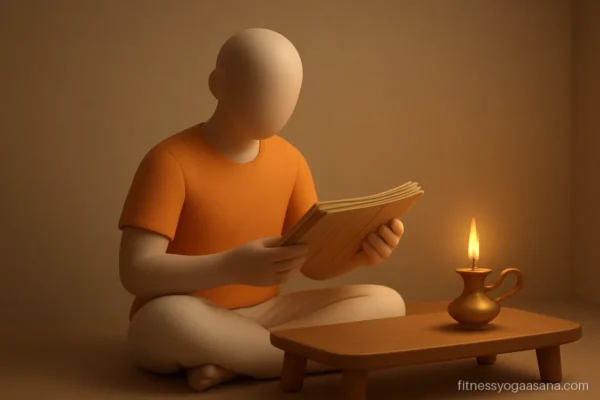 Father of yogaWhy Patanjali is called the father of yoga, and other answers
 History of yogaWhere yoga began and how it changed over the centuries
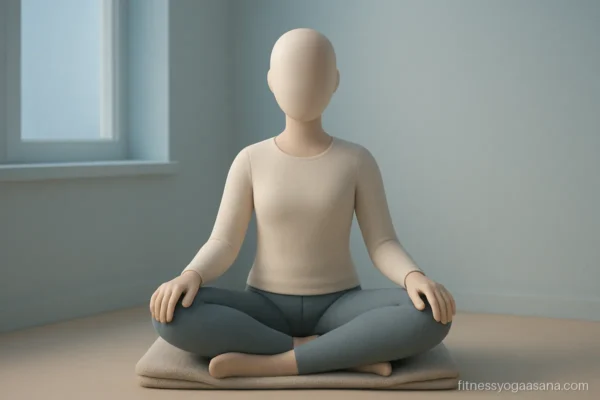 What is yogaThe meaning of yoga, its definition and the parts of a practice
 Hatha yoga pradipikaThe medieval handbook of postures, breath, seals and meditation
More in yoga basics
 International yoga dayWhy yoga day is on 21 June, how it started and how to join in
 Yoga for beginnersTen easy poses, basic rules and a two week plan for new students
 Benefits of yogaWhat regular yoga practice may do for body and mind, and how soon
 Cleaning a yoga matQuick wipe, deep clean and drying tips for every mat type
 Yoga nidraYogic sleep: a guided lying down practice for deep rest
 Yoga meditationHow yoga and meditation fit together, with a starter practice
 Yoga chartA chart of common poses by type, plus school chart tips
 Yoga mantraOm, peace chants and closing prayers with meanings