Hatha Yoga Pradipika: The Classic Manual in Plain Words
Yoga basics 3 illustrations Updated 2 Nov 2026
The Hatha Yoga Pradipika is one of the most important classical manuals of hatha yoga. Its title means a small lamp on hatha yoga, and it was compiled by a teacher named Svatmarama, most likely in the fifteenth century. It gathers earlier teachings into a practical handbook covering postures, cleansing practices, breath control, energy seals and meditation.
This page gives a plain overview of the Hatha Yoga Pradipika: who wrote it, what each of its four chapters covers, the key ideas behind it, how it relates to the Yoga Sutras, and how to read its advice sensibly today, since some practices it describes are extreme or risky without expert guidance.
- Title
- A small lamp on hatha yoga
- Compiler
- Svatmarama
- Period
- About the fifteenth century
- Chapters
- Four: asana, pranayama, mudra, samadhi
- Aim
- Prepare body and breath for raja yoga
- Read with
- A good translation and a teacher
The compiler and his lineage
The compiler, Svatmarama, presents himself as a teacher in a lineage of hatha yogis and names earlier masters at the start of the work. He does not claim to invent the practices; he collects and organises teachings that existed before him. Scholars place the text around the fifteenth century, and it draws on several earlier hatha works. Its clear structure made it one of the most influential sources for later yoga.
Hatha yoga pradipika in pictures
- Level
- All levels
- Hold
- Study time
- Works on
- Study
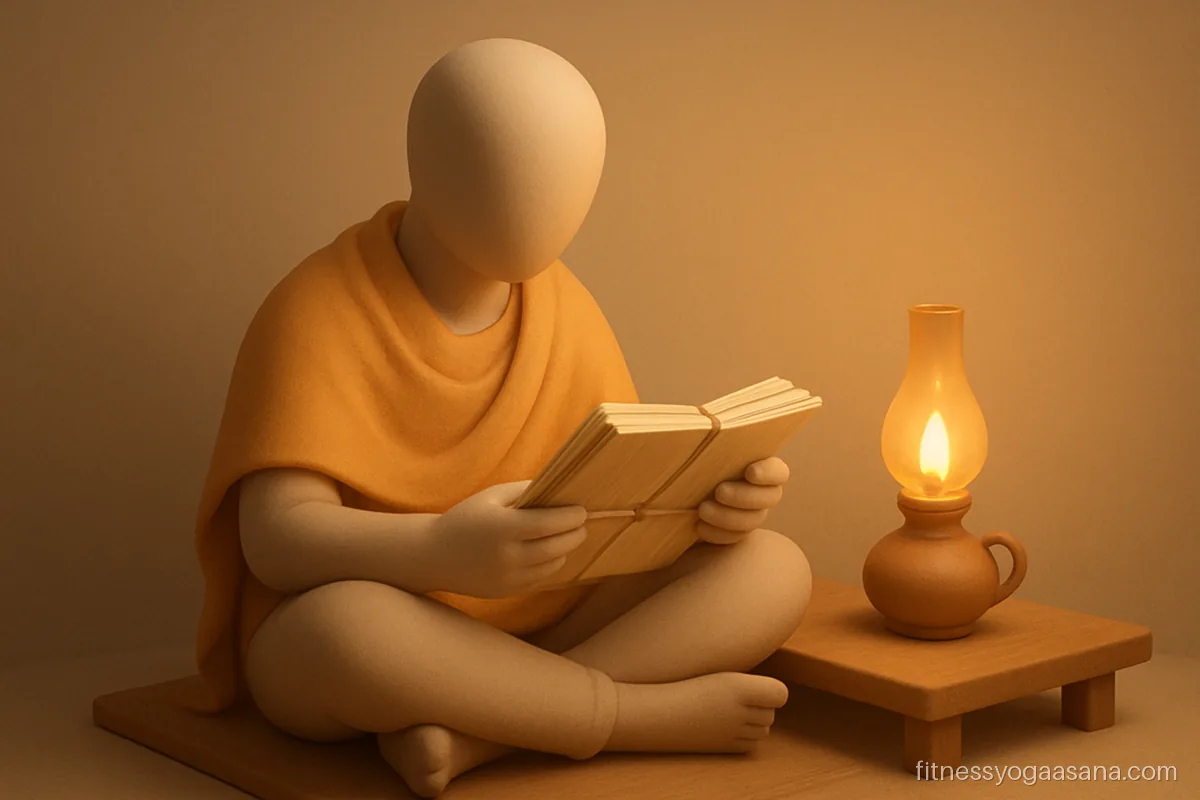
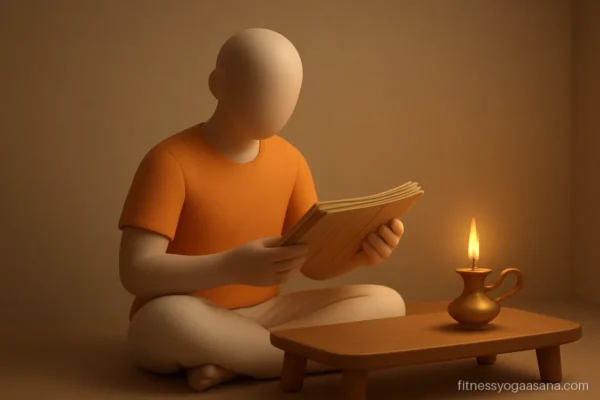
Early copies of hatha texts were handwritten on palm leaves or paper, passed between teachers and students.
Teacher's cue: Read a few verses at a time and reflect.
- Level
- Intermediate
- Hold
- 10 minutes
- Works on
- Seated stability
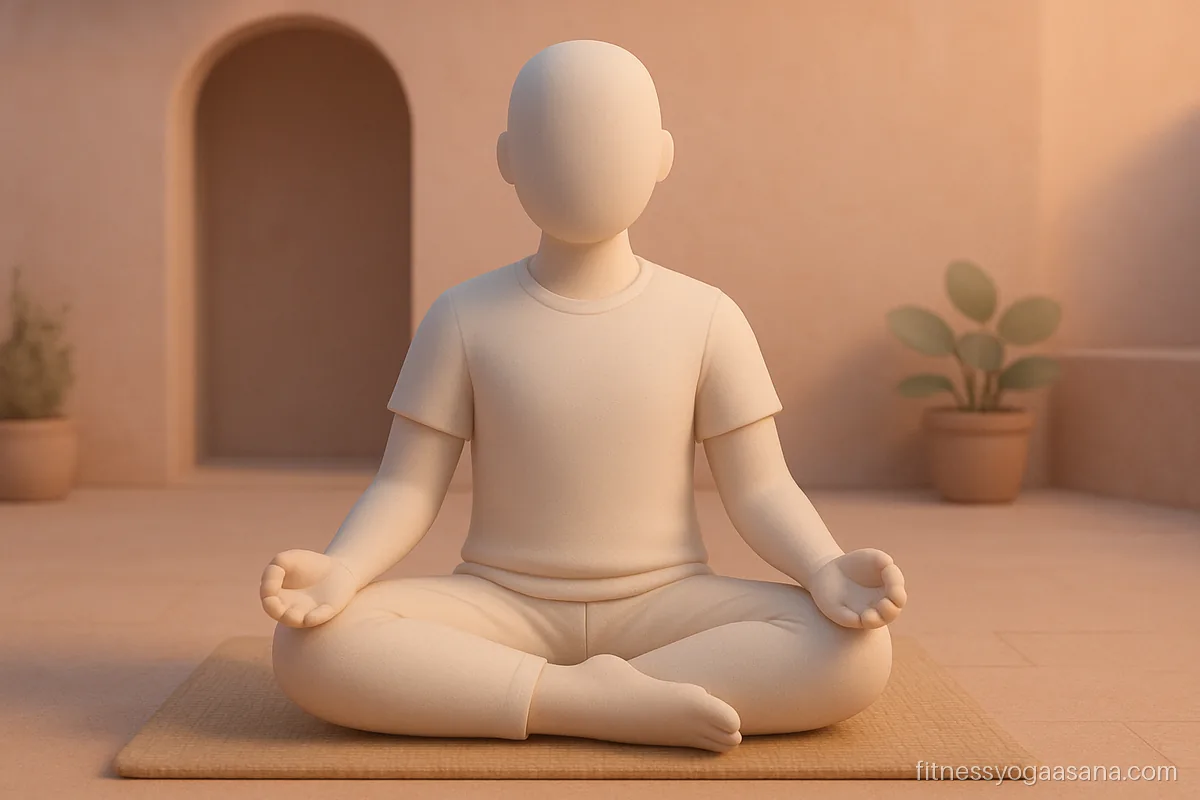
The text praises a handful of seated postures, especially lotus and siddhasana, as the base for breath work.
Teacher's cue: Only sit in lotus if the knees are comfortable.
- Level
- All levels
- Hold
- 5 to 10 minutes
- Works on
- Breath control
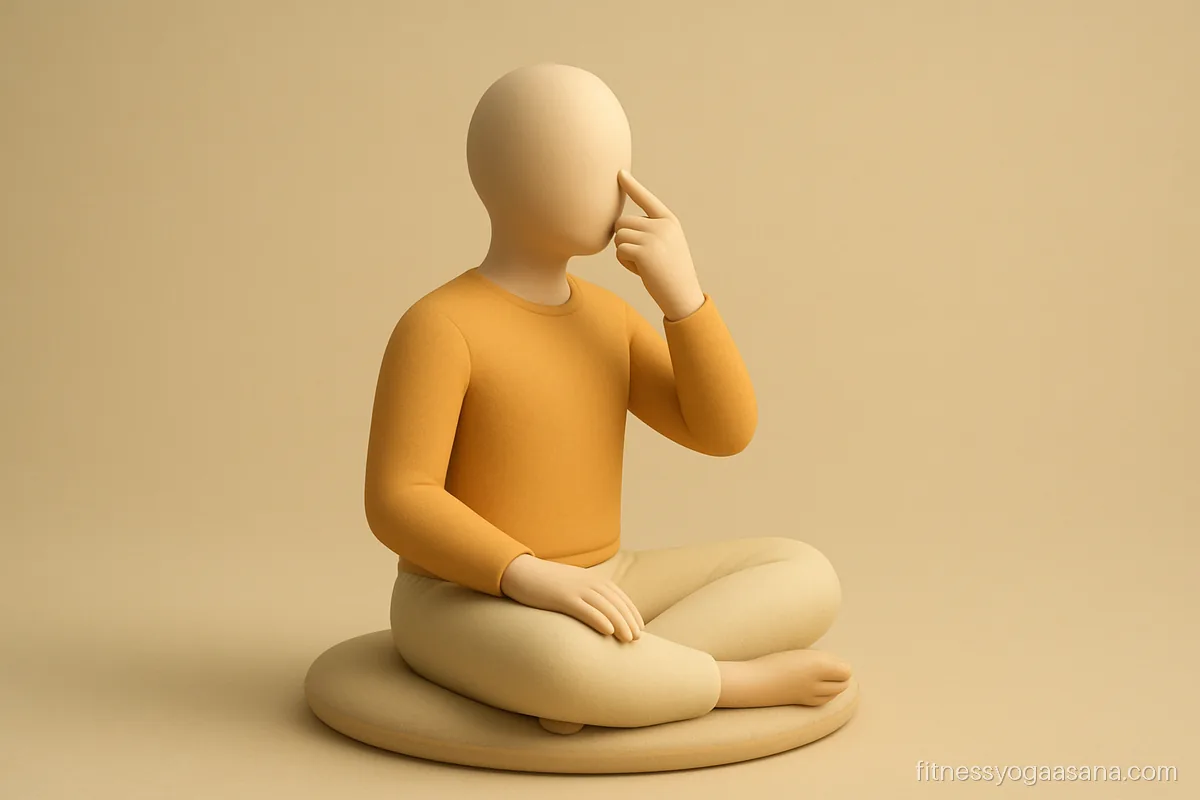
Pranayama, especially alternate nostril breathing, forms the heart of the second chapter.
Teacher's cue: Keep the breath slow and smooth, never forced.
The four chapters of the Hatha Yoga Pradipika
- Asana: about fifteen postures, mostly seated and a few others, plus advice on diet, the practice room and the qualities of a student. Siddhasana and padmasana receive the most praise.
- Pranayama and cleansing: the six cleansing practices, the shatkarmas, followed by eight kinds of breath control such as surya bhedana, ujjayi, sheetali and bhramari.
- Mudra and bandha: energy seals and locks, including the three main bandhas and khechari mudra.
- Samadhi: absorption, the inner sound, and the final aim of the practice.
Key ideas in the text
The Hatha Yoga Pradipika presents the physical method as a stairway toward raja yoga: physical and breathing practices are preparation for the meditative states described by Patanjali. It stresses moderation in food, a regular routine, a quiet place to practise, and steady effort over time. It treats prana, the life force, as the link between body and mind, which is why breath control sits at the centre of the method. You can read more on hatha yoga and the Yoga Sutras.
Practices to treat with caution
Some practices in the text, such as extreme cleansing techniques, long breath retention and certain advanced seals, can be harmful without close supervision. The text itself warns that improper pranayama can cause illness. Modern readers should not attempt these practices from a book. Gentle pranayama, simple postures and meditation are the safe core; see shatkarma and khechari mudra for more on the riskier methods.
How it differs from modern yoga
Modern posture classes contain dozens of standing poses and flowing sequences that do not appear in the Hatha Yoga Pradipika. The text has only a handful of postures and places far more weight on breath, seals and meditation. Knowing this helps you see modern yoga as a living tradition that has grown and changed, rather than an exact copy of the old manuals.
Reading it today
Choose a well regarded translation with commentary, and read slowly. Treat health claims in the text as historical, not medical advice. Try the gentle breathing practices under a teacher's guidance, like nadi shodhana or the humming bhramari. Many readers find the sections on routine, moderation and patience the most useful parts for daily life.
Practise on an empty stomach, move slowly into each position and stop at any sharp pain. If you have an injury, a health condition or are pregnant, check with a doctor or an experienced teacher first.
Questions people ask
Who compiled the Hatha Yoga Pradipika?
It was compiled by Svatmarama, a hatha yoga teacher, most likely in the fifteenth century.
How many chapters are in the Hatha Yoga Pradipika?
Four: asana, pranayama with cleansing, mudra and bandha, and samadhi.
How many asanas are in the Hatha Yoga Pradipika?
About fifteen, mostly seated postures.
What is the main message of the text?
Body and breath work prepare the ground for meditation, the goal named raja yoga.
Can I learn the practices from the book alone?
Simple postures and gentle breathing, yes. Advanced cleansing, retention and seals need an experienced teacher.
Practise next
 Hatha yogaThe classic body and breath branch of yoga, explained simply
 Yoga sutrasPatanjali's 196 sutras: definition, chapters and key ideas
 ShatkarmaNeti, dhauti, basti, nauli, trataka and kapalbhati explained
 Khechari mudraTongue rolled back to the palate: the safe basic form only
 History of yogaWhere yoga began and how it changed over the centuries
 Raja yogaThe classical path of concentration and meditation
More in yoga basics
 What is yogaThe meaning of yoga, its definition and the parts of a practice
 International yoga dayWhy yoga day is on 21 June, how it started and how to join in
 Yoga for beginnersTen easy poses, basic rules and a two week plan for new students
 Benefits of yogaWhat regular yoga practice may do for body and mind, and how soon
 8 limbs of yogaPatanjali's eightfold path from ethics to deep meditation
 Cleaning a yoga matQuick wipe, deep clean and drying tips for every mat type
 Yoga nidraYogic sleep: a guided lying down practice for deep rest
 Father of yogaWhy Patanjali is called the father of yoga, and other answers