Warrior Pose Yoga: Warrior 1, 2 and 3
Yoga poses 4 illustrations Updated 2 Nov 2026
Warrior pose yoga is a family of three standing poses, known in Sanskrit as virabhadrasana one, two and three. All three build strong legs and hips, open the chest and shoulders, and train steady focus. Warrior 1 faces forward with the arms overhead, warrior 2 opens sideways with the arms stretched long, and warrior 3 tips the body forward to balance on one leg.
This guide explains each warrior yoga pose step by step, the stance and knee alignment that keep them safe, easier versions for beginners, how to link them in a short flow, the benefits, and the mistakes that are easiest to fix.
- Sanskrit
- Virabhadrasana 1, 2 and 3
- English
- Warrior 1, 2, 3
- Level
- Beginner (1, 2); intermediate (3)
- Hold
- 5 breaths a side
- Works
- Legs, hips, core, shoulders, balance
- Key alignment
- Front knee over the ankle
How to do warrior 1
- From standing, step the left foot back about a leg length.
- Turn the back foot out slightly and press the heel down.
- Bend the front knee until it is over the ankle.
- Turn the pelvis to face the short edge of the mat, within comfort.
- Raise the arms overhead, shoulders relaxed.
- Stay five breaths and swap legs.
Warrior pose in pictures
- Level
- Beginner
- Hold
- 5 breaths a side
- Works on
- Legs, hip flexor
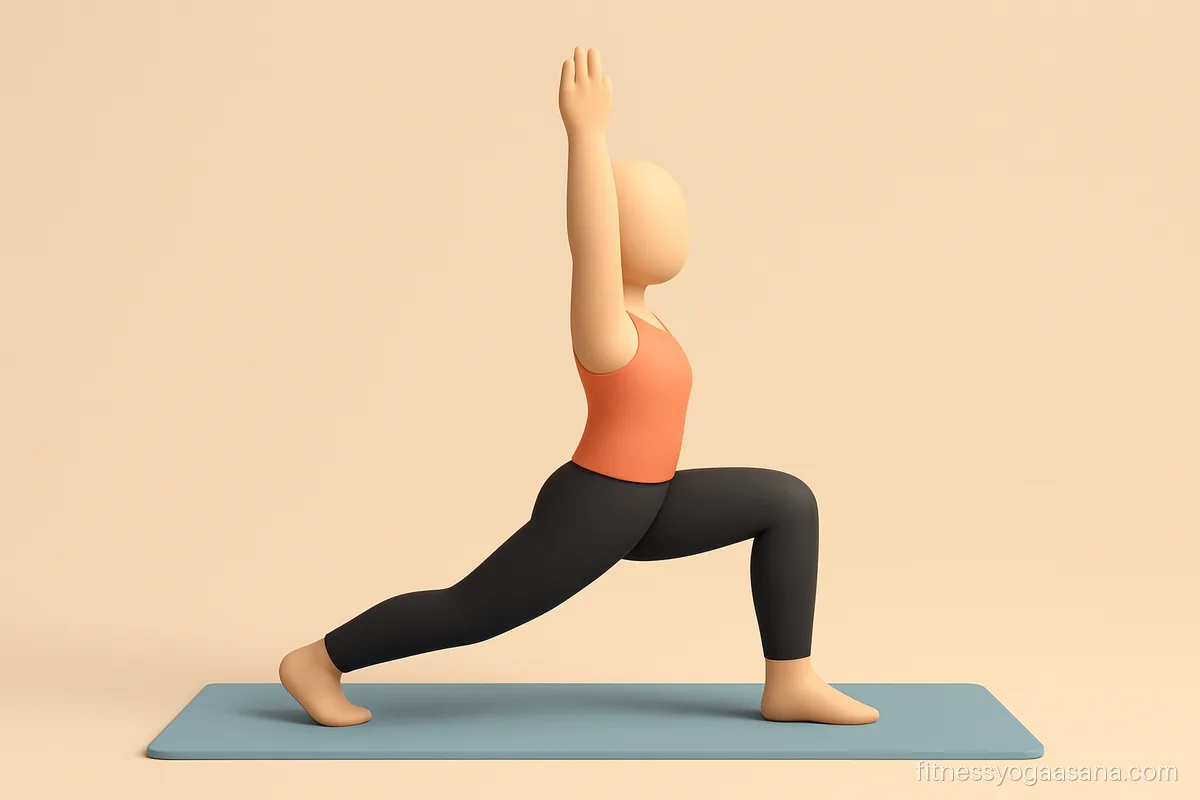
Warrior 1: hips face forward, back heel grounded, arms reaching up beside the ears.
Teacher's cue: Widen the stance sideways if the hips cannot face forward.

- Level
- Beginner
- Hold
- 5 breaths a side
- Works on
- Thighs, hips
Warrior 2: hips and chest open to the side, front knee tracking over the middle toes, gaze over the front hand.
Teacher's cue: Sink the hips while the arms keep reaching away.
- Level
- Intermediate
- Hold
- 3 to 5 breaths
- Works on
- Balance, back, glutes
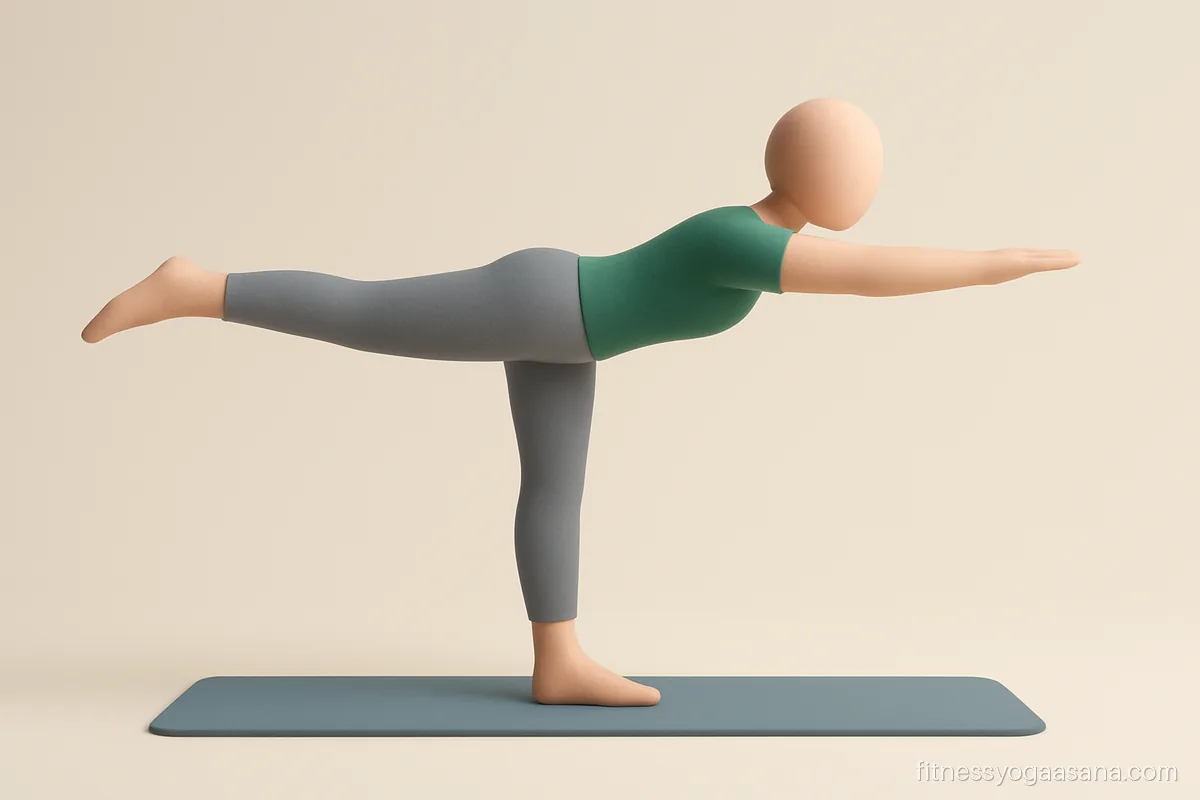
Warrior 3: the body and lifted leg form one line, parallel to the floor, like a letter T.
Teacher's cue: Reach the heel back as much as the hands reach forward.
- Level
- Beginner
- Hold
- 5 breaths a side
- Works on
- Balance practice
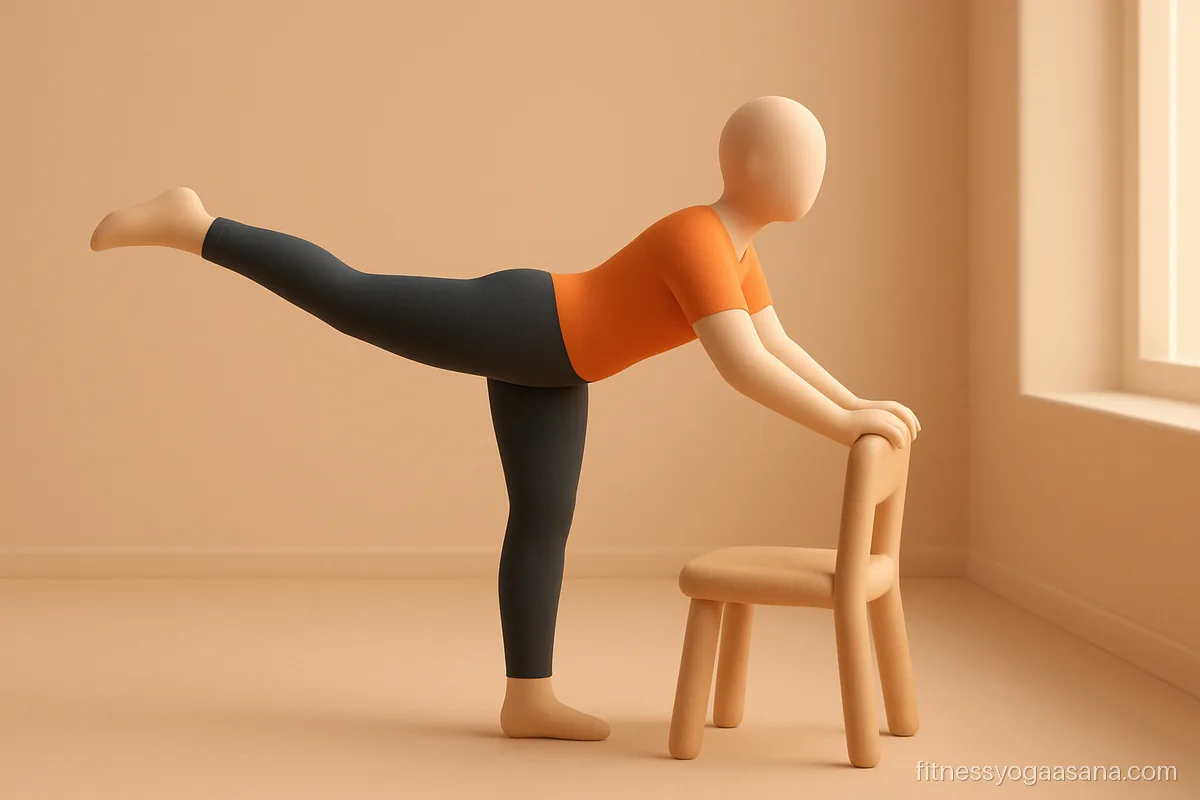
Hands on a chair turn warrior 3 into a strength drill you can practise long before the free balance.
Teacher's cue: Keep the hips level as the back leg lifts.
How to do warrior 2
- Stand with the feet wide apart, about one and a half shoulder widths.
- Point the right toes down the length of the mat and angle the left toes a little inward.
- Bend the right knee over the ankle, keeping it in line with the middle toes.
- Spread both arms level with the shoulders, palms facing the floor.
- Turn the head to look over the right hand.
- Hold five breaths, then change sides.
How to do warrior 3
- From warrior 1, shift the weight onto the front foot.
- Lean the chest forward and lift the back leg.
- Straighten the standing leg with a micro bend in the knee.
- Extend the arms forward, beside the hips or in prayer at the chest.
- Aim for a straight line from fingers to lifted heel.
- Hold three to five breaths, then step back down.
A short warrior flow
Start in mountain pose. Step back into warrior 1 for three breaths, open to warrior 2 for three breaths, then turn back to face forward and float into warrior 3 for three breaths. Bring the feet together, then lead with the other leg. Two rounds make a fine strength warm up. Combine with triangle pose from warrior 2 for a longer standing sequence.
Warrior pose yoga benefits
- Strengthen the thighs, buttocks and calves.
- Stretch the hip flexors and inner thighs.
- Open the chest and shoulders.
- Warrior 3 builds balance and back strength.
- Long holds raise the heart rate and build endurance.
Because all three poses load one leg more than the other, they also reveal imbalances: most people find one side noticeably weaker or tighter. Spend an extra breath on the harder side.
Common mistakes
- Knee drifting inward: press it out over the little toe side.
- Knee past the toes: lengthen the stance.
- Leaning the torso forward in warrior 2: stack the shoulders over the hips.
- Narrow stance in warrior 1: step the feet wider, as if on railway tracks.
- Hip of the lifted leg opening in warrior 3: turn the toes to face the floor.
With knee pain, bend the front knee less. More strength ideas are on standing yoga poses.
Practise on an empty stomach, move slowly into each position and stop at any sharp pain. If you have an injury, a health condition or are pregnant, check with a doctor or an experienced teacher first.
Questions people ask
What is warrior pose in Sanskrit?
Virabhadrasana, with one, two and three for each variation.
What is the difference between warrior 1 and warrior 2?
Warrior 1 faces forward with arms overhead; warrior 2 opens to the side with arms stretched long.
Is warrior 3 hard for beginners?
It needs balance. Practise with hands on a chair or wall first.
How long should I hold warrior pose?
Five breaths a side to start, building to ten for more strength.
Are warrior poses good for knees?
They strengthen the muscles around the knee. Keep the knee over the ankle and stop if it hurts.
Practise next
 Standing yoga posesThe main standing asanas with names, pictures and a sequence
 Trikonasana (triangle)Triangle pose: a wide legged side stretch and leg strengthener
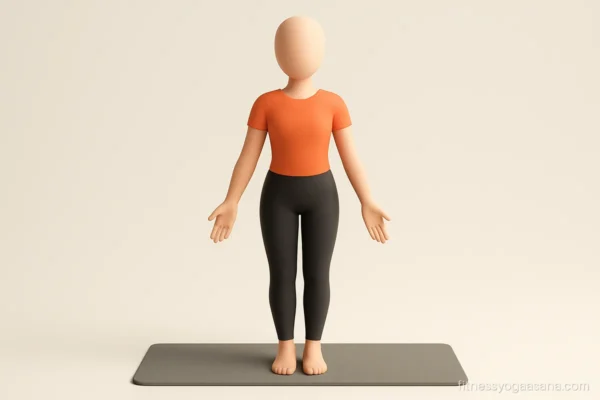 Tadasana (mountain)Mountain pose: the standing base for every other asana
 Utkatasana (chair)An invisible chair: a strong squat with arms raised
 Vrikshasana (tree)Tree pose: a one leg balance for focus and steadiness
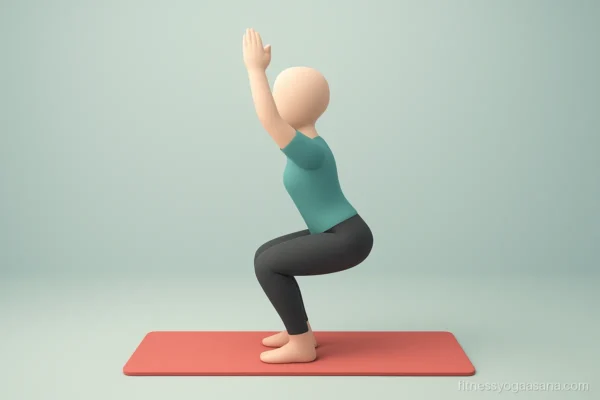 Yoga for weight lossHonest answers, the best poses and a 4 week weight loss plan
More in yoga poses
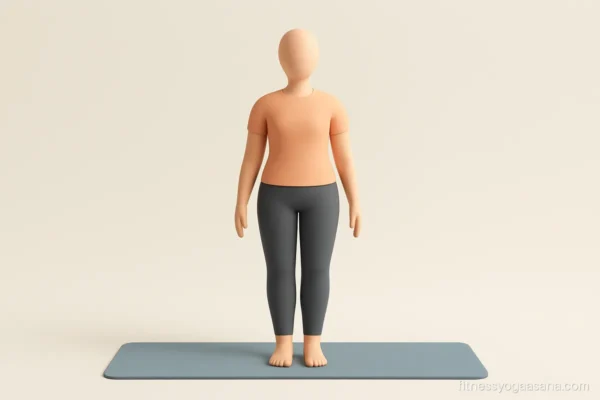 Yoga asanas namesSanskrit and English names of common yoga poses, with pictures
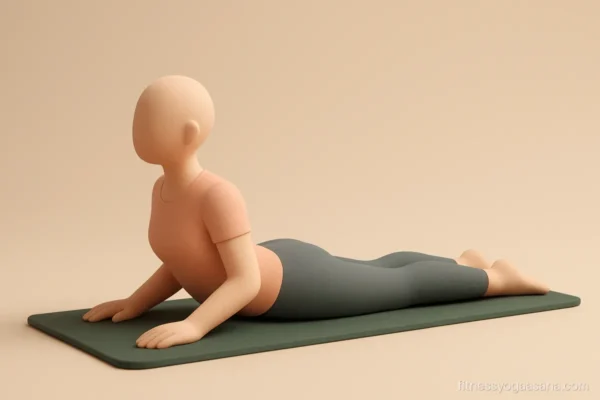 Bhujangasana (cobra)Cobra pose: a gentle back bend lying on the belly
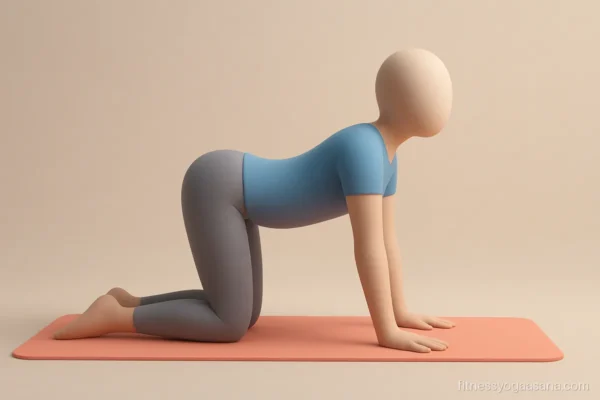 Cat cow poseA flowing spine warm up on hands and knees, linked to the breath
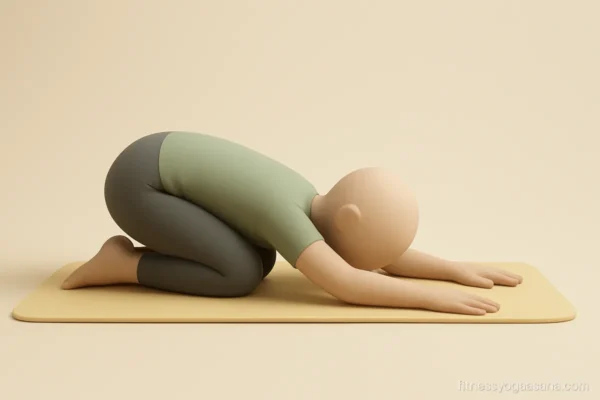 Balasana (child)Child pose: a kneeling forward rest for the back and mind
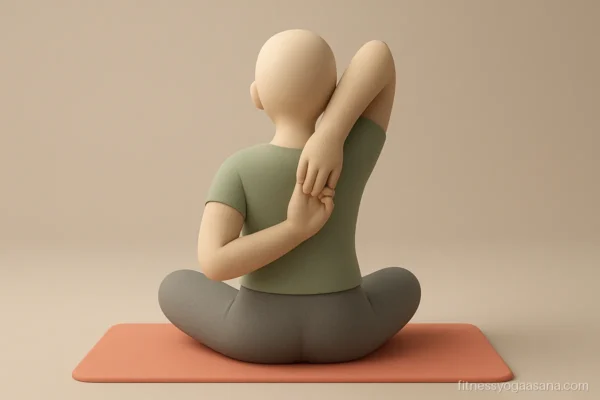 Sitting yoga posesSeated asanas for breathing, flexibility and calm, with names
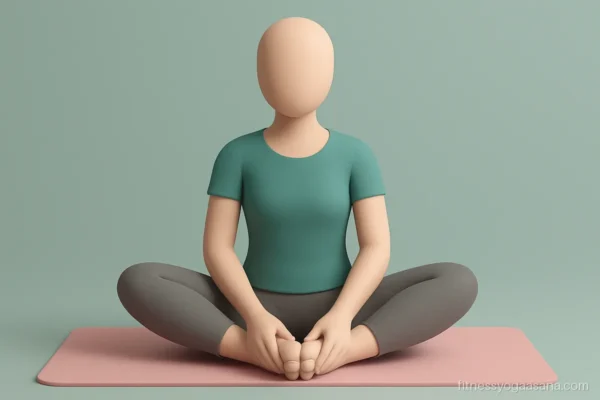 Butterfly poseSoles together, knees wide: a seated hip opener
 Advanced yoga posesArm balances, inversions and deep bends, with prep poses
 Yoga for flexibilityTen stretching poses and a routine to loosen a stiff body