Shambhavi Mudra: Gazing at the Eyebrow Centre
Mudras 3 illustrations Updated 2 Nov 2026
Shambhavi mudra is not a hand position. It is a gesture of the eyes: you sit tall and turn the gaze gently upward and inward toward the point between the eyebrows, the spot yoga texts call the eyebrow centre or bhrumadhya. Hatha yoga manuals describe it as a way of drawing attention inward, and it is often taught before meditation. It is also spelled sambhavi mudra, and in some books it is called bhrumadhya drishti, eyebrow centre gazing.
This page gives shambhavi mudra steps in stages so the eyes never strain, suggested hold times, what is claimed for shambhavi mudra benefits, the little that research tells us, and who should practise with care.
- Type
- Eye gesture (mana mudra, head seal)
- Gaze point
- Eyebrow centre, bhrumadhya
- Also called
- Sambhavi mudra, bhrumadhya drishti
- Hold
- A few seconds, built up slowly
- Used for
- Focus before meditation
- Care if
- Eye surgery, glaucoma, detached retina
Shambhavi mudra steps
- Sit in a steady cross legged posture or on a chair, back tall and chin parallel to the floor.
- Let the hands settle on the knees, chin or gyan mudra.
- Look straight ahead at a point on the wall for a few breaths.
- Keeping the head still, lift the eyes slowly upward and slightly inward toward the space between the eyebrows.
- Pause as soon as the eyes start to ache. Hold for a few seconds while breathing quietly.
- Lower the gaze, close the eyes and rest.
- Repeat three to five times.
Shambhavi mudra in pictures
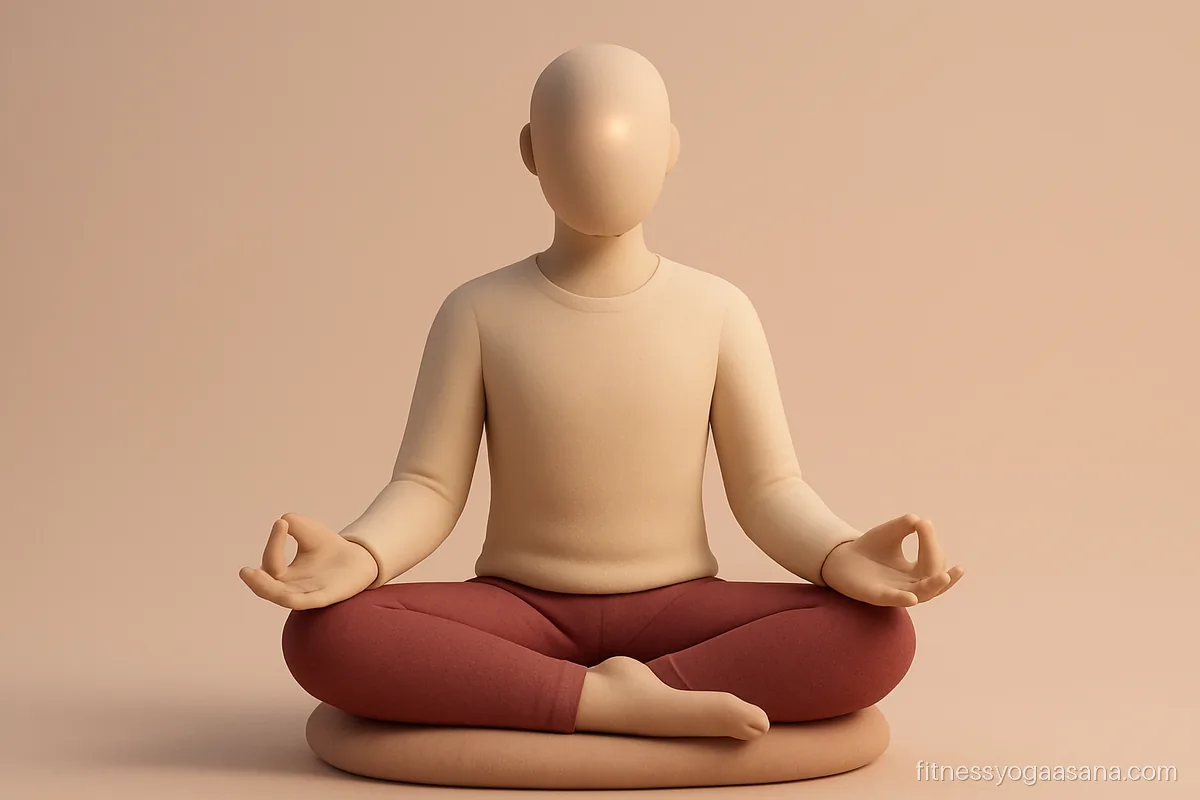
- Level
- Intermediate
- Hold
- 10 to 30 seconds
- Works on
- Attention
The head stays level; only the eyes travel upward, never past ease.
Teacher's cue: Lift the gaze, not the chin.

- Level
- All levels
- Hold
- 30 seconds
- Works on
- Eye rest
Cup the palms over closed eyes between rounds. The warmth and darkness relax the eye muscles.
Teacher's cue: Rub the hands warm first, then rest them lightly.
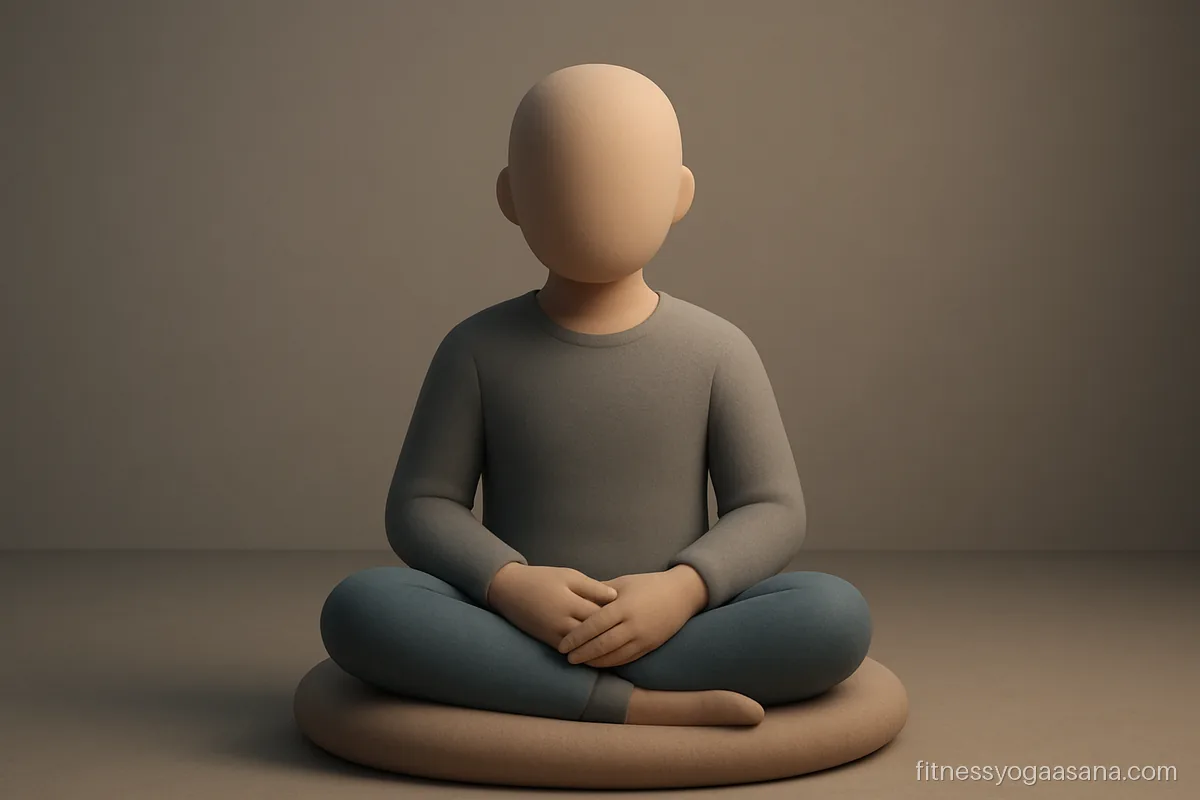
- Level
- Beginner
- Hold
- 2 to 5 minutes
- Works on
- Inner focus
With eyes closed, the attention, not the eyeballs, rests at the brow centre. Many beginners find this version gentler.
Teacher's cue: Let the eyes stay relaxed behind closed lids.
Building up gradually
The eye muscles are small and tire quickly. In the first week, hold the upward gaze for just a few seconds at a time. Over several weeks, extend to twenty or thirty seconds, then a minute, always resting with closed eyes between rounds. If you see double, feel a headache or the eyes water heavily, you have gone too far; rest and shorten the next round. Many teachers suggest the closed eye version, with only attention placed at the brow, as the main practice and the open eye gaze as an occasional exercise.
Shambhavi mudra benefits in the texts
Hatha yoga texts praise this mudra as a doorway to meditation, describing a state where the eyes are open yet the mind is turned inward. Modern teachers list shambhavi mudra benefits such as steadier concentration, a calmer mind and less mental chatter. These descriptions come from experience and tradition rather than trials. Research on eyebrow centre gazing alone is very limited; studies of meditation that include focused attention do show reduced stress for many people. The honest summary is that it can be a useful focusing tool rather than a treatment for any condition.
Nasikagra drishti, the nose tip gaze
A related practice is nasikagra drishti, looking down toward the nose tip. It draws the eyes downward and inward and is sometimes paired with shambhavi mudra so the eye muscles work in both directions. Both are drishti practices, ways of fixing the gaze to steady attention. You can explore other gestures that support meditation on the dhyana mudra and khechari mudra pages.
Who should take care
Avoid the open eye gaze, or ask an eye doctor first, if you have glaucoma, a detached or weak retina, recent eye surgery, a squint being treated, or frequent migraines triggered by eye strain. Contact lens wearers may prefer to remove them. Anyone who feels dizzy should stop and lie down. The closed eye version is suitable for most people.
Where it fits in a session
Place shambhavi mudra after asanas and breathing, just before sitting meditation. A short sequence: five minutes of anulom vilom, three rounds of the gaze with palming between them, then ten minutes of quiet sitting with closed eyes. If the eyes feel tired from screens, follow the gentle drills on yoga for eyes instead of adding more gazing.
Names and spellings
Shambhavi mudra, sambhavi mudra and shambhavi mudra meditation all describe this practice. A paid course with a similar name is taught by one organisation as a breathing sequence; that is a different program and is not described here. On this site the term means the classical eyebrow centre gaze.
Mudras are a traditional practice and research on them is limited. Use them alongside, never instead of, the care your doctor advises.
Questions people ask
What is shambhavi mudra?
An eye gesture in which the gaze is lifted gently toward the point between the eyebrows to draw attention inward.
How long should I hold shambhavi mudra?
Start with a few seconds and build up over weeks to about a minute, resting the eyes between rounds.
Can shambhavi mudra harm the eyes?
Overdoing it can cause strain or headache. Stop at the first discomfort and ask an eye doctor if you have eye disease.
Is sambhavi mudra the same?
Yes, it is another spelling of the same practice.
Can I do shambhavi mudra with eyes closed?
Yes. Rest attention at the brow centre without moving the eyes; this is gentler for beginners.
Practise next
 Dhyana mudraHands cradled in the lap, thumbs touching, for meditation
 Khechari mudraTongue rolled back to the palate: the safe basic form only
 Yoga meditationHow yoga and meditation fit together, with a starter practice
 Yoga for eyesEye exercises and palming for screen strain, with honest limits
 Yoga mudraWhat mudras are, the main hand mudras and how to practise them
 Chin mudraThumb and index ring with palms resting face down
More in mudras
 Prana mudraRing and little fingertips meet the thumb, said to lift energy
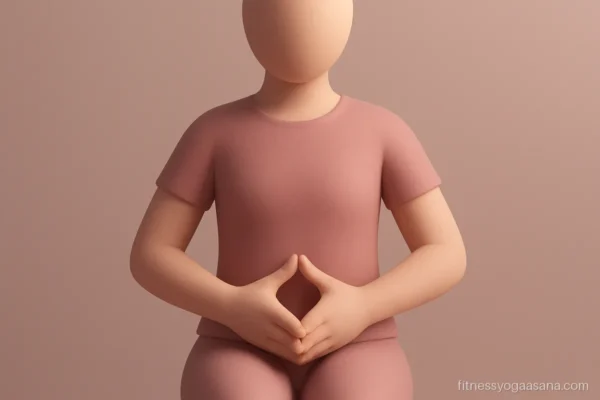 Yoni mudraThe interlaced hand gesture and the senses closing form
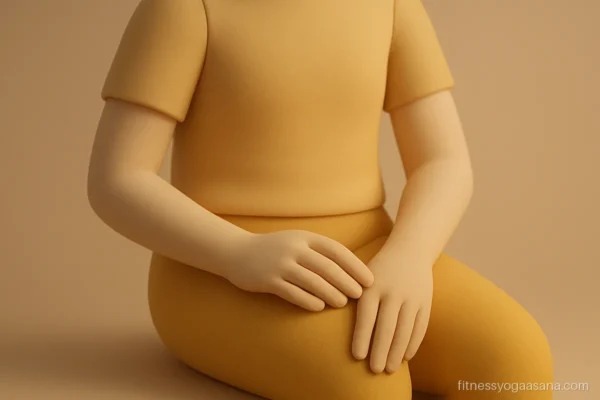 Vayu mudraIndex finger folded under the thumb, for the air element
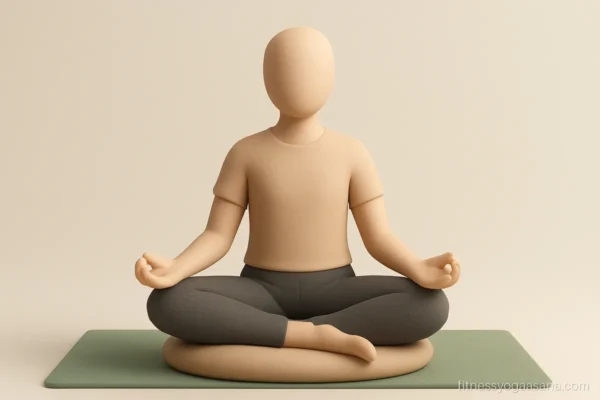 Ashwini mudraA rhythmic pelvic squeeze and release from hatha yoga
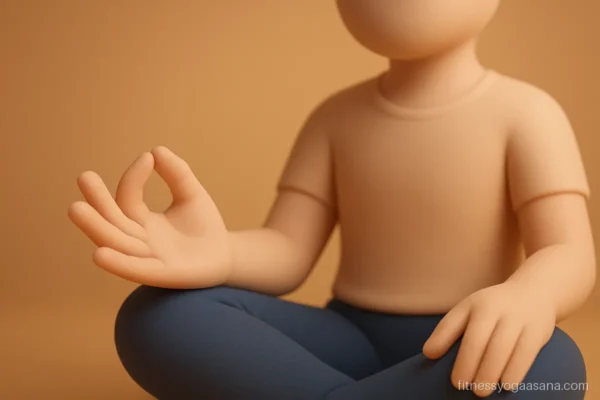 Gyan mudraIndex tip to thumb tip, palm up: the classic meditation seal
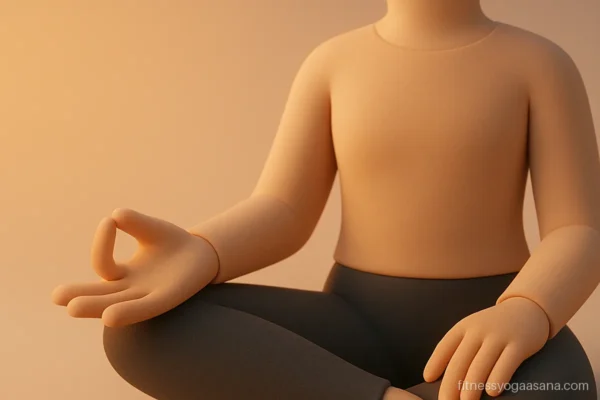 Surya mudraRing finger folded under the thumb, linked with warmth
 Linga mudraInterlaced fingers, one thumb upright: a warming two hand seal
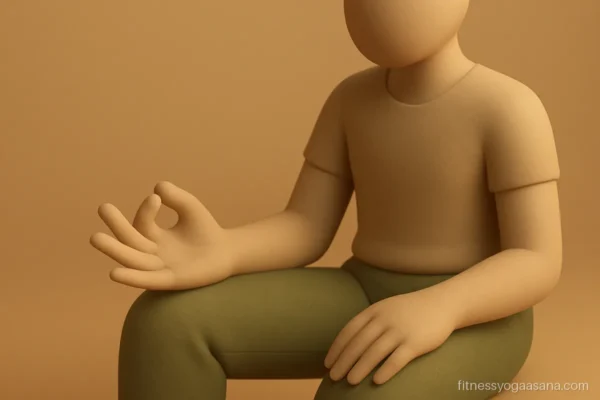 Prithvi mudraRing fingertip to thumb tip, a steadying earth gesture