Yoga for Heart Health: Gentle Practice and Clear Safety Rules
Yoga for health 4 illustrations Updated 2 Nov 2026
Yoga for heart health does its best work inside a broader heart friendly routine: regular moderate activity, slow breathing to ease stress, good sleep and a balanced diet, alongside the medicines your doctor prescribes. Reviews suggest yoga may help lower blood pressure, improve cholesterol and support recovery in cardiac rehabilitation programmes, though it does not replace them.
Below: the research in brief, a gentle routine, notes on cholesterol and the heart mudra, safety rules for heart patients, and the danger signs. Searches for heart ke liye yoga lead to this same advice.
- Main benefits
- Blood pressure, stress, fitness, cholesterol
- Style
- Gentle, steady, no straining
- Breathing
- Slow, no breath holds
- Weekly
- Most days, 20 to 40 minutes
- Avoid
- Inversions, forceful breathing, hot rooms
- First step
- Doctor's clearance if you have heart disease
Yoga for heart health: what research shows
Studies of yoga in people with heart risk factors report modest drops in blood pressure, improvements in cholesterol and weight, and lower stress. In heart disease, yoga based cardiac rehabilitation trials in India suggest it can improve quality of life and return to activity. Effects are similar in size to other moderate exercise, with extra benefits for stress. Yoga is a complement to medical treatment, never a substitute.
Yoga for heart in pictures
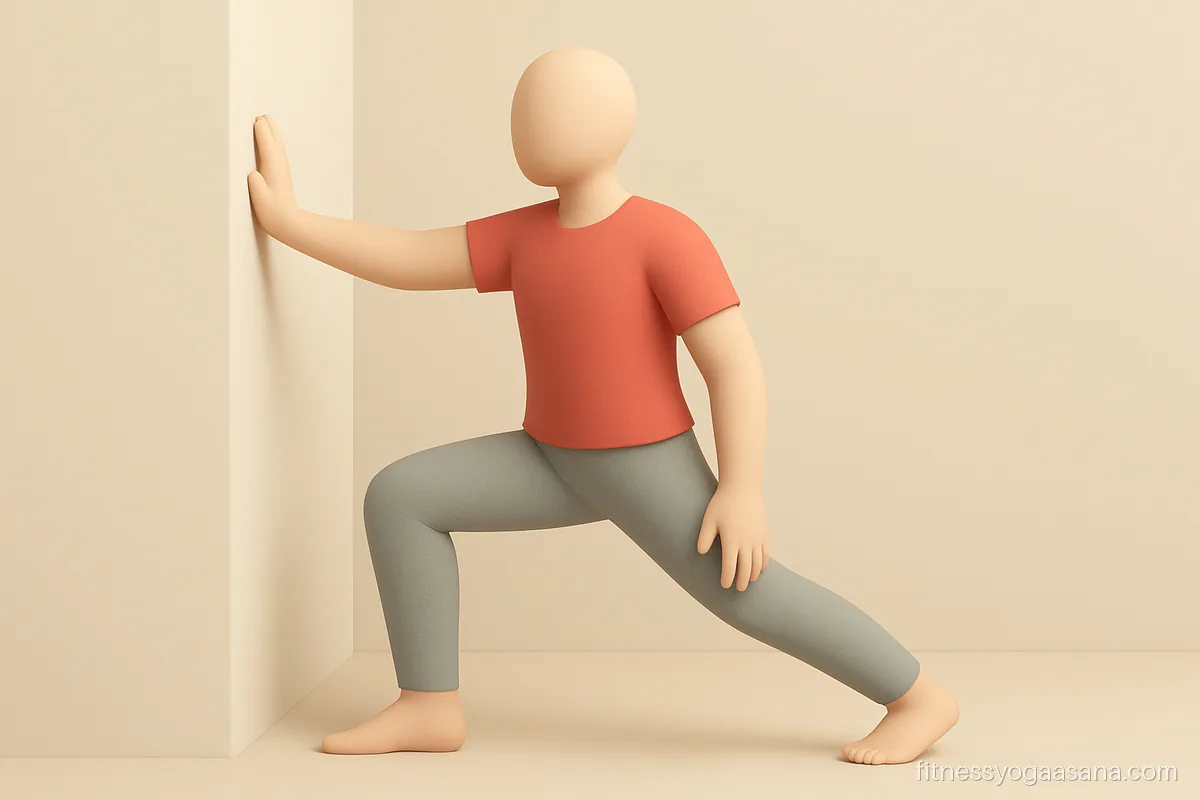
- Level
- Beginner
- Hold
- 3 to 5 breaths
- Works on
- Legs, circulation
Standing poses at a gentle level raise the heart rate a little and build leg strength without straining.
Teacher's cue: Breathe freely and keep the effort moderate.

- Level
- All levels
- Hold
- 5 breaths
- Works on
- Chest, posture
Opening the chest on a chair counters a slumped posture and encourages full breathing.
Teacher's cue: Lift the breastbone without tipping the head back.
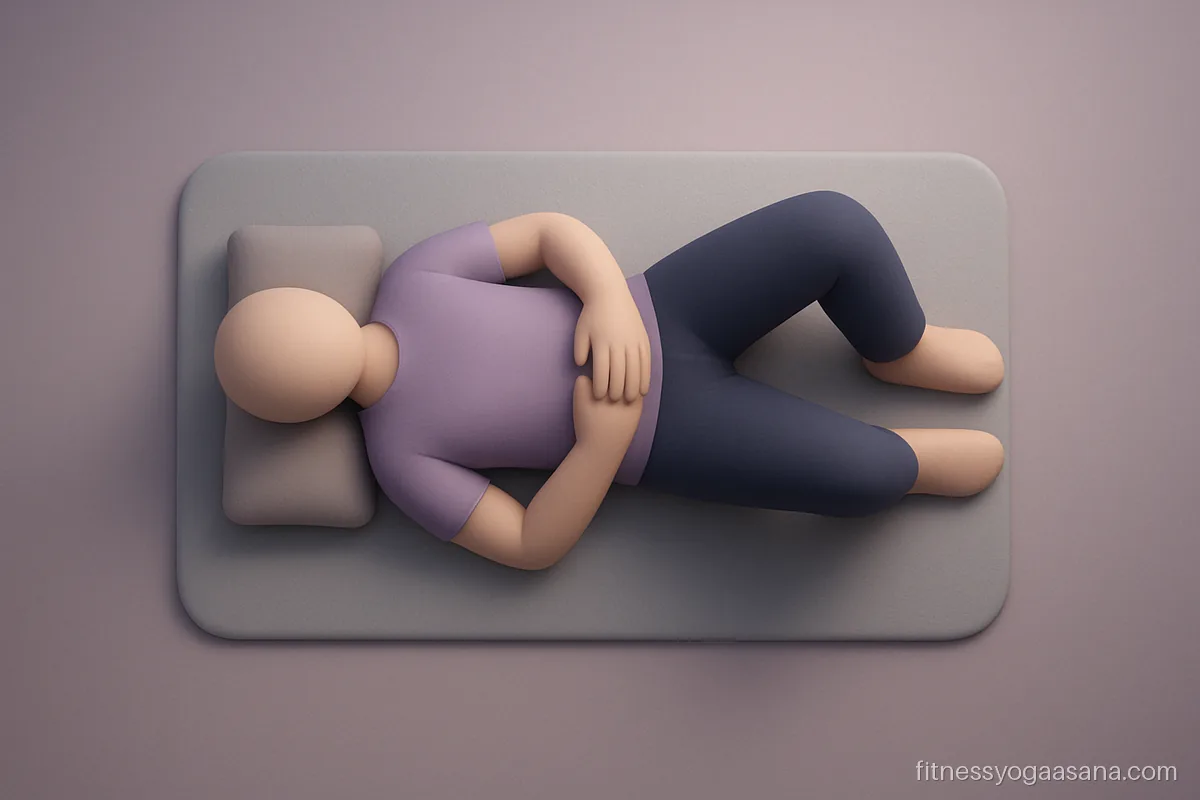
- Level
- All levels
- Hold
- 10 minutes
- Works on
- Stress
Slow breathing and relaxation help ease the stress that strains the heart.
Teacher's cue: Count four on the in breath and six on the out breath.

- Level
- All levels
- Hold
- 30 minutes
- Works on
- Heart fitness
Walking remains one of the best heart exercises. Combine it with gentle yoga for a complete routine.
Teacher's cue: Keep a pace that allows conversation but not a song.
A gentle heart healthy routine
- Seated slow breathing, 3 minutes.
- Neck, shoulder and ankle loosening, 3 minutes.
- Standing arm raises with the breath, 6 times.
- Tadasana and a gentle warrior near a wall.
- Seated chest opener and twist on a chair.
- Lying bridge with a small lift, if comfortable.
- Relaxation with slow breathing, 10 minutes.
Add 30 minutes of walking on most days. This mix is a good heart exercise yoga plan for beginners.
Yoga for a healthy heart, or yoga for good heart health, is really this: gentle daily movement, calm breathing and enough rest. For yoga for heart patients, the same plan is shortened and slowed, with a doctor setting the limits.
Yoga for cholesterol
Yoga for cholesterol works through regular activity, weight control and stress reduction. Several trials report small improvements in LDL and HDL cholesterol after a few months. Diet, especially less fried food and more fibre, has a bigger effect, and many people also need medicine. Get your levels checked and follow your doctor's plan.
So yoga to reduce cholesterol is best seen as one tool among several.
Heart mudra and hridaya mudra
The heart mudra, also called hridaya mudra or apana vayu mudra, and the heart chakra mudra are often suggested for the heart. Hold them during quiet sitting if you like, knowing they have no proven effect on the heart and are never a substitute for urgent care.
Safety rules for people with heart conditions
- Get your cardiologist's approval before starting.
- Avoid inversions, breath holds, kapalbhati and bhastrika.
- Keep effort moderate; you should be able to talk.
- Avoid hot rooms and practising right after meals.
- Rise slowly from lying or folded positions.
- Keep prescribed medicines, such as a spray, nearby if advised.
Warning signs: stop and get help
End the session immediately and get emergency help if you notice tightness or pain in the chest, discomfort travelling to an arm, the jaw or the back, sudden shortness of breath, faintness, a pounding or uneven pulse, or a cold sweat. In India, dial 108 or 112.
This page is general information, not medical advice. If you have a diagnosed condition, are pregnant, recently had surgery or take regular medicine, ask your doctor which practices suit you, and stop at any sharp pain, dizziness or chest discomfort.
Questions people ask
Is yoga good for the heart?
Gentle, regular yoga may support blood pressure, cholesterol and stress, alongside medical care.
Can heart patients do yoga?
Many can, with their cardiologist's approval and a gentle, adapted practice.
Which pranayama is safe for heart patients?
Slow breathing without holds, such as gentle alternate nostril breathing and humming breath.
Does yoga reduce cholesterol?
It may modestly improve cholesterol with regular practice, especially combined with diet changes.
Which poses should heart patients avoid?
Inversions, intense back bends, long straining holds and forceful breathing.
Practise next
 Yoga for high blood pressureSafe poses, slow breathing and what to avoid with high BP
 Apana vayu mudraIndex folded, middle and ring to thumb: the heart mudra
 Yoga for stressCalming poses, breathing and a short routine for stressful days
 Chair yogaSeated stretches for the office, home and older bodies
 Yoga therapyHow yoga is used for health, with every condition guide listed
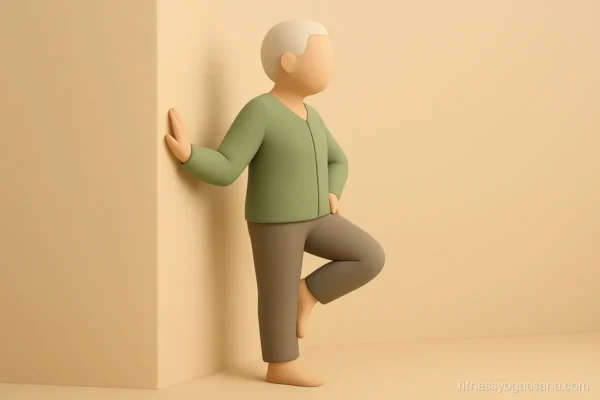 Yoga for seniorsBalance, strength and mobility for older adults
More in yoga for health
 Yoga for kidsEasy, playful poses and breathing games for children
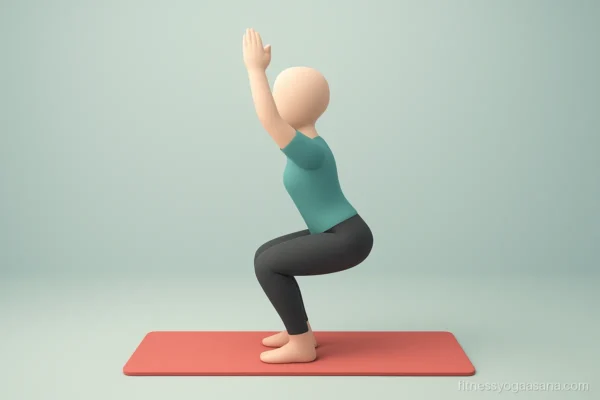 Yoga for weight lossHonest answers, the best poses and a 4 week weight loss plan
 Yoga for back painGentle poses and a daily routine for lower back pain and sciatica
 Face yogaFacial exercises for cheeks, jaw and tension, with honest results
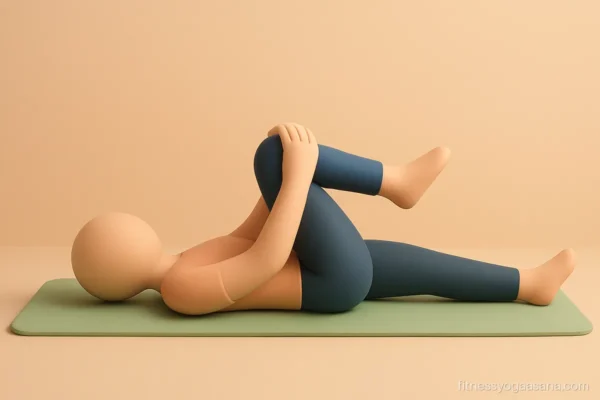 Gas and acidityGentle poses for trapped gas, acidity and a heavy stomach
 Yoga for belly fatCore poses, a daily plan and honest advice on waist fat
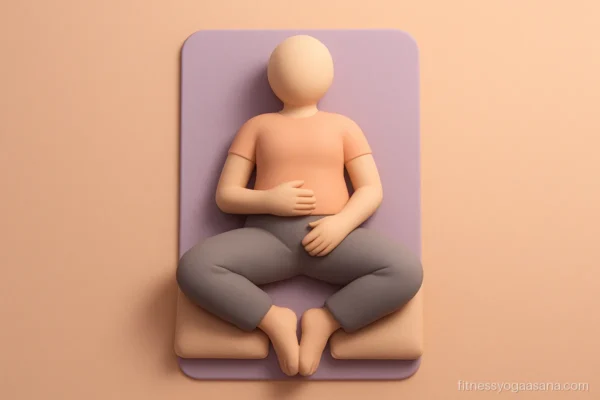 Yoga for periodsGentle poses for cramps, irregular cycles and period days
 Yoga for pregnancySafe prenatal poses by trimester, breathing and postnatal care