Super Brain Yoga: The Ear Holding Squat, Honestly Explained
Yoga for health 4 illustrations Updated 2 Nov 2026
Super brain yoga is a simple exercise that has become popular with students and parents: you cross the arms, hold your earlobes, and squat down and up slowly while breathing in a set pattern. It is based on a traditional Indian practice done in schools and places of worship, now repackaged with claims that it boosts brain power and concentration.
Read on for safe steps, the claims, the thin evidence, and other yoga for concentration that students can use before study and exams.
- What it is
- Ear holding squats with breathing
- Reps
- 10 to 21, about 2 to 3 minutes
- Breath
- Inhale going down, exhale coming up
- Claims
- Better focus and memory
- Evidence
- Very limited, mostly anecdotal
- Skip if
- Knee pain, balance problems
How to do super brain yoga
- Stand with feet about shoulder width apart, facing forward.
- Cross the arms in front of the chest: the left hand holds the right earlobe, the right hand holds the left earlobe, right arm in front.
- Press the tongue lightly to the roof of the mouth if you wish, as some versions suggest.
- Breathe in and squat down slowly, as far as is comfortable.
- Breathe out and rise slowly back to standing.
- Repeat 10 to 21 times.
Super brain yoga in pictures

- Level
- Easy
- Hold
- Setup
- Works on
- Posture
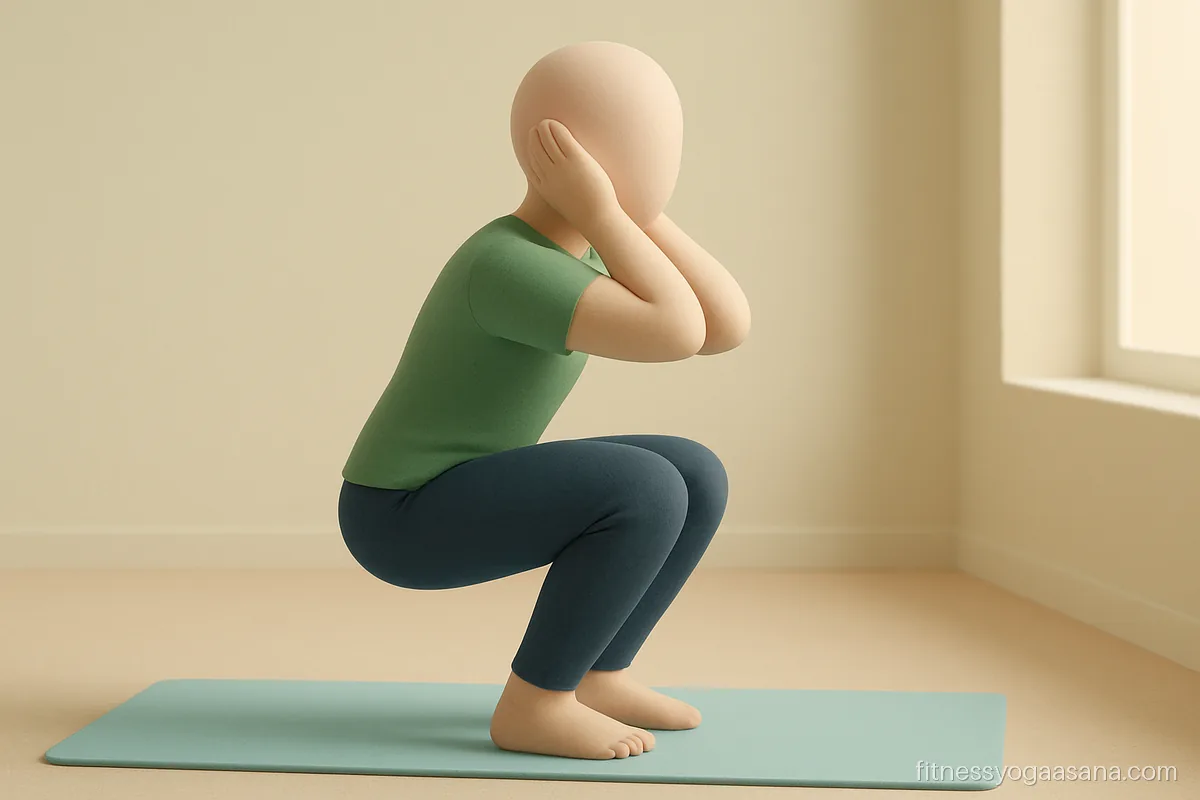
Start standing tall. The left hand holds the right earlobe and the right hand holds the left, with the right arm in front.
Teacher's cue: Hold the earlobes gently between thumb and forefinger, no pulling.
- Level
- Easy
- Hold
- 10 to 21 reps
- Works on
- Legs, coordination
Squat down on an inhale as far as comfortable, keeping the back upright, then rise on the exhale.
Teacher's cue: Keep the heels down and the chest lifted as you lower.

- Level
- All levels
- Hold
- 3 minutes
- Works on
- Concentration
Several minutes of unhurried breathing before opening the books is a reliable way to gather attention.
Teacher's cue: Count ten slow breaths before opening the book.
- Level
- Easy
- Hold
- 5 breaths each side
- Works on
- Focus
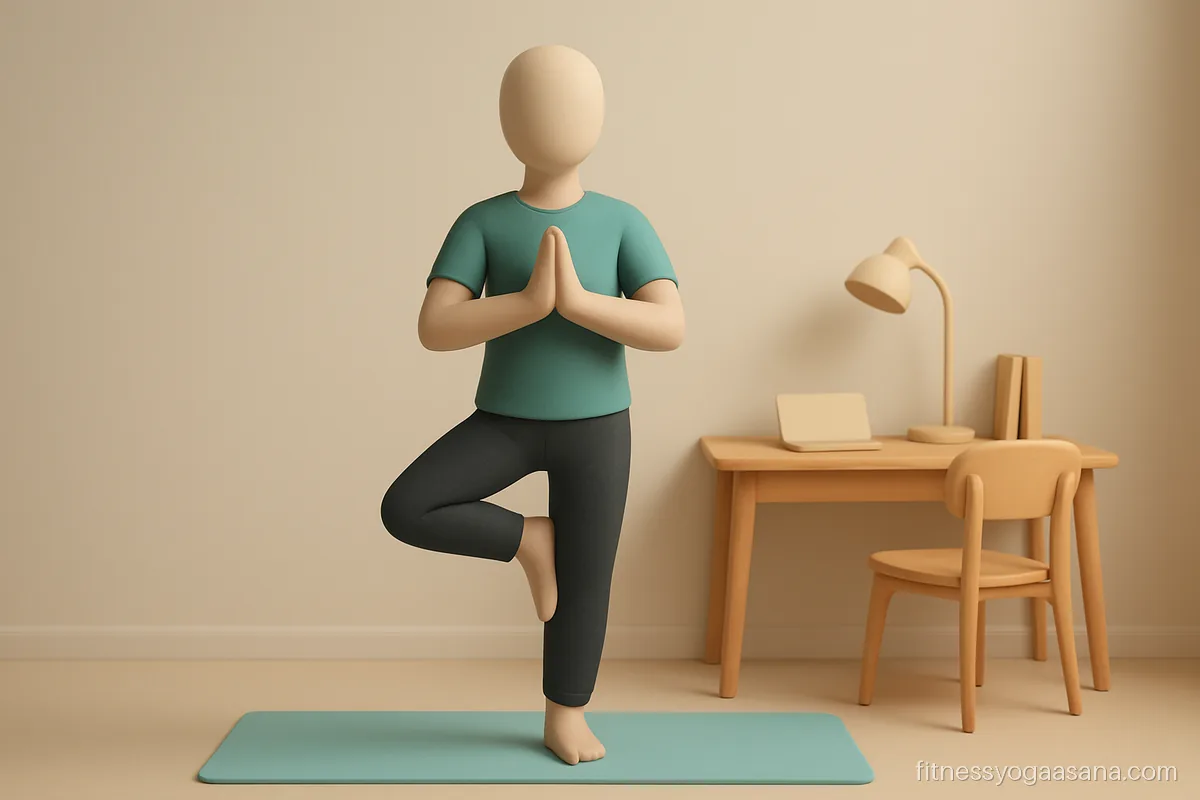
Balance poses like tree pose demand steady attention and are a quick reset between study sessions.
Teacher's cue: Fix your eyes on one point and notice how still the mind becomes.
What super brain yoga claims
Promoters say that pressing the earlobes stimulates points linked to the brain, and that the squats with breathing balance the left and right hemispheres, improving memory, focus and even behaviour in children. Super brain yoga benefits are often presented with videos and testimonials. Brain yoga for students has become a popular phrase on that basis.
What the evidence shows
There are no good quality scientific studies showing that super brain yoga improves memory or intelligence. The exercise itself is harmless for healthy people and is light exercise, which can help alertness for a short while, like any brief movement break. If children enjoy it as a quick activity between lessons, fine; just do not expect it to change grades on its own.
Better yoga for concentration
- Slow breathing: three minutes of anulom vilom before study.
- Balance poses: vrikshasana and eagle pose demand focus.
- Movement breaks: a few sun salutations every hour.
- Bhramari: a humming breath to settle a racing mind; see bhramari pranayama.
- Sleep: no practice beats a full night's sleep for memory.
Benefits of yoga for students that research supports include lower stress and better attention when practised regularly.
A five minute brain yoga exercise routine for students
One minute of slow breathing, ten super brain yoga squats if you enjoy them, tree pose on each side, three rounds of humming breath, then a minute sitting still with eyes closed. Do it before homework or revision.
Safety
Skip the squats with knee pain or poor balance; do the breathing and tree pose near a wall instead. Children should do gentle reps without competition. For younger children, see yoga for kids.
If a child has ongoing trouble with attention, memory or learning, talk to a doctor or school counsellor; these can have treatable causes. Mudra for concentration ideas, such as a concentration mudra like gyan mudra, are fine as calm habits, and yoga for brain health or yoga for memory power works best as part of good sleep, food and exercise.
This page is general information, not medical advice. If you have a diagnosed condition, are pregnant, recently had surgery or take regular medicine, ask your doctor which practices suit you, and stop at any sharp pain, dizziness or chest discomfort.
Questions people ask
What is super brain yoga?
An exercise of squatting slowly while holding the earlobes with crossed arms, paired with breathing.
Does super brain yoga work?
No trustworthy study links it to sharper memory or a higher IQ. It is a harmless movement break.
What number of super brain yoga squats is enough?
Ten to twenty one repetitions, taking two to three minutes.
Which yoga is best for concentration?
Slow breathing, balance poses, humming breath and regular movement breaks.
Is super brain yoga good for children?
It is safe as a playful activity for healthy children. Focus more on sleep and calm routines for real gains.
Practise next
 Yoga for kidsEasy, playful poses and breathing games for children
 Vrikshasana (tree)Tree pose: a one leg balance for focus and steadiness
 Anulom vilomSimple alternate nostril breathing, without breath holds
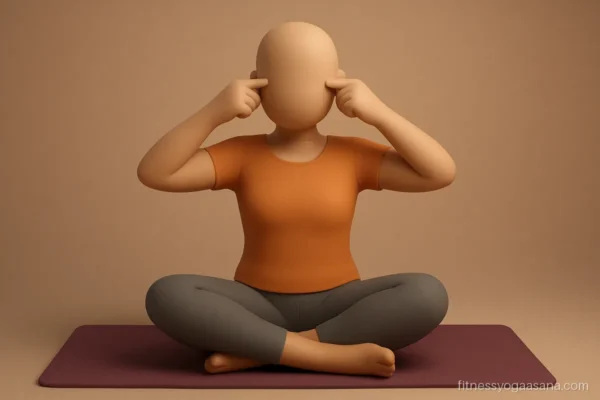 Bhramari pranayamaThe humming bee breath: steps, benefits and how many rounds
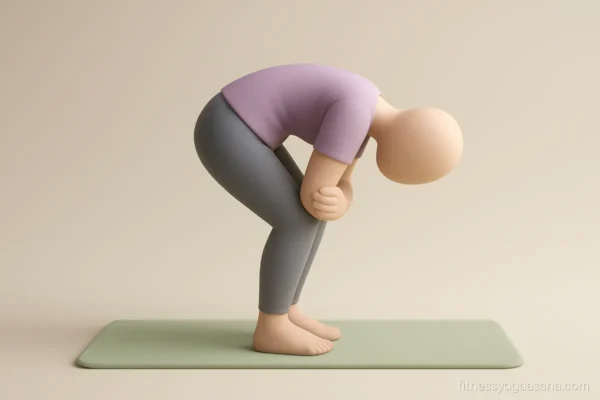 Yoga for stressCalming poses, breathing and a short routine for stressful days
More in yoga for health
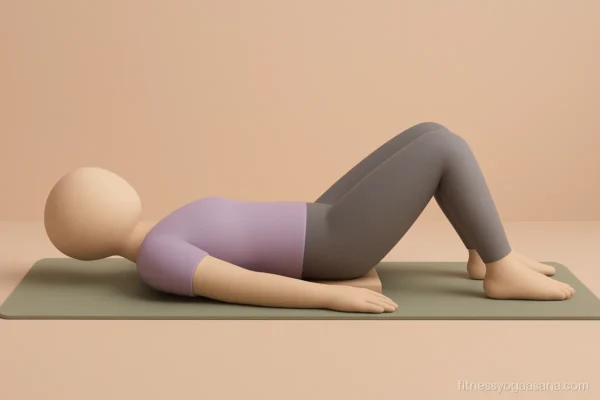 Yoga therapyHow yoga is used for health, with every condition guide listed
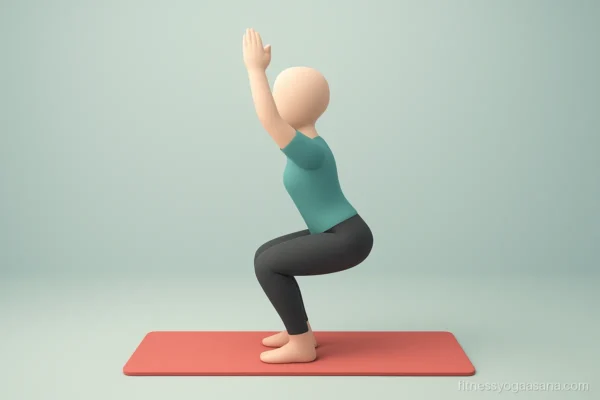 Yoga for weight lossHonest answers, the best poses and a 4 week weight loss plan
 Yoga for back painGentle poses and a daily routine for lower back pain and sciatica
 Face yogaFacial exercises for cheeks, jaw and tension, with honest results
 Gas and acidityGentle poses for trapped gas, acidity and a heavy stomach
 Yoga for belly fatCore poses, a daily plan and honest advice on waist fat
 Yoga for periodsGentle poses for cramps, irregular cycles and period days
 Yoga for pregnancySafe prenatal poses by trimester, breathing and postnatal care