Shirshasana: Headstand Built on Preparation
Yoga poses 4 illustrations Updated 2 Nov 2026
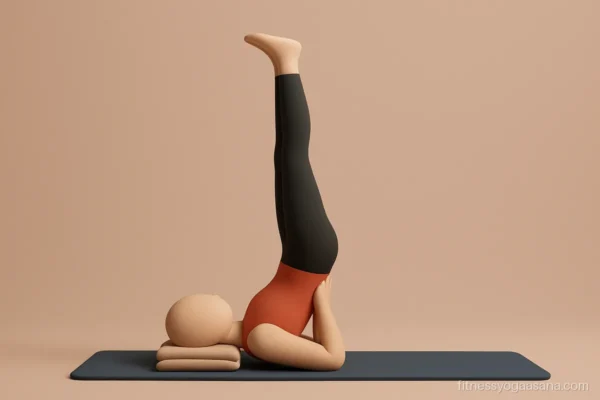
Shirshasana, the headstand, is an inversion in which the body balances upside down, supported by the forearms and the crown of the head. Shirsha means head. Traditional hatha yoga calls it the king of asanas, and it is often paired with shoulder stand. Rushed attempts commonly hurt the neck, since the small cervical bones were never meant to carry a whole body.
Covered here: the forearm base, the groundwork drills, wall practice, a controlled descent, the real effects of shirshasana yoga, and the many conditions that rule it out. Sirsasana yoga pose is simply another spelling. Searches for headstand yoga, sirsasana yoga and head stand in yoga all lead here.
- Sanskrit
- Shirshasana or sirsasana (shirsha: head)
- English
- Headstand, supported headstand
- Level
- Advanced
- Hold
- 10 seconds, built up slowly
- Prepare with
- Dolphin, forearm plank, shoulder work
- Avoid if
- Neck problems, high BP, glaucoma
Before you try shirshasana
Spend several weeks on preparation first. You should be able to hold forearm plank for a minute and dolphin pose for ten breaths with the shoulders lifted. A teacher in person is strongly recommended for the first attempts. Never jump or kick up; that is where most injuries happen.
Shirshasana (headstand) in pictures
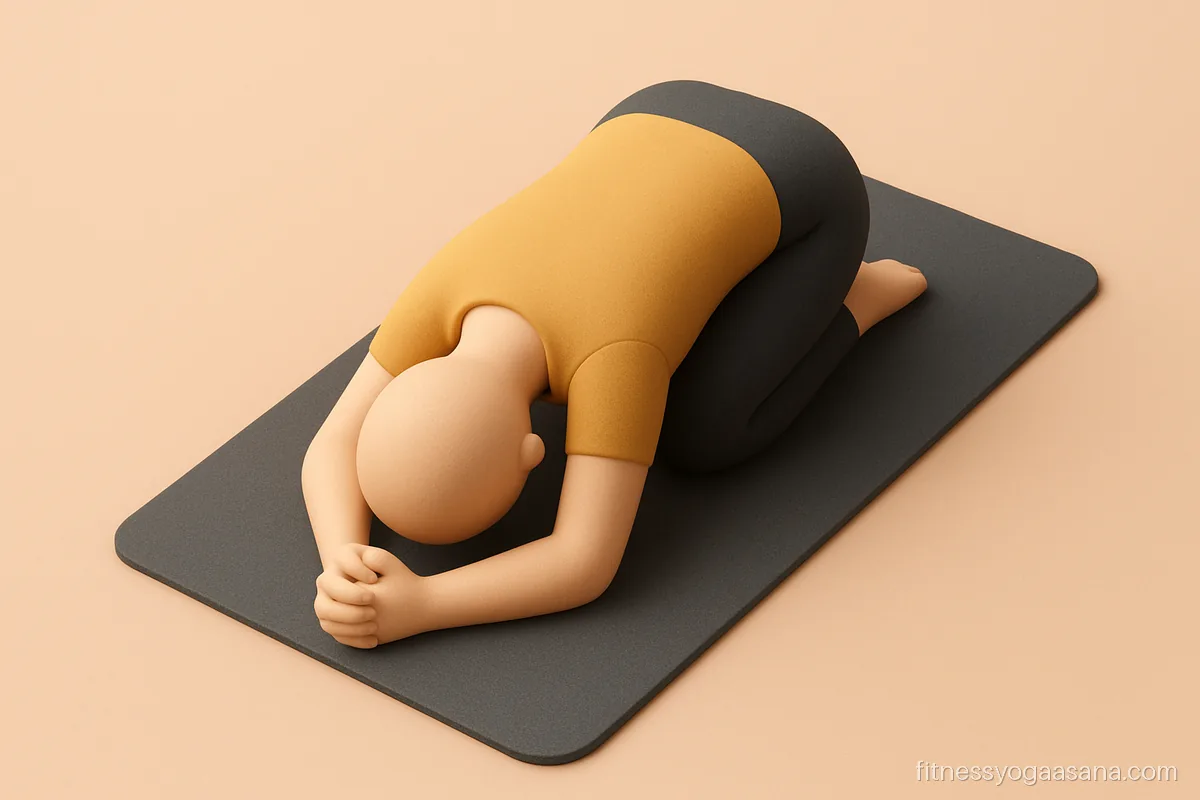
- Level
- Intermediate
- Hold
- Setup
- Works on
- Base and alignment
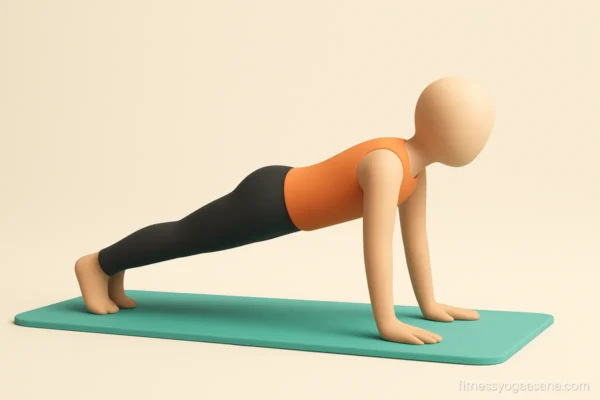
Forearms make a triangle with the hands interlaced; the crown rests lightly in front of the palms.
Teacher's cue: Keep the elbows no wider than the shoulders.
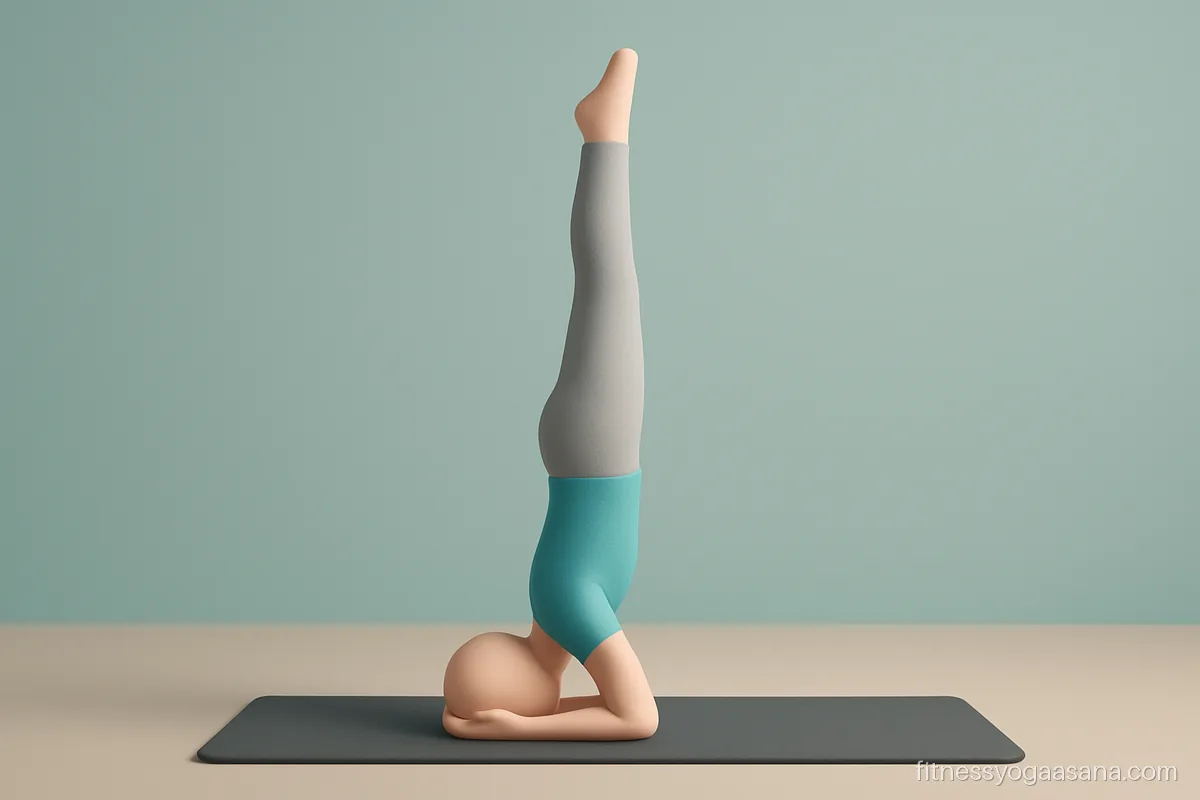
- Level
- Advanced
- Hold
- Up to 2 minutes
- Works on
- Balance, shoulders
Once fully up, the forearms bear the load and the neck barely works.
Teacher's cue: Press the forearms down and lift the shoulders away from the ears.
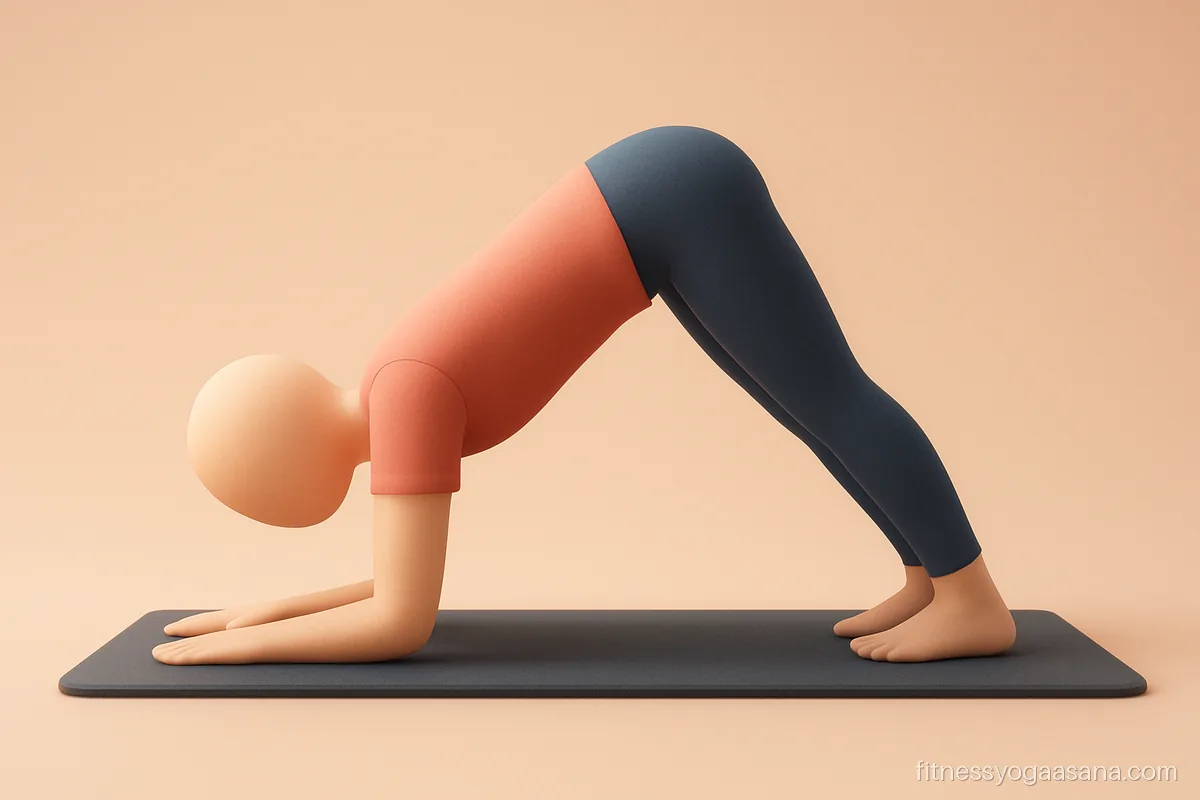
- Level
- Intermediate
- Hold
- 5 to 10 breaths
- Works on
- Shoulder strength
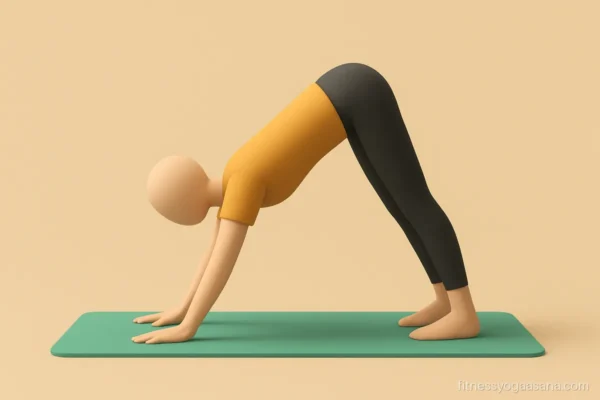
Dolphin pose builds the shoulder strength that keeps weight off the neck later.
Teacher's cue: Step the toes closer just until the spine starts to round.
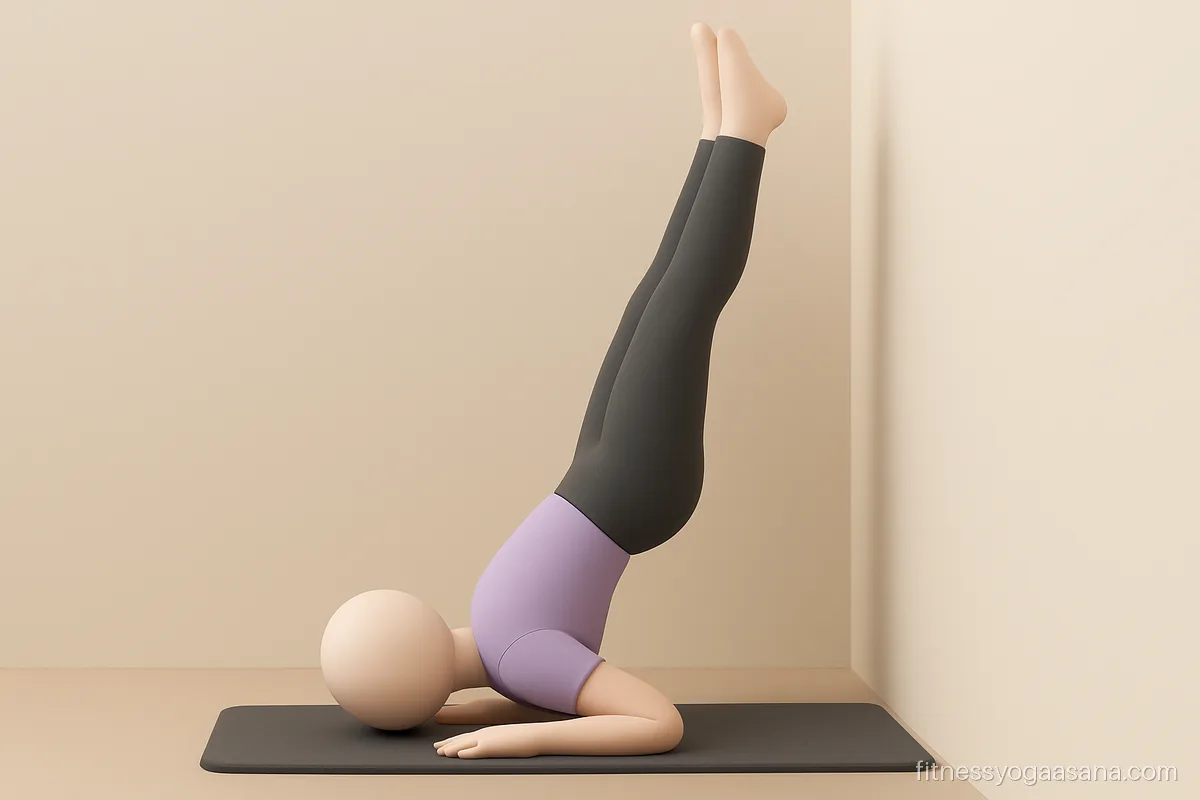
- Level
- Intermediate
- Hold
- 10 to 30 seconds
- Works on
- Supported practice
A wall behind the back catches you while you learn, but still lift through the shoulders.
Teacher's cue: Set the hands a forearm's length from the wall.
How to do shirshasana
- Kneel and place the forearms on a folded mat, elbows shoulder width apart.
- Interlace the fingers to make a cup with the palms.
- Set the top of the skull on the mat with the back of the head cradled by the hands.
- Lift the knees and walk the feet toward the face until the hips are above the shoulders.
- Press the forearms firmly down and lift the shoulders.
- Draw one knee, then the other, toward the chest, and slowly straighten the legs upward.
- Hold ten seconds at first, breathing steadily.
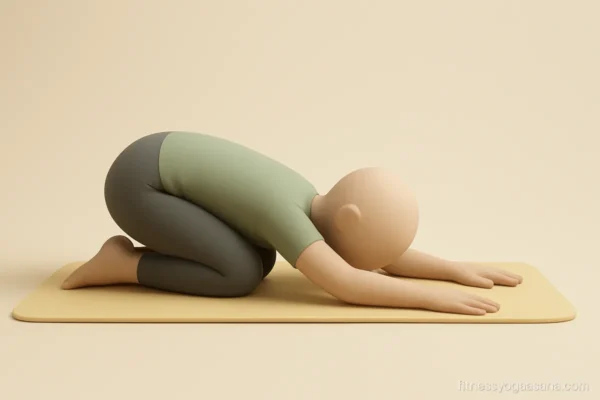
- Lower one leg, then the other, slowly, and fold into child pose.
Keeping weight off the neck
Most of the load should travel through the forearms. If you feel pressure building in the neck, come down. A useful test: you should be able to lift the head a few millimetres off the floor while upside down. Some teachers prefer a forearm stand without the head touching at all, or a headstand bench that supports the shoulders, as safer options.
What headstand does
- Builds shoulder, arm and core strength.
- Trains balance and body awareness.
- Many practitioners find it focusing and invigorating.
Claims that headstand significantly increases blood flow to the brain, improves hair growth or regulates hormones are not supported by good evidence. The body tightly regulates blood flow to the brain regardless of position.
Who should avoid shirshasana
Headstand is off limits with an injured or arthritic neck, hypertension, cardiac disease, a past stroke, eye pressure or retina trouble, inner ear issues, osteoporosis, recent head injury, and in pregnancy. Also skip it if you have a headache, feel unwell, or are significantly overweight without first building strength. Legs up the wall gives a restful inversion to nearly everyone.
After headstand
Rest in child pose for at least as many breaths as you held the headstand, so the blood pressure can settle before you stand. Follow with gentle neck movements and, later in the session, shoulder stand only if your teacher includes it.
Practise on an empty stomach, move slowly into each position and stop at any sharp pain. If you have an injury, a health condition or are pregnant, check with a doctor or an experienced teacher first.
Questions people ask
What is shirshasana in English?
Headstand.
Is shirshasana safe?
It carries real risk to the neck. Learn it with preparation and a teacher, and avoid it with the conditions listed above.
What is a sensible headstand hold?
Start with ten seconds. Experienced practitioners may hold a few minutes.
Does headstand help hair growth?
There is no evidence for this popular claim.
What should I do after shirshasana?
Rest in child pose for a while before standing up.
Practise next
 Sarvangasana (shoulder stand)The shoulder stand, with a blanket setup that protects the neck
 Advanced yoga posesArm balances, inversions and deep bends, with prep poses
 Downward dogThe inverted V: hips high, heels reaching, spine long
 Plank poseThe straight line hold and the low push up of sun salutation
 Balasana (child)Child pose: a kneeling forward rest for the back and mind
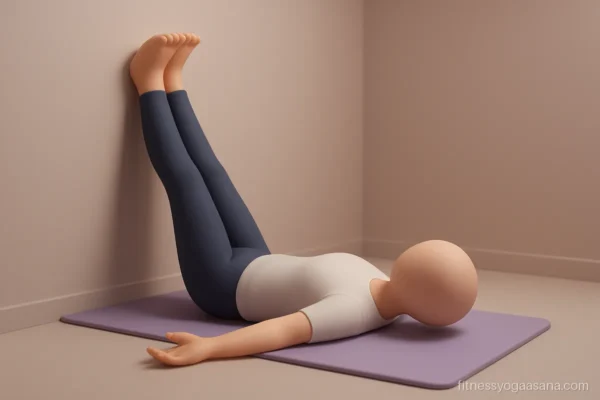 Viparita karani (legs up the wall)Lying with the legs resting up a wall: the easiest restful inversion
More in yoga poses
 Yoga asanas namesSanskrit and English names of common yoga poses, with pictures
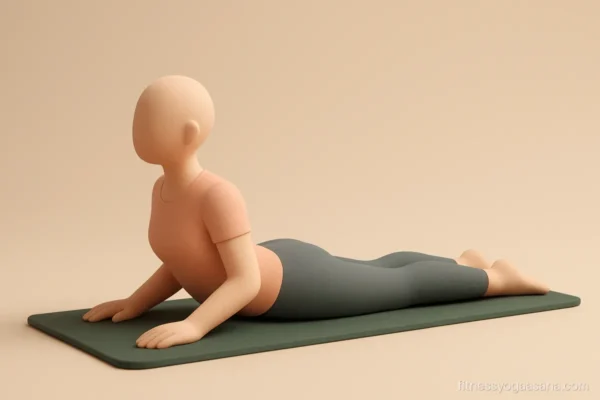 Bhujangasana (cobra)Cobra pose: a gentle back bend lying on the belly
 Standing yoga posesThe main standing asanas with names, pictures and a sequence
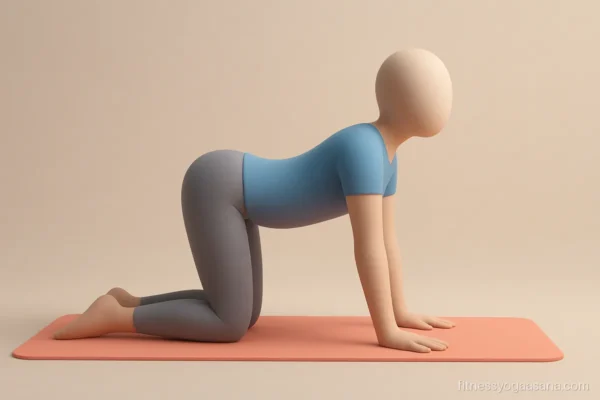 Cat cow poseA flowing spine warm up on hands and knees, linked to the breath
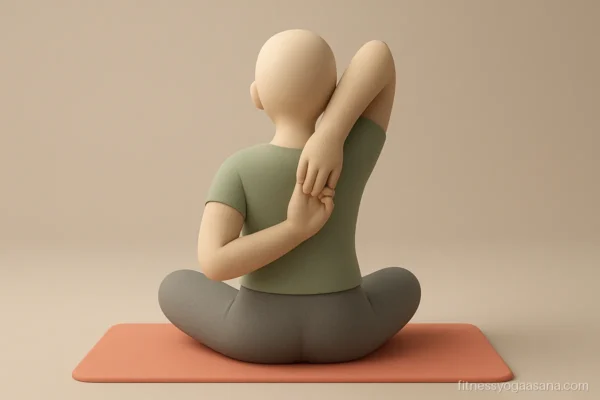 Sitting yoga posesSeated asanas for breathing, flexibility and calm, with names
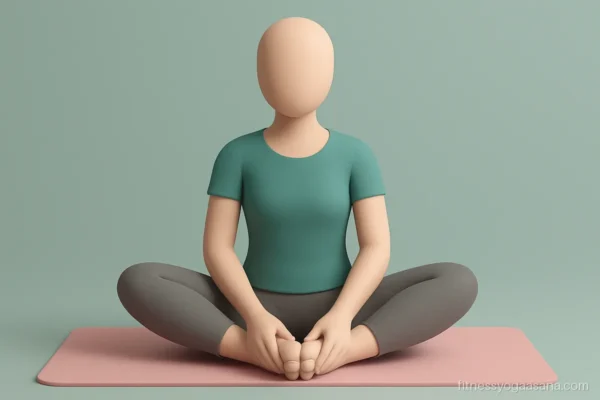 Butterfly poseSoles together, knees wide: a seated hip opener
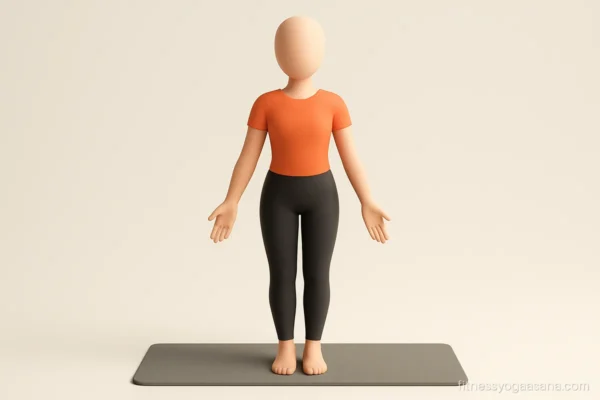 Tadasana (mountain)Mountain pose: the standing base for every other asana
 Vrikshasana (tree)Tree pose: a one leg balance for focus and steadiness