Chakrasana: Wheel Pose and Its Easier Versions
Yoga poses 4 illustrations Updated 2 Nov 2026
Chakrasana usually means the full wheel pose: from lying on the back, you press up on the hands and feet so the body forms a high arch. Chakra means wheel. This deep arch asks for supple shoulders, free hip fronts and sturdy legs. In many Indian schools, chakrasana also refers to ardha chakrasana, a gentle standing back bend with the hands supporting the lower back, and katichakrasana, a standing waist twist.
Below you will find all three shapes, the groundwork that makes the full wheel safer, a clear press up sequence, what the practice offers and who ought to leave it alone.
- Sanskrit
- Chakrasana; urdhva dhanurasana (full wheel)
- English
- Wheel pose, upward bow
- Level
- Advanced (full); beginner (standing half)
- Hold
- 3 to 5 breaths
- Prepare with
- Bridge, cobra, camel, shoulder openers
- Skip if
- Back, wrist or shoulder injury, high BP, pregnancy
How to do chakrasana (full wheel)
- Warm up thoroughly: sun salutations, bridge, cobra, camel and shoulder stretches.
- Lie on your back, knees bent, feet hip width apart close to the hips.
- Place the hands beside the ears, fingers pointing toward the shoulders.
- Press into the feet and lift the hips.
- Press into the hands and rise to the crown of the head; set the elbows parallel.
- Straighten the arms and lift the head off the floor.
- Hold 3 to 5 breaths, then tuck the chin and lower slowly to the back.
Chakrasana (wheel) in pictures

- Level
- Advanced
- Hold
- 3 to 5 breaths
- Works on
- Spine, shoulders, legs
Full wheel: arms straight, feet hip width, the whole front body lifting toward the ceiling.
Teacher's cue: Send the heart forward, past the line of the wrists.
- Level
- Beginner
- Hold
- 3 to 5 breaths
- Works on
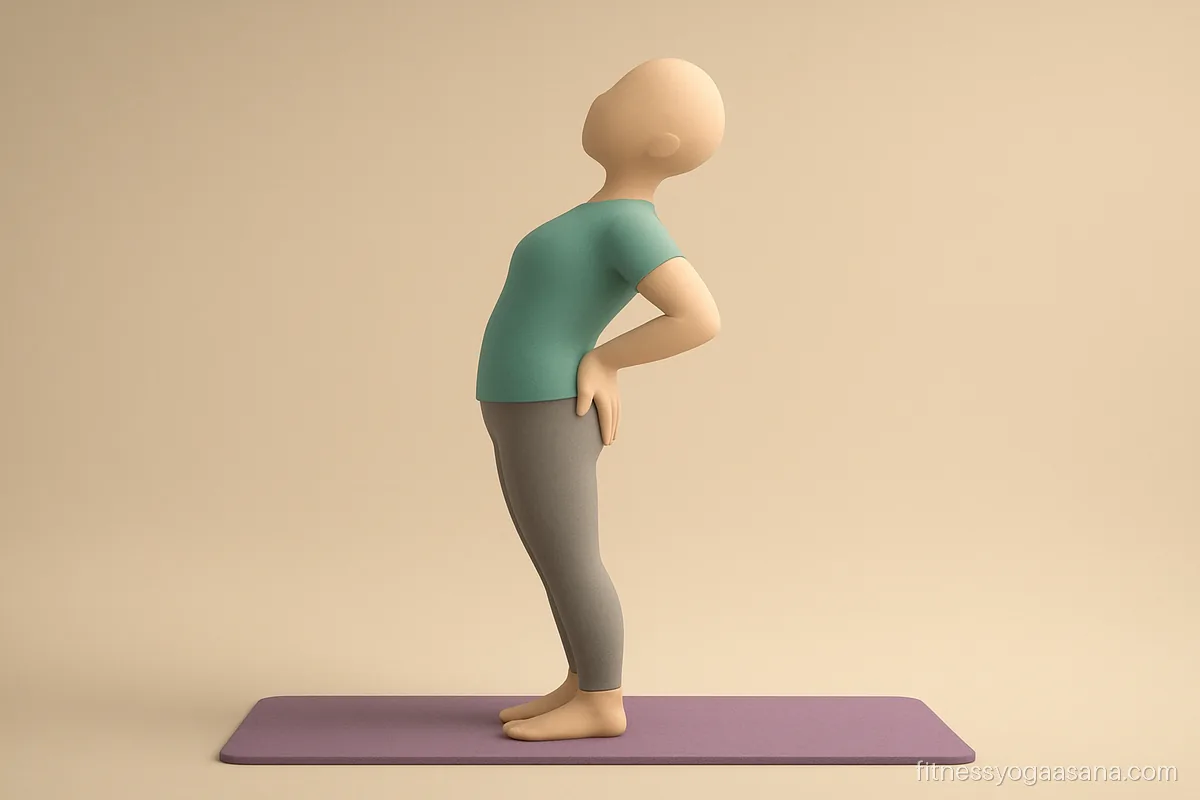
- Chest, upper back
Ardha chakrasana, the standing half wheel: hands on the lower back, hips forward, a gentle lift of the chest.
Teacher's cue: Lift up first, then lean back only as far as feels easy.

- Level
- Beginner
- Hold
- 10 swings each side
- Works on
- Waist, spine
Katichakrasana, the standing waist twist, swings the arms around the body. It is a common warm up in school yoga.
Teacher's cue: Let the arms swing loosely while the feet stay planted.
- Level
- Intermediate
- Hold
- 1 to 2 breaths
- Works on
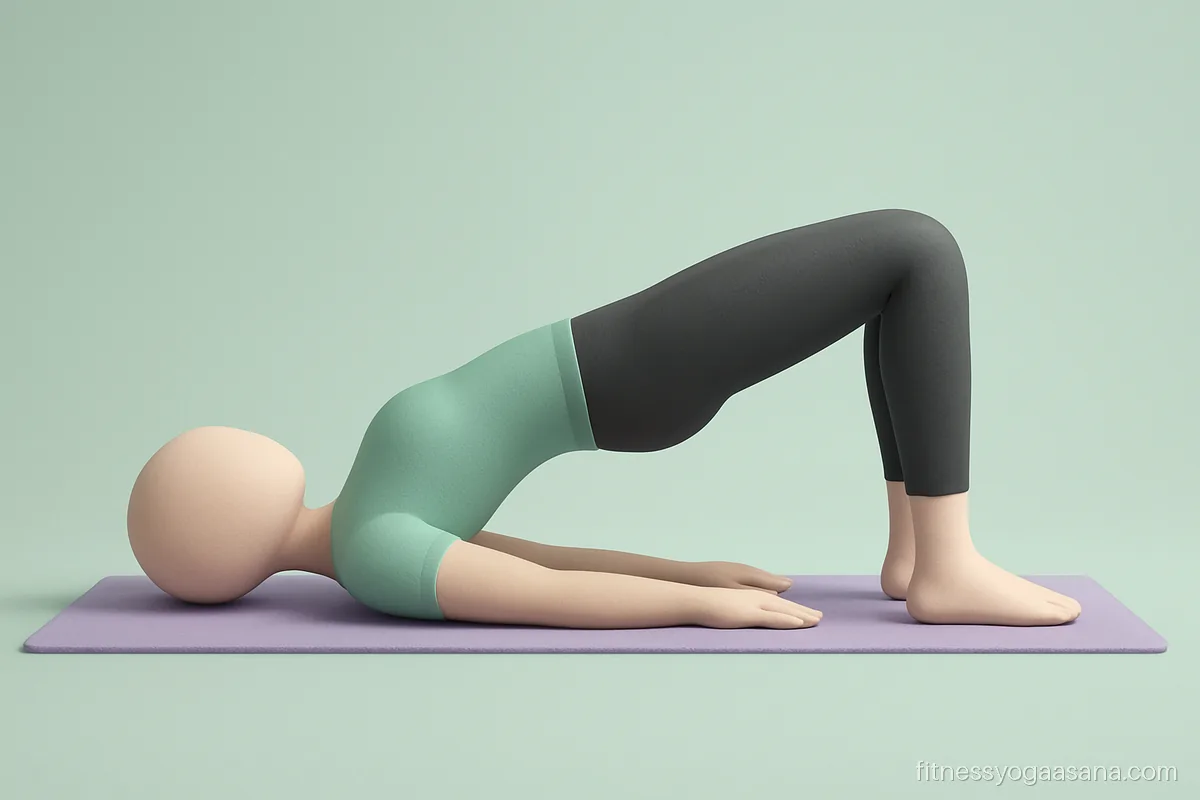
- Shoulder setup
A midway stop: press up to the crown, set the elbows parallel, then straighten the arms.
Teacher's cue: Keep the elbows from splaying out before you press higher.
Ardha chakrasana and katichakrasana
Ardha chakrasana: from standing, rest both palms over the lower ribs of the back, ease the pelvis a little ahead of the feet and let the breastbone rise into a soft arch. Hold three breaths. This standing half wheel appears in the common yoga protocol and school syllabuses, and searches for ardh chakra asana or ardha chakrasana mean this version.
Katichakrasana: stand with the feet apart and swing the arms around the body from side to side, turning from the waist. The katichakrasana yoga pose is a loosening practice for the spine.
Wheel pose yoga names
Chakrasana yoga, yoga chakrasana, chakra asana and chakrasana yoga pose all name the wheel; in English it is wheel pose yoga, and in many modern texts urdhva dhanurasana, the upward bow. Some teachers keep the name chakrasana only for the full arch and call the standing shape ardha chakrasana, the half wheel. Others use chakrasana for a side bend done standing. When a class plan lists the pose, check the picture to see which shape is meant.
Benefits of chakrasana
- Strongly extends the spine and opens the chest and shoulders.
- Stretches the hip flexors and front of the body.
- Strengthens the arms, legs and buttocks.
- Many people find it energising.
The standing half wheel offers a gentle version of these benefits for beginners.
Common mistakes in wheel pose
- Feet turning out: this pinches the lower back. Keep the toes pointing forward.
- Elbows flaring: the shoulders lose support. Draw the elbows in before you straighten the arms.
- Holding the breath: keep breathing; short breaths are fine.
- Dropping down fast: lower with control, chin tucked, so the skull lands softly.
- Too many in a row: two or three attempts is plenty for one session.
Who should not do full wheel
Full chakrasana is not for anyone with an injured spine, neck, wrist or shoulder, high blood pressure, heart trouble, a headache on the day, or a pregnancy. Do not attempt it without preparation. Build up over weeks with bridge, camel and bow. Afterwards, hug the knees in pawanmuktasana and rest.
Practise on an empty stomach, move slowly into each position and stop at any sharp pain. If you have an injury, a health condition or are pregnant, check with a doctor or an experienced teacher first.
Questions people ask
What is chakrasana in English?
Wheel pose, also called upward bow or urdhva dhanurasana.
What is ardha chakrasana?
The standing half wheel, a mild arch with the palms bracing the back of the waist.
How do I prepare for wheel pose?
Practise bridge, camel, cobra and shoulder openers for several weeks before trying full wheel.
Is chakrasana safe for beginners?
The standing half wheel is. Full wheel is advanced and needs preparation.
What is katichakrasana?
A standing waist twist with swinging arms, used as a warm up.
Practise next
 Setu bandhasana (bridge)Hips lifted from the floor: a gentle back bend and glute builder
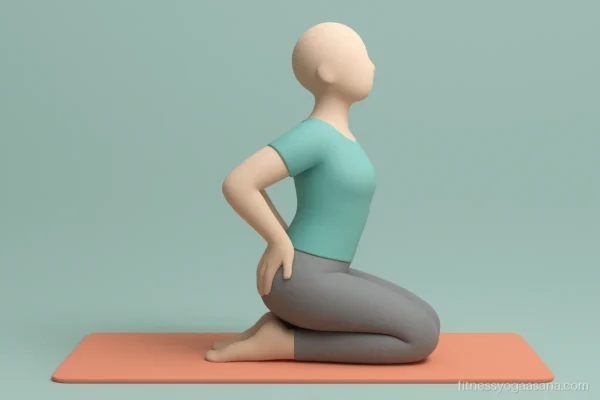 Ustrasana (camel)Camel pose: a kneeling back bend that opens chest and hips
 Dhanurasana (bow)Bow pose: a belly down back bend holding the ankles
 Advanced yoga posesArm balances, inversions and deep bends, with prep poses
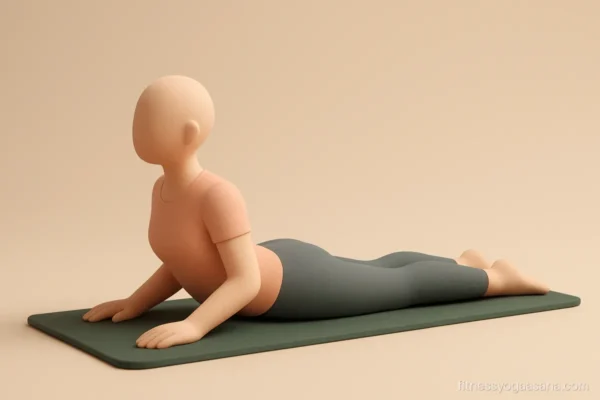 Bhujangasana (cobra)Cobra pose: a gentle back bend lying on the belly
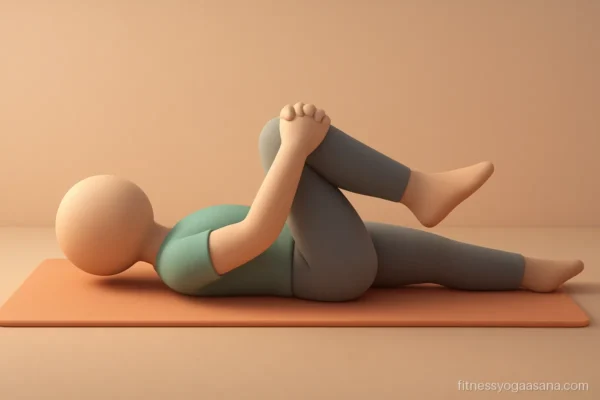 Pawanmuktasana (wind relieving)Knees hugged to the chest to ease gas and the lower back
More in yoga poses
 Yoga asanas namesSanskrit and English names of common yoga poses, with pictures
 Standing yoga posesThe main standing asanas with names, pictures and a sequence
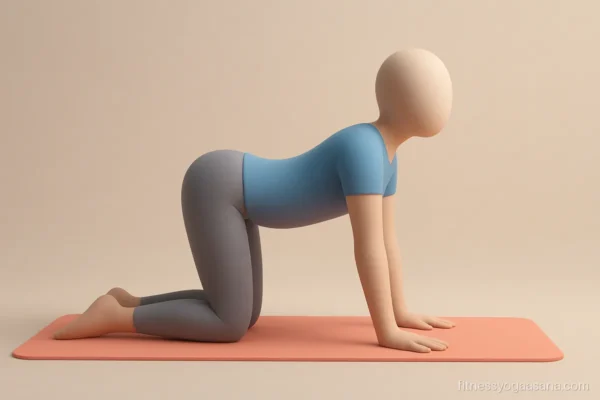 Cat cow poseA flowing spine warm up on hands and knees, linked to the breath
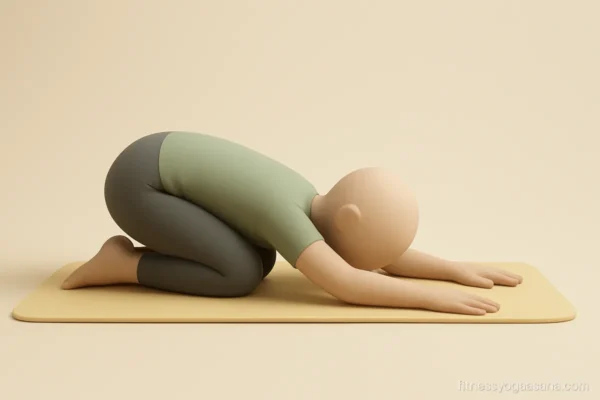 Balasana (child)Child pose: a kneeling forward rest for the back and mind
 Sitting yoga posesSeated asanas for breathing, flexibility and calm, with names
 Butterfly poseSoles together, knees wide: a seated hip opener
 Tadasana (mountain)Mountain pose: the standing base for every other asana
 Vrikshasana (tree)Tree pose: a one leg balance for focus and steadiness