Chakras in Yoga: A Clear Guide to the Seven Centres
Yoga basics 3 illustrations Updated 2 Nov 2026
Chakras in yoga are a traditional map of seven centres placed along the spine, from its base up to the top of the skull. Chakra means wheel, and each centre is pictured as a spinning wheel or a lotus with a set number of petals. The scheme grew out of medieval tantra and hatha manuals, which used it as a guide for meditation, breath work and concentration.
This page lists the seven chakras with their position, element and theme, suggests poses and practices linked with each in modern chakra yoga classes, and explains clearly what chakras are and are not. They are a symbolic, experiential map for focusing attention, not organs that show up on a scan.
- Meaning
- Chakra: wheel
- Number
- Seven main centres along the spine
- From
- Tantric and hatha yoga texts
- First
- Muladhara, root, base of spine
- Last
- Sahasrara, crown of the head
- Best seen as
- A map for focus and meditation
The seven chakras in yoga at a glance
| Chakra | Position | Element | Theme |
|---|---|---|---|
| Muladhara | Tailbone area | Earth | Stability, safety |
| Svadhisthana | Lower belly | Water | Creativity, feeling |
| Manipura | Navel | Fire | Will, digestion of experience |
| Anahata | Centre of the chest | Air | Love, compassion |
| Vishuddha | Throat | Space | Expression, truth |
| Ajna | Between the eyebrows | Mind | Insight, focus |
| Sahasrara | Crown of the head | Beyond elements | Unity, awareness |
Chakras in yoga in pictures
- Level
- All levels
- Hold
- 10 minutes
- Works on
- Body awareness
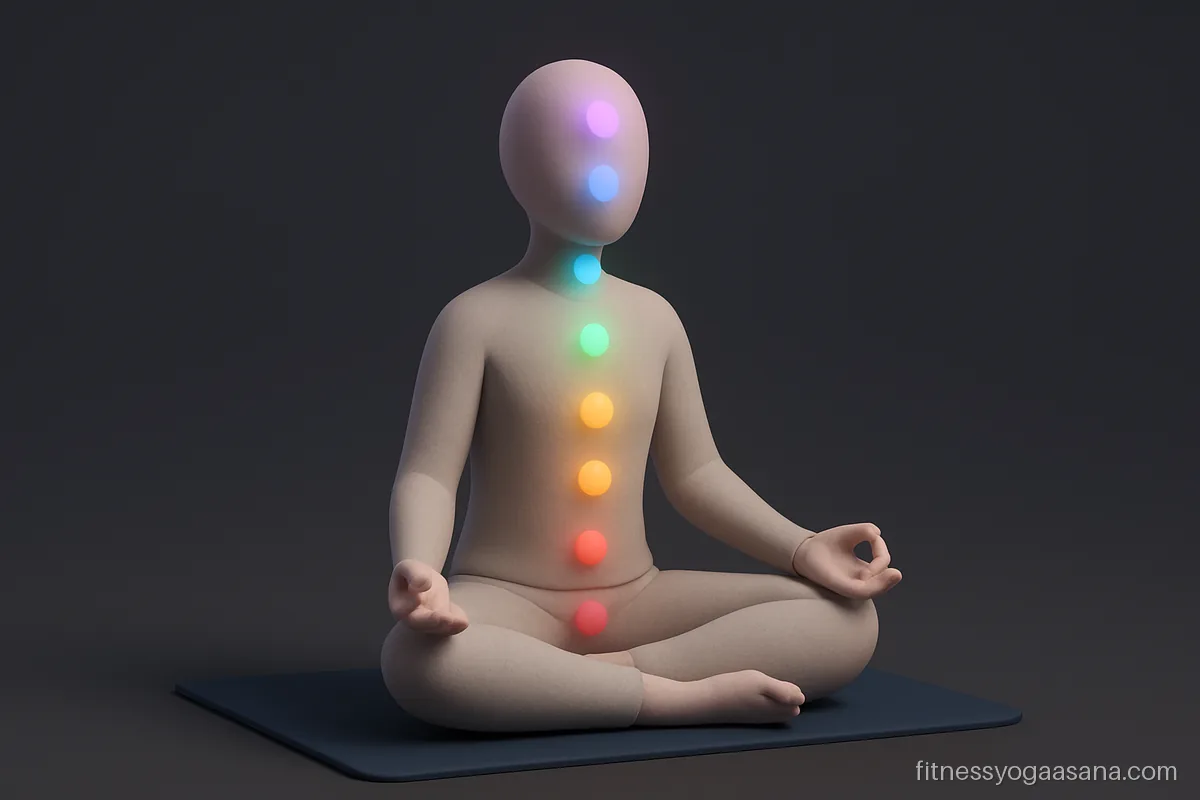
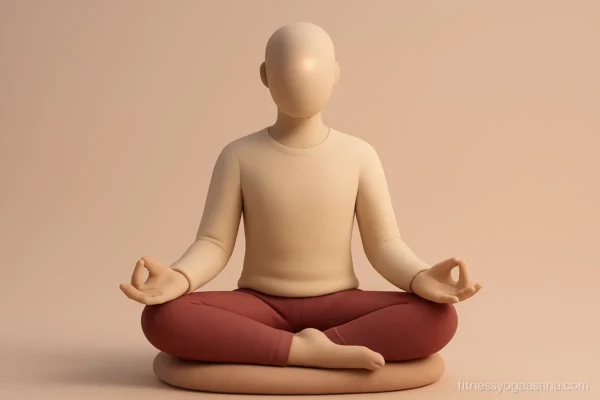
The seven centres are usually drawn from the tailbone up to the top of the head, each with its own colour in modern charts.
Teacher's cue: Move attention slowly upward, pausing at each point.
- Level
- Beginner
- Hold
- 1 minute
- Works on
- Grounding
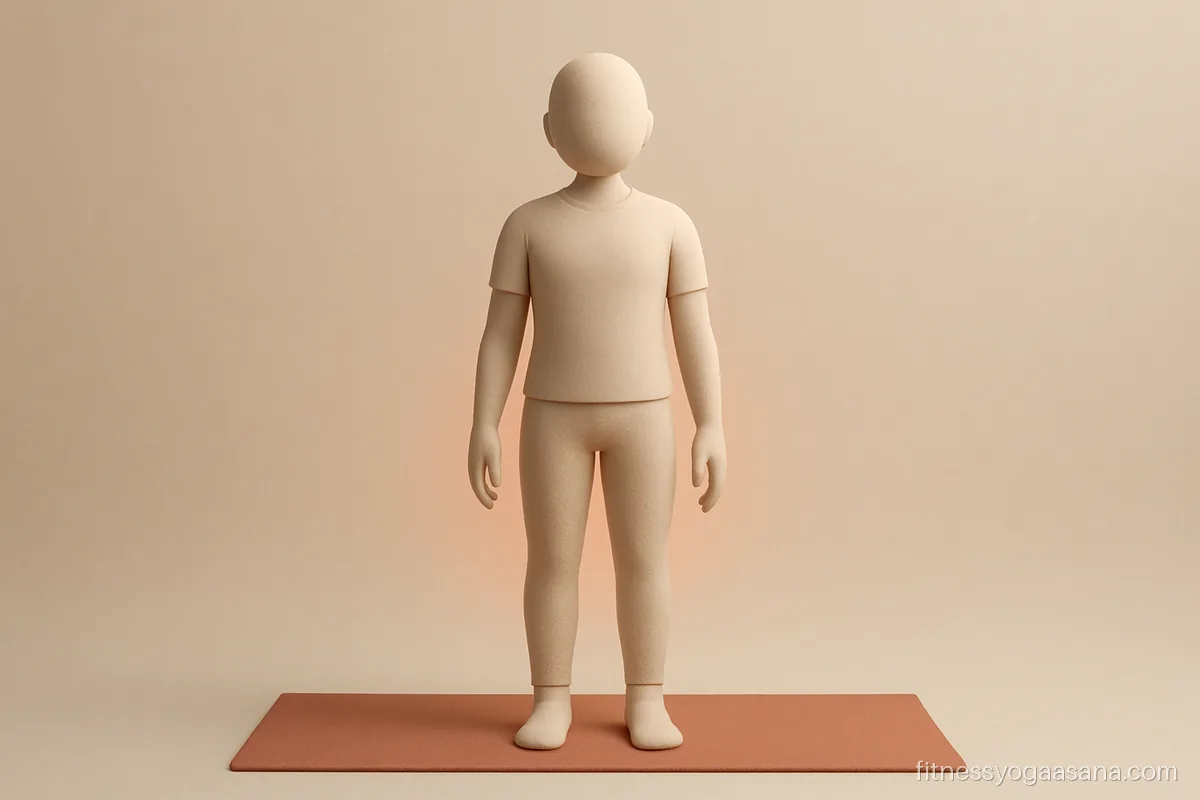
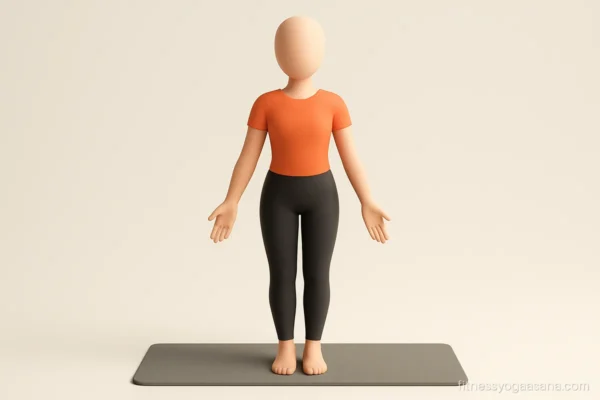
Standing poses like mountain pose are commonly linked with muladhara, the root centre, and a feeling of stability.
Teacher's cue: Feel all four corners of each foot pressing down.
- Level
- Intermediate
- Hold
- 3 to 5 breaths
- Works on
- Chest opening
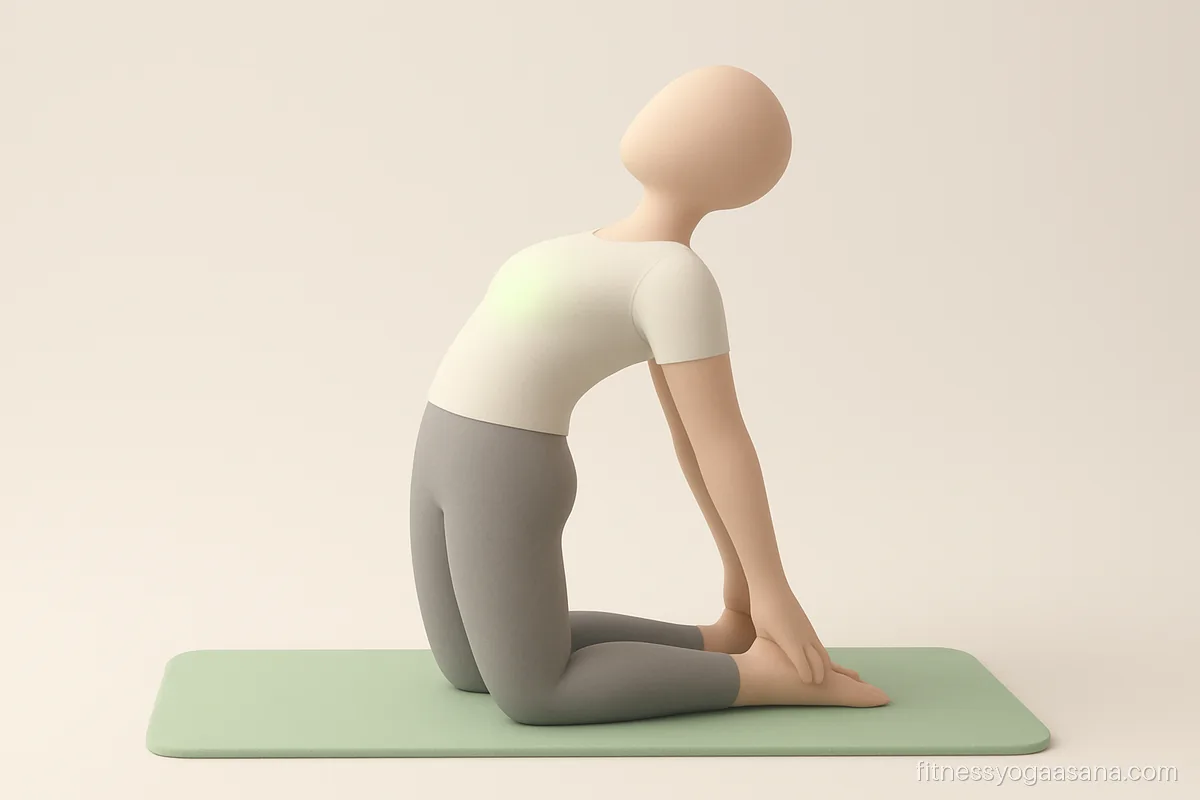
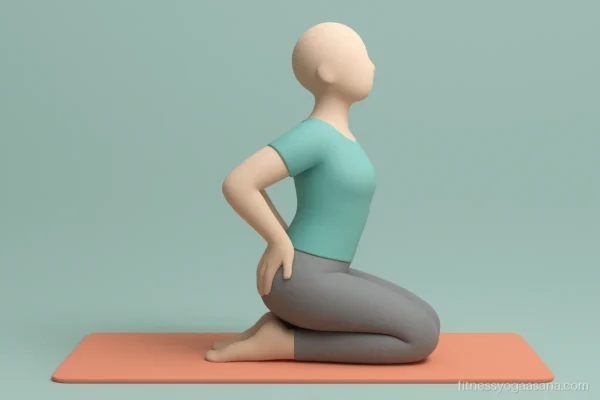
Chest opening back bends such as camel pose are linked with anahata, the heart centre.
Teacher's cue: Lift the chest first, then reach back.
Where chakras come from
The idea of subtle centres appears in several tantric texts and was developed in hatha yoga works, which describe the nadis, channels of prana, meeting at points along a central channel. Different texts list different numbers of centres; the seven chakra model became standard mainly through a sixteenth century text and later modern writers. The rainbow colours used in many charts are a modern addition. Knowing this history helps you treat chakras as a tradition with variety rather than fixed facts.
Chakra yoga: poses linked with each centre
- Muladhara: mountain pose, garland squat, standing balances.
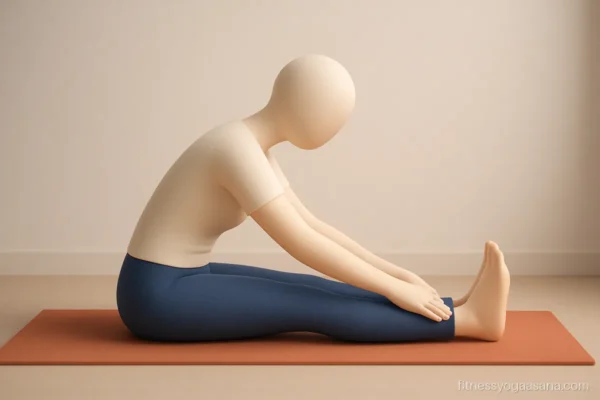
- Svadhisthana: hip openers such as butterfly.
- Manipura: core work like boat pose and twists.
- Anahata: chest openers like camel and cobra.
- Vishuddha: fish pose and shoulder stand, gently.
- Ajna: eyebrow centre focus and humming breath.
- Sahasrara: quiet seated meditation.
These links are traditional associations used in modern classes, not anatomical effects.
A simple chakra meditation
Sit comfortably with eyes closed. Rest attention near the tailbone for three slow breaths. Move up to the lower belly, the navel, the chest, the throat, the brow and the crown, three breaths at each. Then rest attention on the whole spine as one line for a minute. This is a calm body scan along the spine, and many people find it focusing whether or not they hold any belief about energy.
What chakras are not
Chakras do not correspond to physical organs, and no study has shown that they can be blocked, measured or balanced in a way that affects health. Some websites link each chakra with glands or diseases; treat those claims with caution. If you have a health problem, see a doctor and use chakra practices only as meditation. Paid chakra readings or devices that claim to detect imbalance are not based on evidence.
Chakras and kundalini
In kundalini traditions, a dormant energy is imagined resting in muladhara and said to rise through the chakras toward sahasrara. These practices can be intense and are best learned slowly from an experienced teacher. Read more on kundalini yoga and yoga meditation.
Practise on an empty stomach, move slowly into each position and stop at any sharp pain. If you have an injury, a health condition or are pregnant, check with a doctor or an experienced teacher first.
Questions people ask
What are chakras in yoga?
A traditional map of seven centres along the spine, used as points of focus in meditation and breath work.
What are the 7 chakras?
Muladhara, svadhisthana, manipura, anahata, vishuddha, ajna and sahasrara.
What is the muladhara chakra?
The root centre near the tailbone, linked with earth and stability.
Can yoga balance the chakras?
Yoga can be practised with chakras as a focus. There is no scientific way to measure chakra balance.
Are chakras real?
They are a symbolic map from tradition, not physical organs. Many people find them useful for meditation.
Practise next
 Kundalini yogaBreath, movement, sound and meditation aimed at inner energy
 Yoga meditationHow yoga and meditation fit together, with a starter practice
 Shambhavi mudraAn eye gesture: the gaze lifts toward the space between the brows
 Hatha yogaThe classic body and breath branch of yoga, explained simply
 Tadasana (mountain)Mountain pose: the standing base for every other asana
 Ustrasana (camel)Camel pose: a kneeling back bend that opens chest and hips
More in yoga basics
 What is yogaThe meaning of yoga, its definition and the parts of a practice
 International yoga dayWhy yoga day is on 21 June, how it started and how to join in
 Yoga for beginnersTen easy poses, basic rules and a two week plan for new students
 Benefits of yogaWhat regular yoga practice may do for body and mind, and how soon
 8 limbs of yogaPatanjali's eightfold path from ethics to deep meditation
 Cleaning a yoga matQuick wipe, deep clean and drying tips for every mat type
 Yoga nidraYogic sleep: a guided lying down practice for deep rest
 Father of yogaWhy Patanjali is called the father of yoga, and other answers