Mandukasana: Two Frog Poses Explained
Yoga poses 4 illustrations Updated 2 Nov 2026
Mandukasana is the frog pose, from manduka meaning frog. Confusingly, two quite different shapes share the name. In many Indian yoga programmes, mandukasana is a kneeling forward bend: you sit in vajrasana, place two fists against the navel, and fold forward over them. In many modern studios, frog pose means a wide knee hip opener on hands or forearms, with the knees spread far apart and the shins parallel.
This page explains both versions step by step, what each one stretches or presses, the claims often made about mandukasana for diabetes and digestion, and who should avoid the pressure on the belly or the deep hip stretch.
- Sanskrit
- Mandukasana (manduka: frog)
- English
- Frog pose
- Version 1
- Kneeling fold with fists at the navel
- Version 2
- Wide knee hip opener
- Hold
- 3 to 5 breaths, or 1 to 2 minutes
- Skip if
- Pregnancy, hernia, recent belly surgery
How to do mandukasana (kneeling version)
- Kneel and sit back in vajrasana.
- Make two fists with the thumbs tucked inside.
- Place the fists against the belly on either side of the navel, knuckles facing each other.
- Inhale and sit tall.
- Exhale and fold forward over the fists, keeping the gaze slightly ahead.
- Stay for a few breaths, then rise as you breathe in.
- Repeat two or three times.
Mandukasana (frog) in pictures
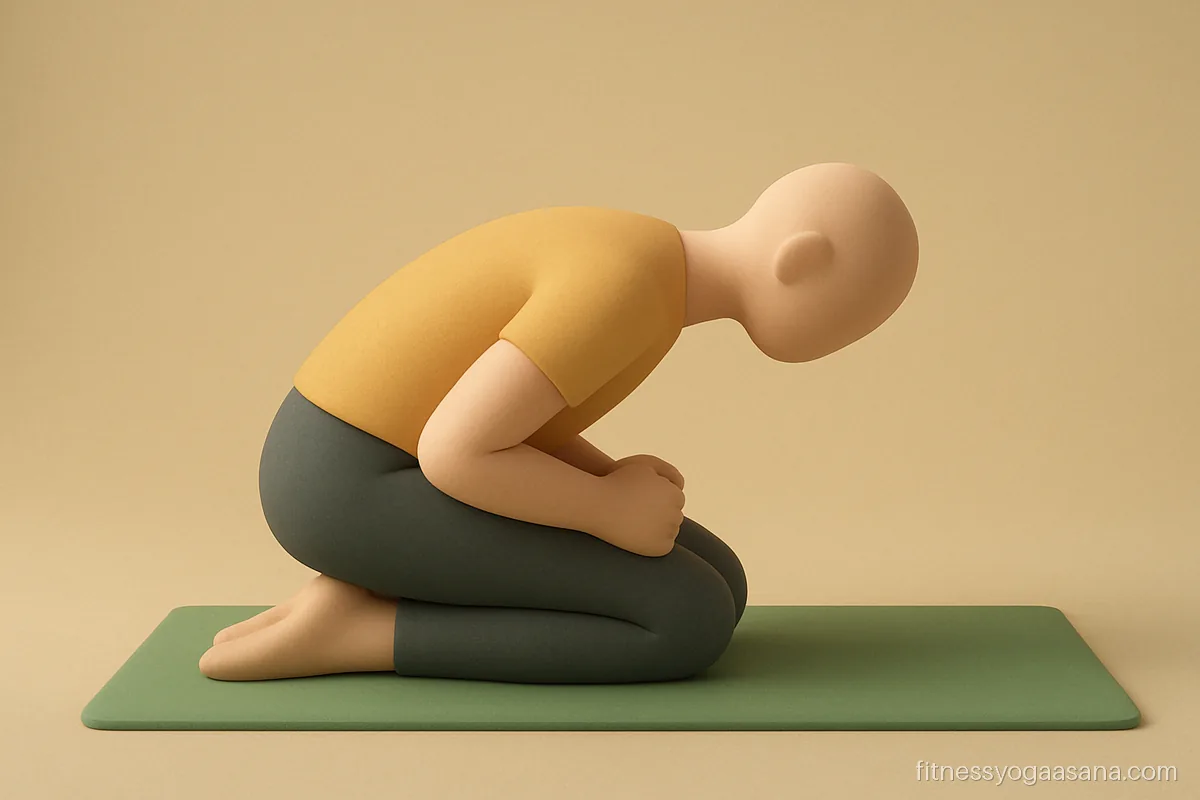
- Level
- Beginner
- Hold
- 3 to 5 breaths
- Works on
- Abdomen
The classic version: fists at the navel, fold forward on the exhale, head lifted slightly.
Teacher's cue: Bend forward until the belly says enough.
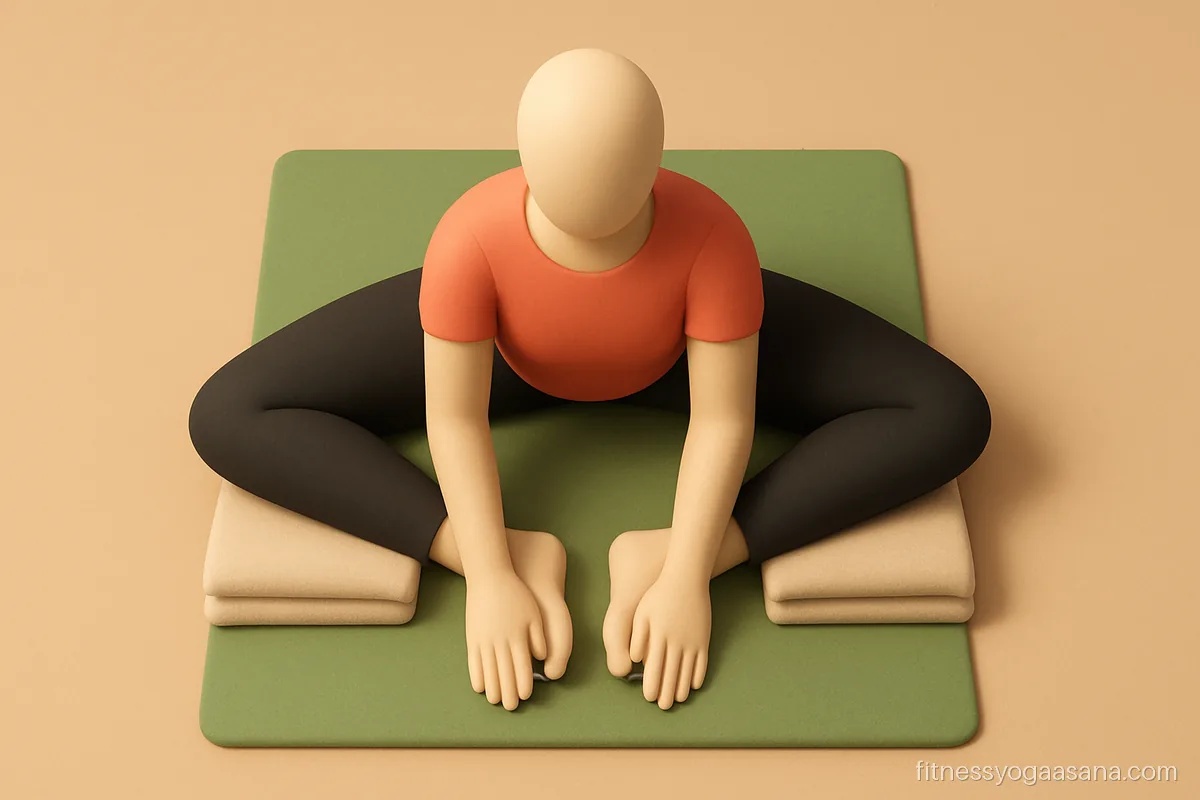
- Level
- Intermediate
- Hold
- 1 to 2 minutes
- Works on
- Inner thighs, hips
The studio version stretches the inner thighs. Pad the knees with a folded blanket.
Teacher's cue: Keep the ankles in line with the knees.
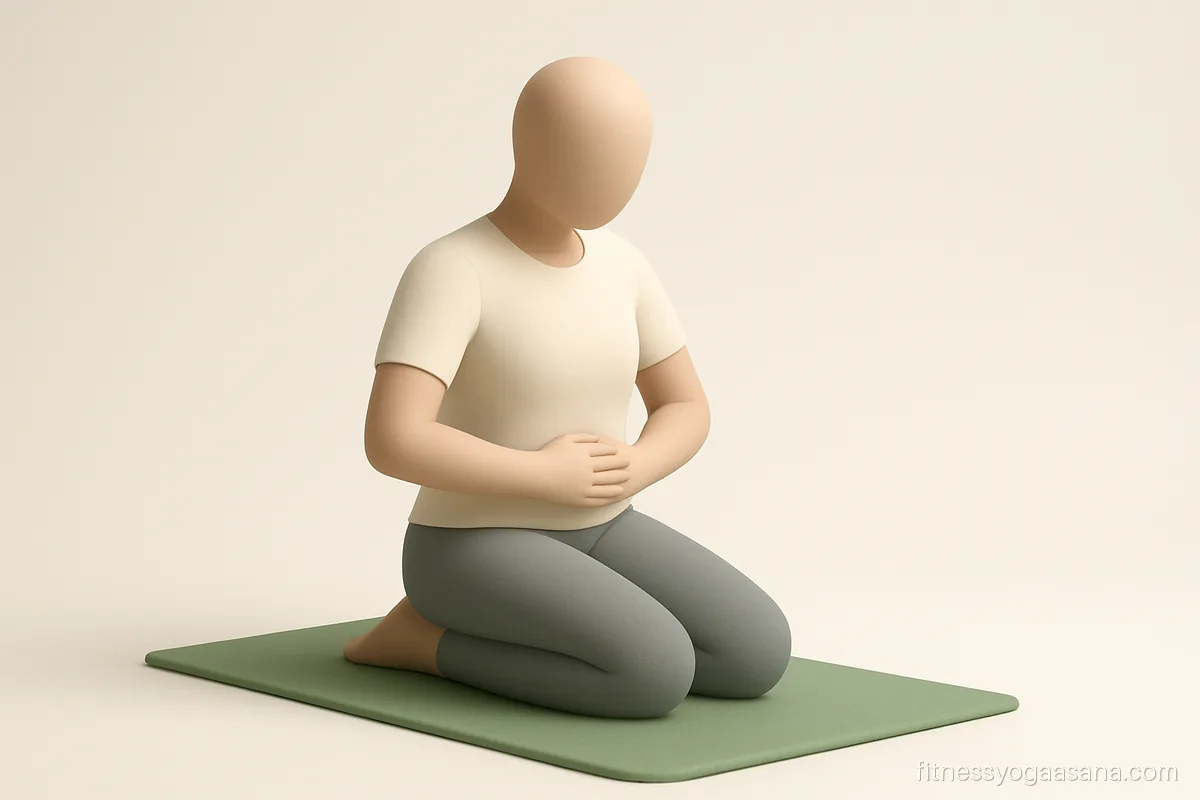
- Level
- Beginner
- Hold
- 3 breaths
- Works on
- Gentle pressure
A gentler variation uses stacked palms instead of fists, spreading the pressure.
Teacher's cue: Breathe out fully before folding forward.
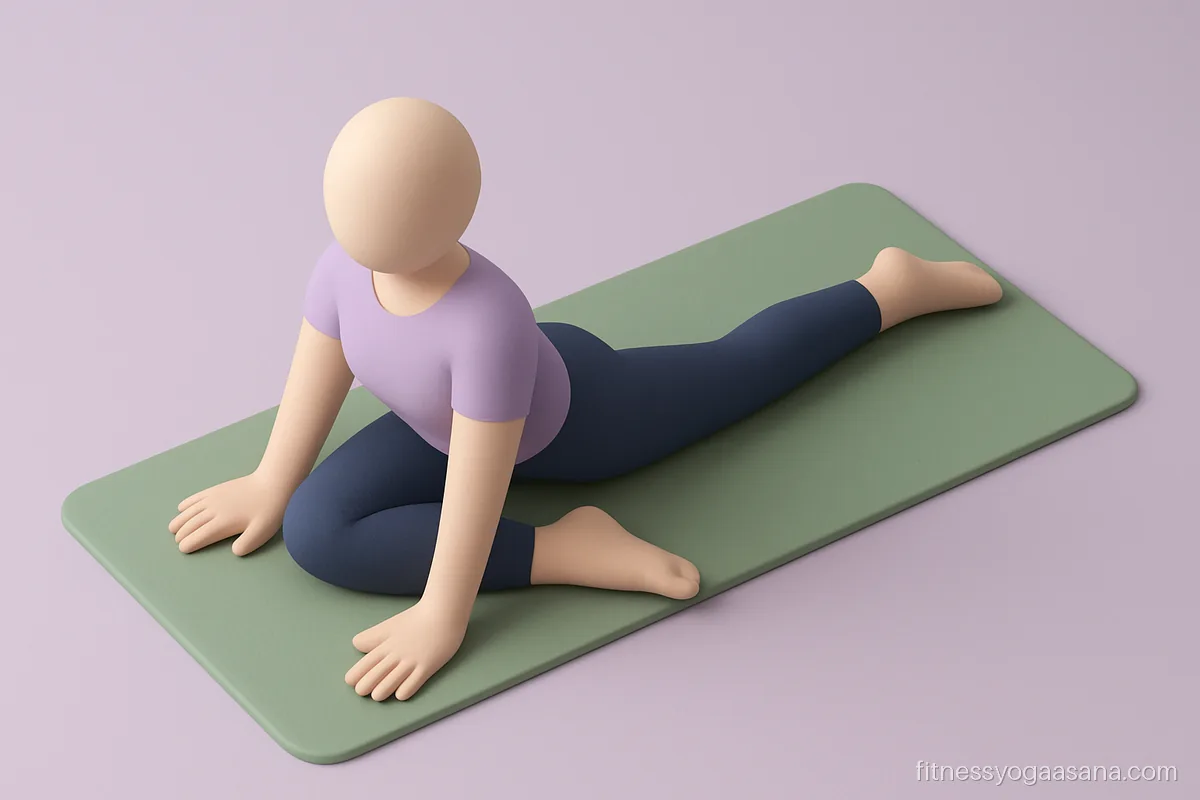
- Level
- Beginner
- Hold
- 1 minute a side
- Works on
- Inner thigh
Half frog works one hip at a time and is easier to control for beginners.
Teacher's cue: Rock the hips back slowly for more stretch.
How to do the wide knee frog
- Start on hands and knees with padding under the knees.
- Slide the knees apart as far as comfortable.
- Turn the feet out so the shins are parallel and the ankles line up with the knees.
- Lower to the forearms.
- Rock the hips gently back toward the line of the knees.
- Hold one to two minutes, breathing slowly.
- To exit, walk the knees in and rest in child pose.
Mandukasana for diabetes and digestion: the claims
The kneeling version is often promoted for diabetes, on the idea that pressure on the belly stimulates the pancreas. There is no evidence that this pose changes insulin or blood sugar on its own. Regular movement of any kind helps blood sugar control, which is covered on yoga for diabetes. Some people find the gentle belly pressure eases a feeling of gas, similar to pawanmuktasana.
Mandukasana benefits
- Kneeling version: stretches the ankles, tops of the feet and the back, and gently compresses the abdomen.
- Wide knee version: opens the inner thigh muscles and the hip joints.
- Both encourage slow, controlled breathing and patience.
Because the kneeling fold presses on the belly, many teachers place it in a short sequence for digestion with knee to chest pose and gentle twists. The wide knee frog fits late in practice when the hips are warm, and runners or cyclists often appreciate the inner thigh release.
Who should skip it
Leave out the kneeling fold if you are pregnant, have a hernia, have had belly surgery lately, with stomach ulcers or acid reflux flaring, and soon after a meal. Avoid the wide knee frog with groin injury, knee pain or hip replacement unless your surgeon agrees. Anyone with diabetes should continue treatment as their doctor advises.
Names you might see
Mandukasana yoga and frog pose yoga may refer to either version, and bhekasana is a third frog pose that bends one knee while lying on the belly. Check the picture in a class plan to know which is meant.
Practise on an empty stomach, move slowly into each position and stop at any sharp pain. If you have an injury, a health condition or are pregnant, check with a doctor or an experienced teacher first.
Questions people ask
What is mandukasana in English?
Frog pose.
Is mandukasana good for diabetes?
It gets promoted for diabetes, yet no trial shows it lowers glucose by itself.
Why are there two frog poses?
Indian programmes usually teach the kneeling fist fold, while many studios teach the wide knee hip opener under the same name.
How long should I hold frog pose?
Three to five breaths for the kneeling version, one to two minutes for the wide knee version.
When should I do mandukasana?
With an empty stomach, so leave a long gap after eating.
Practise next
 Vajrasana (thunderbolt)Kneeling on the heels: the seat traditionally used after meals
 Yoga for diabetesPoses, a weekly plan and safety rules for people with diabetes
 Pawanmuktasana (wind relieving)Knees hugged to the chest to ease gas and the lower back
 Balasana (child)Child pose: a kneeling forward rest for the back and mind
 Butterfly poseSoles together, knees wide: a seated hip opener
 Malasana (garland)Garland pose: a deep squat with palms together at the chest
More in yoga poses
 Yoga asanas namesSanskrit and English names of common yoga poses, with pictures
 Bhujangasana (cobra)Cobra pose: a gentle back bend lying on the belly
 Standing yoga posesThe main standing asanas with names, pictures and a sequence
 Cat cow poseA flowing spine warm up on hands and knees, linked to the breath
 Sitting yoga posesSeated asanas for breathing, flexibility and calm, with names
 Tadasana (mountain)Mountain pose: the standing base for every other asana
 Vrikshasana (tree)Tree pose: a one leg balance for focus and steadiness
 Advanced yoga posesArm balances, inversions and deep bends, with prep poses