Shunya Mudra: The Gesture of Space
Mudras 3 illustrations Updated 2 Nov 2026
Shunya mudra bends only the middle finger, tucking its tip into the soft mound below the thumb, with the thumb laid gently on top. The word shunya suggests emptiness, and in the elemental reading of the hand the middle finger belongs to akasha, space. Pinning it under the thumb supposedly calms an overload of that element.
Tradition links this gesture most often with the ears: ringing, a blocked feeling or travel discomfort. Below: the hand position, a short routine, the claims made for shunya mudra benefits, and when to see an ear specialist instead.
- Element
- Space, akasha
- Middle finger
- Folded into the thumb root
- Thumb
- Resting across the middle finger
- Hold
- 10 to 15 minutes, as needed
- Traditional link
- Ear comfort, light headedness
- Opposite gesture
- Akash mudra, tip to tip
How to do shunya mudra
- Find an upright seat, cushion or chair.
- Open the hands on the thighs with the palms facing up.
- Fold each middle finger toward the palm until its tip reaches the soft pad at the base of the thumb.
- Lay the thumb over the folded middle finger with gentle weight.
- Keep the index, ring and little fingers extended.
- Keep quiet nasal breathing going for ten to fifteen minutes.
Shunya mudra in pictures
- Level
- All levels
- Hold
- 10 to 15 minutes
- Works on
- Space element
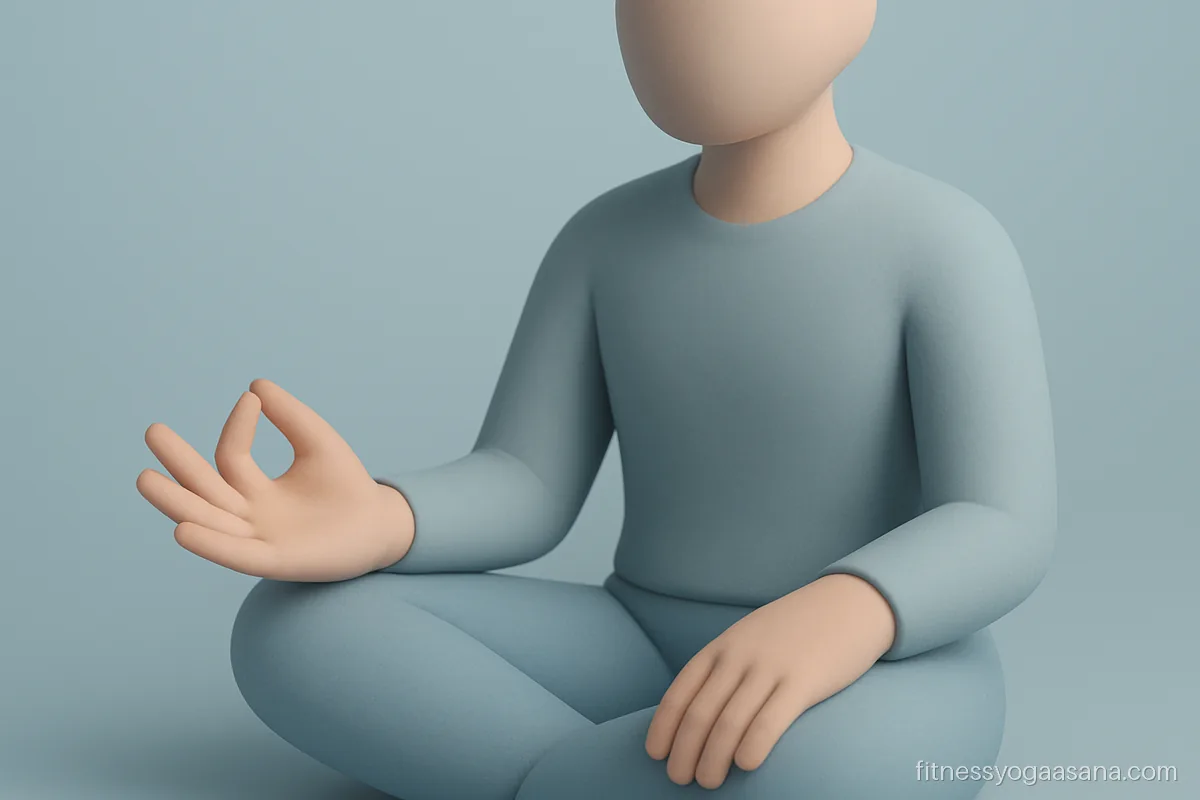
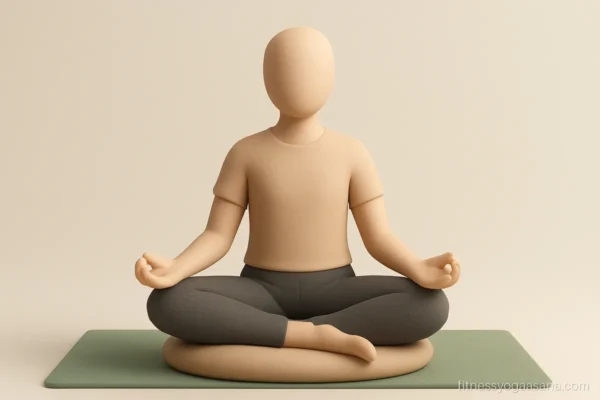
Only the middle finger folds down. The thumb lies over that bent finger as the others extend.
Teacher's cue: Use the thumb's own weight; there is no need to clamp.

- Level
- All levels
- Hold
- 5 to 10 minutes
- Works on
- Travel comfort
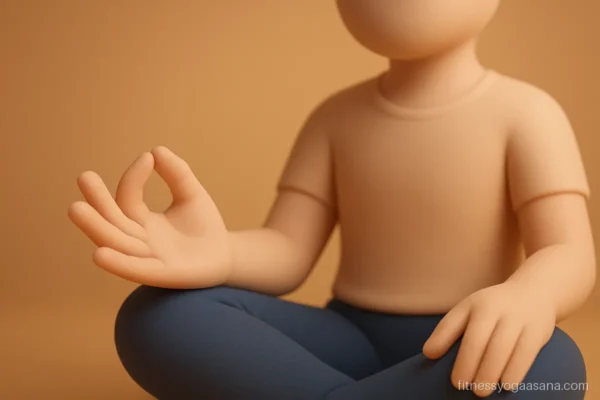
Some people use shunya mudra while travelling, when the ears feel full or the head feels light.
Teacher's cue: While holding it, swallow now and then and keep the breath unhurried.
- Level
- All levels
- Hold
- 10 minutes
- Works on
- Quiet listening
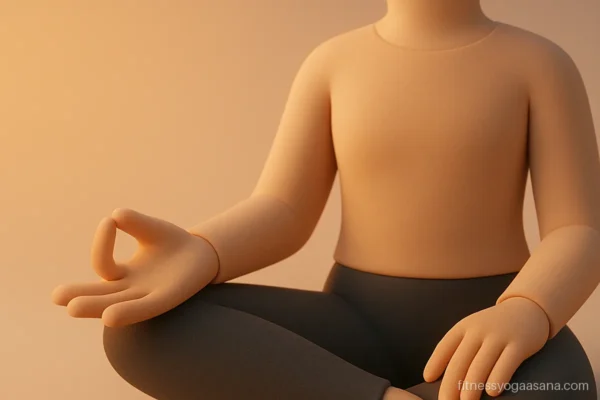
A quiet room and slow breathing make the most of a short sitting with this gesture.
Teacher's cue: Notice the quietest sound you can hear, then let it go.
Shunya mudra and akash mudra
Two gestures use the middle finger. Shunya presses the middle finger down beneath the thumb, which is meant to lessen space. In akash mudra, the middle fingertip simply touches the thumb tip, said to increase space. Tradition recommends shunya when the space element is thought to be in excess, for example a feeling of emptiness in the head or ears, and akash when it is lacking. Mixing them in one session is discouraged.
Shunya mudra benefits in tradition
Mudra books list shunya mudra benefits for ear complaints such as ringing (tinnitus), ear ache and blocked ears during flights, and for dizziness and travel sickness. Some also mention numbness and a hollow feeling in the head. These are traditional uses with no scientific testing. Ear pain, discharge, hearing loss and persistent ringing need an ear specialist; the mudra is at most a calming habit while you get proper care.
When to use it and for how long
Classical advice ties this seal to the symptom: use it while the ear or head trouble is present, a quarter hour at most, then stop. There is no harm in practising it simply as a calm sitting gesture. If you notice the hand tiring, alternate hands or release and shake them out.
Pairing with breath and sound
Many people combine shunya mudra with slow, quiet nasal breathing. Gentle humming, as in bhramari, is also popular for a full or blocked feeling in the ears, but avoid closing the ears if there is an infection. The air element gesture, vayu mudra, uses the index finger in the same folded way; compare the two on the yoga mudra guide.
Ear warning signs
See a doctor or ENT specialist for sudden hearing loss, ear pain with fever, discharge from the ear, dizziness with vomiting, or ringing in one ear only. These can signal problems that need prompt treatment. For dizziness more generally, the notes on yoga for migraine and vertigo may help.
Mudras are a traditional practice and research on them is limited. Use them alongside, never instead of, the care your doctor advises.
Questions people ask
What is shunya mudra?
A hand gesture where the middle finger folds into the base of the thumb and the thumb rests on it, linked with the space element.
Is shunya mudra good for ear problems?
Tradition recommends it for ear discomfort, but there is no evidence. See an ear specialist for real ear problems.
How long should I hold shunya mudra?
Ten to fifteen minutes, and traditionally only while the complaint is present.
What is the difference between shunya and akash mudra?
Shunya folds the middle finger under the thumb; akash joins the middle fingertip to the thumb tip.
Can I practise shunya mudra on a flight?
Yes, it is easy to hold while seated. Swallowing and yawning are also helpful for blocked ears during descent.
Practise next
 Vayu mudraIndex finger folded under the thumb, for the air element
 Yoga mudraWhat mudras are, the main hand mudras and how to practise them
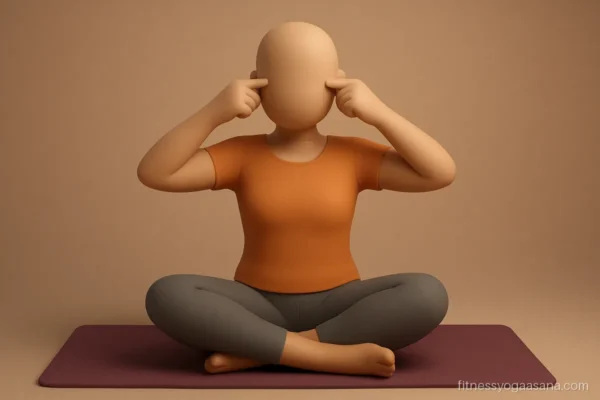 Bhramari pranayamaThe humming bee breath: steps, benefits and how many rounds
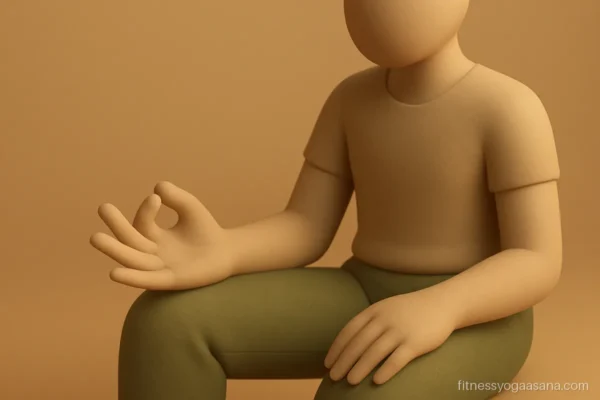 Prithvi mudraRing fingertip to thumb tip, a steadying earth gesture
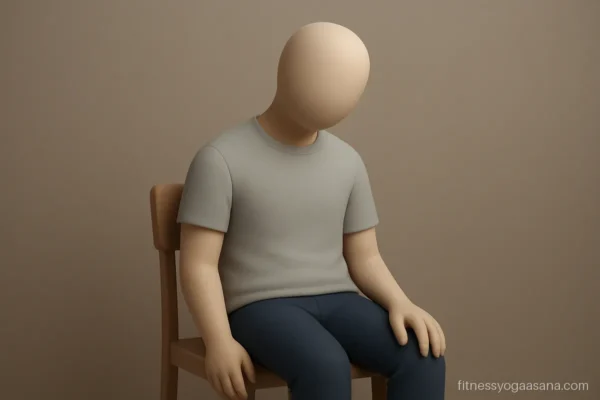 Yoga for migraineGentle poses and breathing between migraine attacks
More in mudras
 Prana mudraRing and little fingertips meet the thumb, said to lift energy
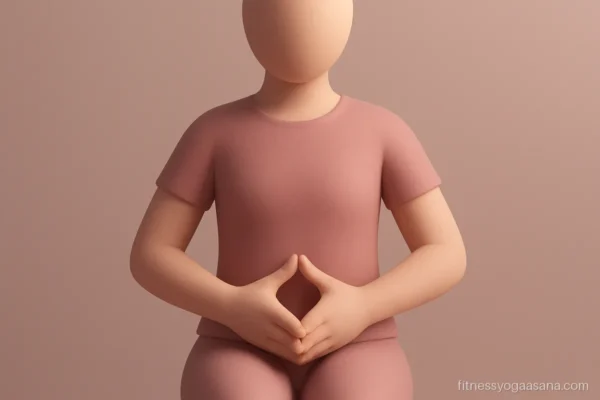 Yoni mudraThe interlaced hand gesture and the senses closing form
 Ashwini mudraA rhythmic pelvic squeeze and release from hatha yoga
 Gyan mudraIndex tip to thumb tip, palm up: the classic meditation seal
 Surya mudraRing finger folded under the thumb, linked with warmth
 Linga mudraInterlaced fingers, one thumb upright: a warming two hand seal
 Khechari mudraTongue rolled back to the palate: the safe basic form only
 Apana mudraMiddle and ring fingertips to the thumb, linked with release